
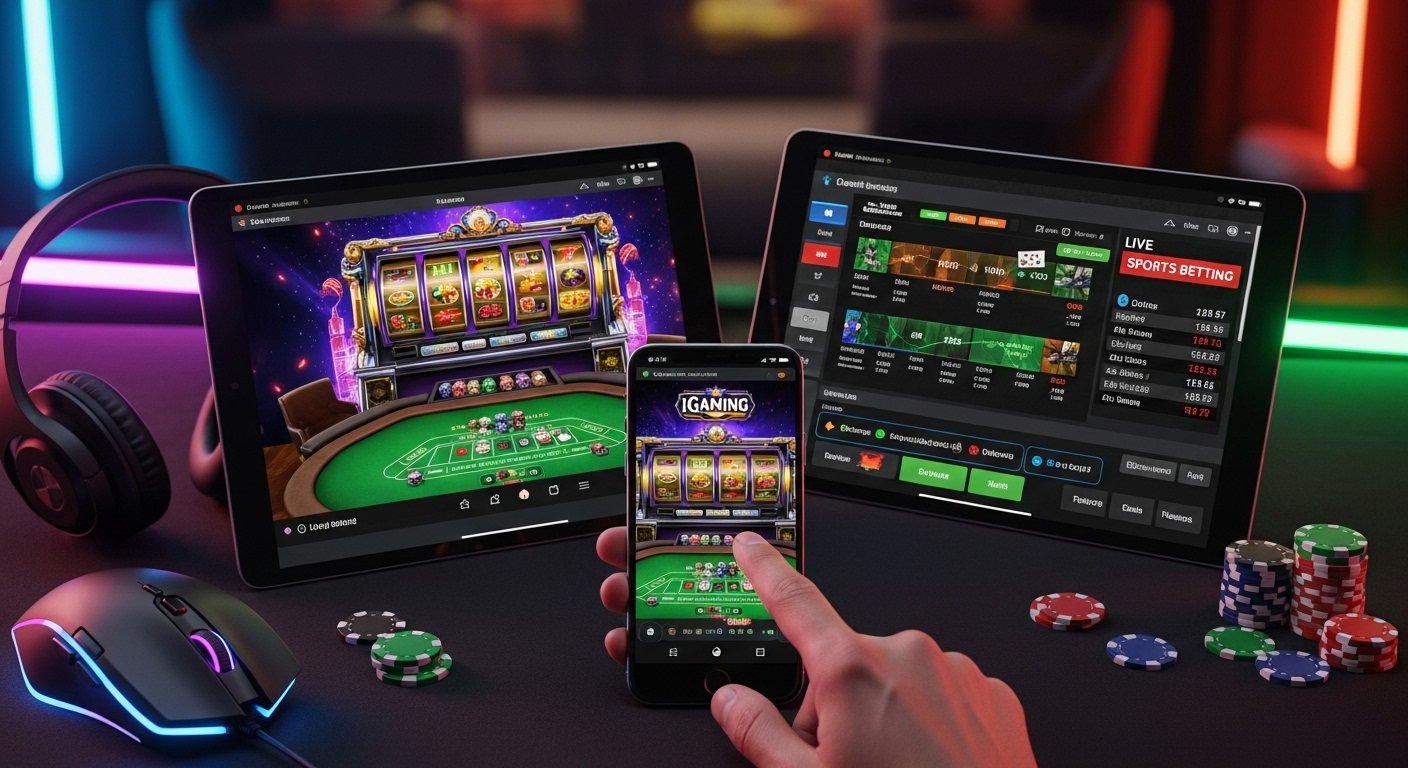
In recent years, the world of entertainment has undergone a profound transformation. Among the most notable shifts is the rapid rise of iGaming, a term that encompasses a wide range of online gaming experiences, from casino games to virtual sports and eSports betting. iGaming is no longer a niche market but has become a global phenomenon, attracting millions of players and billions of dollars in revenue. As technology continues to evolve, the future of iGaming looks even more promising, with innovations such as virtual reality, mobile gaming, and blockchain reshaping the way players interact with digital platforms. In this blog post, we will explore the rise of iGaming, its impact on the entertainment industry, the regulatory landscape, and the trends shaping the future of this dynamic sector.
What is iGaming?
iGaming refers to the act of playing or betting on games over the internet, typically for real money or virtual currency. The term encompasses a broad spectrum of online gaming activities, including online casinos, sports betting, poker, bingo, and daily fantasy sports. Unlike traditional land-based casinos or physical betting shops, iGaming platforms operate entirely online, offering players the convenience of accessing their favorite games from anywhere in the world with an internet connection.
The roots of iGaming can be traced back to the early 1990s when the internet became widely accessible. The first online casino was launched in 1994, and shortly after, other gaming operators began to recognize the potential of the internet to create virtual gambling experiences. What started as a niche industry has now evolved into a multi-billion-dollar global market, with millions of players engaging in iGaming every day.
The Growth of the iGaming Industry
The iGaming industry has witnessed tremendous growth over the past two decades, driven by several factors, including technological advancements, changing consumer preferences, and the increasing acceptance of online gambling. According to various industry reports, the global iGaming market is projected to reach over $90 billion by 2025, with online casinos and sports betting leading the charge.
Technological Advancements
One of the key factors behind the explosive growth of iGaming is the rapid advancement of technology. In the early days of online gaming, internet speeds were slow, and graphics were rudimentary, leading to a less-than-optimal experience for players. However, with the rise of faster internet connections, better hardware, and more sophisticated software, online gaming has become a much smoother and more engaging experience.
The development of mobile technology has also played a significant role in the growth of iGaming. Today, players can enjoy their favorite games on smartphones, tablets, and other mobile devices, making it easier than ever to access gaming platforms on the go. Mobile gaming has become an integral part of the iGaming industry, accounting for a significant portion of global gaming revenues.
Changing Consumer Preferences
The increasing popularity of iGaming can also be attributed to changing consumer preferences. In the past, traditional casinos and betting shops were the primary venues for gambling. However, with the rise of the internet and mobile technology, players now have the ability to access a wider variety of games and betting options from the comfort of their own homes.
Moreover, younger generations, particularly millennials and Gen Z, are more comfortable with online transactions and digital experiences than older generations. This demographic is more likely to engage in iGaming, especially as the industry continues to offer innovative features like live dealer games, interactive elements, and skill-based gaming options.
The Expansion of Online Sports Betting
Online sports betting has been a significant driver of growth within the iGaming sector. As sports fans increasingly seek ways to engage with their favorite teams and athletes, online sportsbooks have become a popular way to place bets on events ranging from football and basketball to horse racing and esports. In recent years, the legalization of sports betting in several countries, including the United States, has opened up new markets and further fueled the growth of iGaming.
The growing acceptance of sports betting has also led to the development of new types of betting products, such as in-play betting, which allows players to place bets on live events as they unfold. This dynamic and interactive form of betting has become a favorite among sports enthusiasts, offering a more immersive and engaging experience.
The Impact of iGaming on the Entertainment Industry
The rise of iGaming has had a profound impact on the broader entertainment industry, disrupting traditional models of gaming and gambling and introducing new forms of digital interaction. Below are some key ways iGaming has influenced the entertainment world:
The Integration of Gaming and Gambling
One of the most significant changes in the entertainment landscape is the blurring of lines between traditional gaming and gambling. In the past, video games were considered purely entertainment, while gambling was seen as a separate activity. However, the advent of iGaming has created new hybrid forms of entertainment that combine elements of both.
For example, many online casinos now offer skill-based games, such as video poker or blackjack, where players can use their abilities and strategies to influence the outcome. Similarly, online sportsbooks have embraced fantasy sports, which combine elements of traditional sports betting with fantasy league play. These hybrid forms of gaming and gambling have attracted a broader audience, including casual gamers who might not have previously engaged in traditional gambling.
The Rise of Streaming and eSports
Another major development in the iGaming sector is the growing popularity of esports and game streaming. Esports, or competitive video gaming, has grown into a multi-billion-dollar industry, with professional gamers and teams competing for large cash prizes in front of live audiences and online viewers.
Platforms like Twitch and YouTube Gaming have allowed gamers to stream their gameplay to millions of viewers, turning gaming into a spectator sport. These streaming platforms have also become hubs for iGaming-related content, including live poker tournaments, esports betting, and online casino streams.
The fusion of gaming and betting has also led to the emergence of new forms of entertainment, such as betting on esports tournaments or watching professional players compete while placing in-game bets. The combination of gaming, streaming, and iGaming has created a new entertainment ecosystem that attracts both gamers and bettors alike.
Regulatory Challenges and Legal Landscape
While the iGaming industry has grown exponentially, it faces significant regulatory challenges. Online gambling is subject to varying laws and regulations across different regions and countries, making it difficult for operators to navigate the legal landscape. In some regions, online gambling is fully legal and regulated, while in others, it is either restricted or outright banned.
The regulatory framework for iGaming is often complex and fragmented, with each country or state establishing its own rules for licensing, taxation, and consumer protection. For instance, in the United States, the legalization of online gambling and sports betting has been a state-by-state issue, with some states like New Jersey and Pennsylvania fully embracing online gambling, while others have yet to legalize it.
As the global iGaming market continues to expand, the need for standardized regulations and consumer protection measures becomes increasingly important. Governments and regulatory bodies are working to create frameworks that ensure fair play, prevent fraud, and protect players from potential harm, such as problem gambling.
The Future of iGaming
The future of iGaming looks incredibly promising, with several emerging trends shaping the industry’s trajectory. Some of the key developments that will likely define the future of iGaming include:
Virtual and Augmented Reality
Virtual reality (VR) and augmented reality (AR) are poised to revolutionize the iGaming experience. VR technology has the potential to create fully immersive online casinos, where players can interact with a virtual environment and other players in real-time. Similarly, AR can enhance the live gaming experience, allowing players to engage with virtual objects in the real world. These technologies will provide more dynamic and interactive gaming experiences that blur the lines between the physical and digital worlds.
Blockchain and Cryptocurrencies
Blockchain technology and cryptocurrencies are also making their way into the iGaming industry. Many online casinos and betting platforms now accept cryptocurrencies like Bitcoin and Ethereum, offering players faster and more secure payment options. Blockchain technology also has the potential to improve transparency, ensuring that all transactions are recorded on an immutable ledger. As more players seek privacy and security in their online transactions, blockchain and cryptocurrencies could become a standard in the iGaming world.
Responsible Gaming and Player Protection
As the iGaming industry grows, there is an increasing emphasis on responsible gaming and player protection. Operators are adopting measures to ensure that their platforms are safe and fair, offering features such as self-exclusion tools, responsible gaming messages, and age verification processes. In the future, we can expect to see even more sophisticated tools to help players manage their gaming habits and ensure a safer and more responsible gaming environment.
Conclusion
iGaming has undoubtedly revolutionized the entertainment industry, offering players a convenient, immersive, and dynamic experience. From online casinos to esports betting and virtual gaming worlds, the iGaming sector continues to evolve, fueled by technological advancements and changing consumer preferences. While the industry faces regulatory challenges, its rapid growth and potential for innovation make it one of the most exciting sectors in digital entertainment today. As technology continues to advance, the future of iGaming looks brighter than ever, with new opportunities for both players and operators to explore.