Introduction
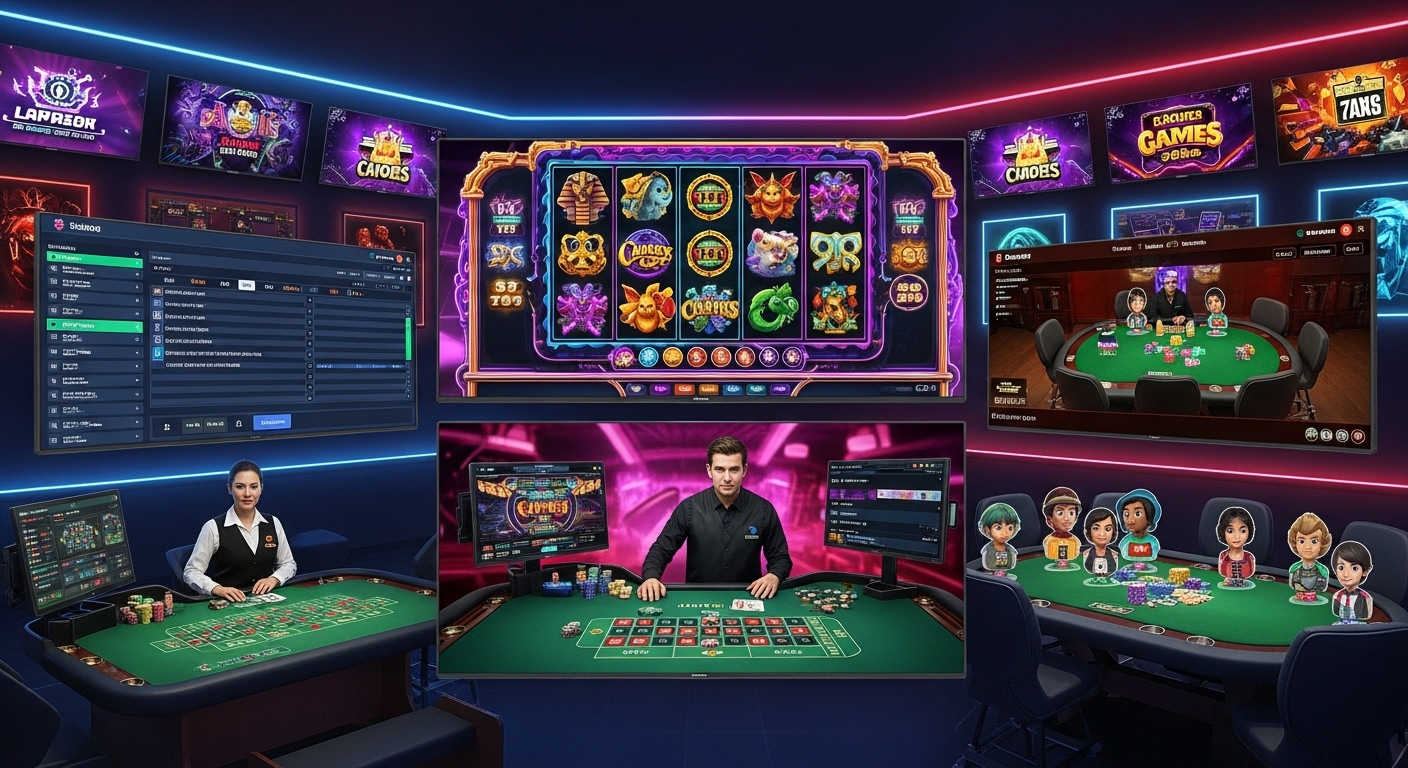
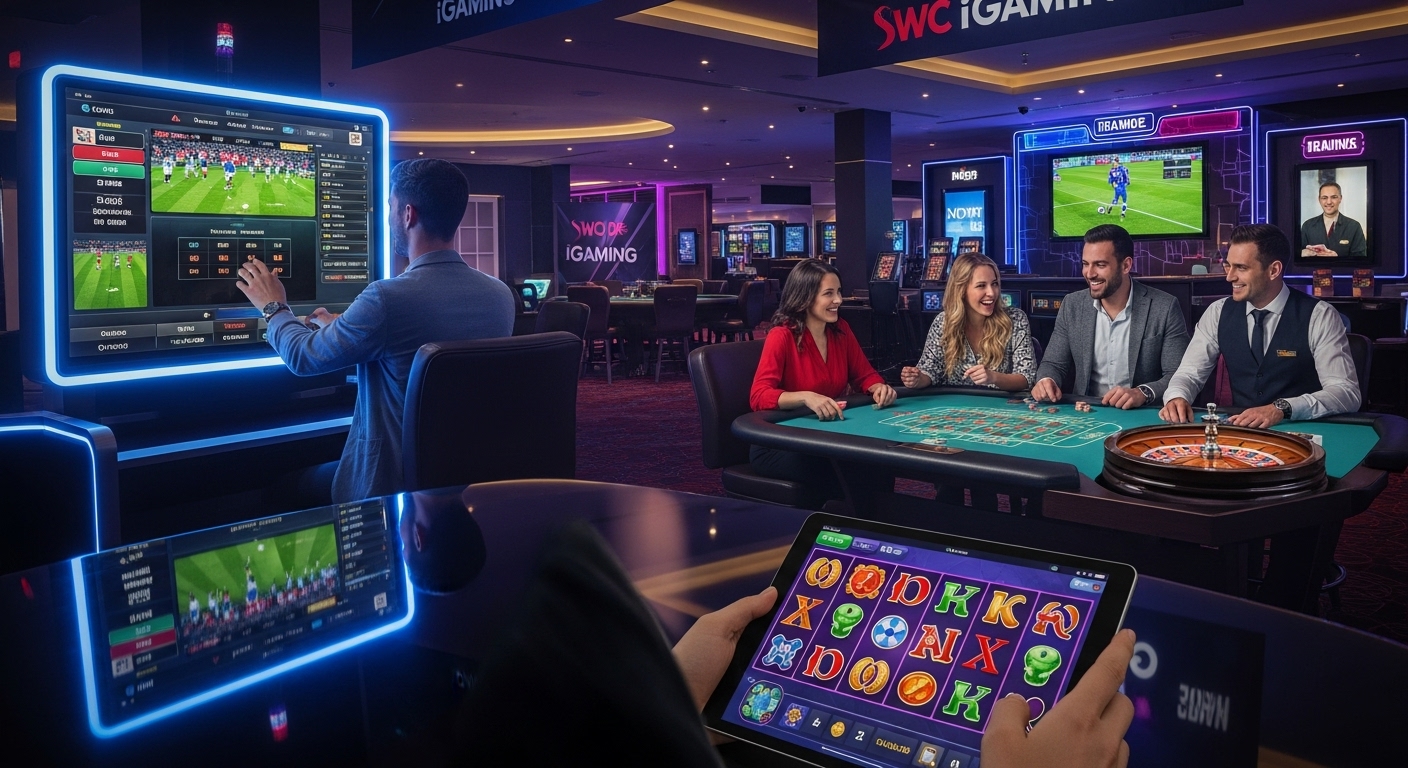
The world of iGaming has undergone a remarkable transformation over the past decade. What was once a niche industry limited to online casinos and betting sites has now become a global digital ecosystem that blends technology, innovation, and entertainment. iGaming today is not just about winning or losing; it’s about immersive experiences, strategic play, community engagement, and cutting-edge technological development. From virtual casinos to live dealer platforms, from mobile gaming apps to esports betting, iGaming has redefined the boundaries of digital leisure.
The Rise of iGaming
The term “iGaming” broadly refers to online gambling and betting activities, including casino games, poker, sports betting, bingo, and esports. The concept took shape in the late 1990s when the internet became accessible to the public. The early versions of online casinos were simple, slow, and offered limited options, but they laid the foundation for an industry that would soon be worth billions of dollars globally.
Over the years, improvements in internet speed, mobile technology, and digital payment systems fueled the growth of iGaming. Players no longer needed to visit physical casinos; instead, they could enjoy games like blackjack, roulette, and slots from the comfort of their homes. This convenience, combined with an ever-expanding range of games, made iGaming one of the fastest-growing entertainment sectors in the world.
The Role of Technology in Shaping iGaming
Technology is the heart of the iGaming revolution. Every major leap in the industry has been driven by innovation—whether through artificial intelligence, virtual reality, blockchain, or cloud computing.
Artificial Intelligence (AI) plays a major role in enhancing player experience. Modern gaming platforms use AI algorithms to personalize game recommendations, detect unusual betting patterns, and promote responsible gaming. This not only improves user satisfaction but also ensures fairness and security.
Virtual Reality (VR) and Augmented Reality (AR) are transforming the way players interact with games. Imagine sitting in your living room while wearing a VR headset and finding yourself inside a luxurious casino surrounded by real players. These immersive experiences are redefining what it means to “play online.”
Blockchain technology has also made its mark on iGaming. By introducing decentralized systems, blockchain ensures transparency and fairness in gaming outcomes. Many platforms now use cryptocurrencies for faster, more secure transactions, offering anonymity and efficiency to players worldwide.
The Expansion of Mobile Gaming
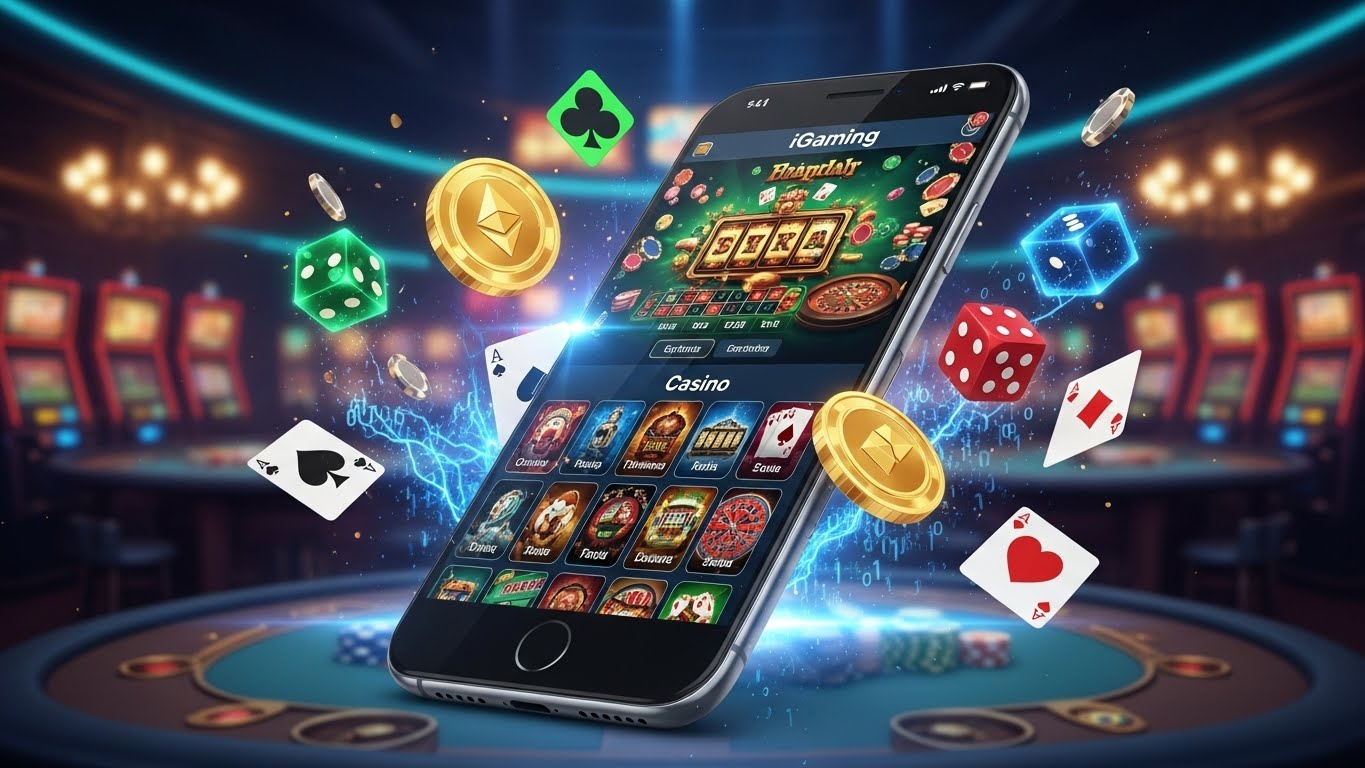
The smartphone revolution completely changed the iGaming landscape. As mobile devices became more powerful and internet access more widespread, gaming platforms optimized their services for smaller screens. Mobile-friendly casino apps and responsive websites now account for a significant portion of the iGaming market.
The convenience of mobile play allows users to engage in games anytime and anywhere. Whether it’s spinning a roulette wheel during a coffee break or placing a quick sports bet on the go, mobile gaming has made iGaming more accessible than ever before. The rise of 5G technology promises to enhance this experience even further with faster connections and smoother gameplay.
Live Dealer Games: Bridging the Gap Between Virtual and Real
One of the most exciting developments in iGaming is the rise of live dealer games. These games blend the authenticity of a real casino with the convenience of online play. Using high-definition video streaming, real human dealers host games such as blackjack, baccarat, and roulette, interacting with players in real time.
This innovation has created a sense of social connection that was missing from traditional online gaming. Players can chat with dealers and other participants, creating a lively atmosphere that closely mirrors the energy of physical casinos. This format has proven especially popular among those seeking the thrill of live play without leaving home.
The Role of Data and Analytics
In the digital world, data is power—and iGaming companies have mastered the art of using data to refine their services. By analyzing player behavior, preferences, and engagement patterns, platforms can deliver highly personalized experiences.
Data analytics help operators understand which games attract the most attention, what rewards motivate players, and how to prevent problem gambling. The result is a smarter, safer, and more enjoyable gaming environment. Machine learning further enhances this process by predicting trends and identifying risks before they become major issues.
iGaming and Esports: A New Frontier
Esports has emerged as a global phenomenon, and its integration with iGaming has opened new opportunities. Esports betting allows fans to place wagers on competitive gaming tournaments, adding an extra layer of excitement to the experience. Titles like League of Legends, Dota 2, and Counter-Strike have become not only competitive arenas but also entertainment spectacles that attract millions of viewers and bettors alike.
The synergy between esports and iGaming represents the merging of two dynamic industries—each driven by technology, community, and passion. This partnership has also contributed to the normalization of gaming as a mainstream form of entertainment rather than a niche hobby.
Responsible Gaming: Balancing Fun and Awareness
With rapid growth comes responsibility. iGaming platforms have recognized the importance of promoting responsible gaming practices to protect their users. Tools like self-exclusion options, spending limits, and real-time alerts are designed to help players maintain control over their activities.
Regulatory bodies around the world have also established frameworks to ensure transparency, fairness, and player protection. While some critics raise concerns about the addictive nature of gambling, many operators are taking proactive steps to create a balanced environment where entertainment and awareness coexist.
The Economic Impact of iGaming
The iGaming industry contributes significantly to global economies. From creating thousands of jobs in software development, marketing, and customer service to generating tax revenues for governments, its economic footprint is substantial.
Moreover, iGaming has given rise to countless entrepreneurial opportunities. Independent developers, content creators, and technology innovators are finding new ways to participate in the ecosystem. The competition among platforms encourages constant innovation, which ultimately benefits players and the broader economy.
The Future of iGaming
The future of iGaming looks more promising than ever. As emerging technologies continue to evolve, we can expect even greater personalization, interactivity, and realism in gaming experiences. Artificial intelligence will refine player engagement, while virtual reality and augmented reality will make digital worlds feel more lifelike.
Cryptocurrency integration is likely to expand, making transactions faster and more secure. Cloud gaming, which allows users to stream games without heavy hardware requirements, will open doors for new demographics. Meanwhile, the rise of metaverse environments could take iGaming to a new dimension—where social interaction, entertainment, and digital ownership merge seamlessly.
Regulation will also play a major role in shaping the industry’s future. Governments are increasingly focused on establishing clear legal structures that encourage fair play while protecting consumers. This balance between innovation and regulation will determine how sustainable the iGaming industry becomes in the long run.
The Human Element: Community and Connection
Beyond technology and profits, iGaming is ultimately about people. The community aspect—whether through live chats, tournaments, or shared experiences—remains at the heart of its success. Online players often build lasting connections across borders, forming global networks based on shared interests and competition.
This sense of connection is what keeps the industry thriving. While algorithms and graphics may enhance the experience, it is the human spirit of play, curiosity, and interaction that makes iGaming truly special.
Conclusion
iGaming stands as one of the most dynamic examples of how technology can reshape entertainment. It has evolved from simple online casinos into a vast digital universe that combines innovation, social interaction, and economic opportunity. As the industry continues to grow, it challenges traditional notions of gaming, blending fun with technology in ways that were once unimaginable.
The future of iGaming is not just about playing games—it’s about creating experiences that bring people together, inspire creativity, and push the boundaries of what digital entertainment can achieve. Whether you are a casual player, a developer, or an enthusiast, iGaming offers a glimpse into the future of how humans will connect, compete, and celebrate in the digital age.