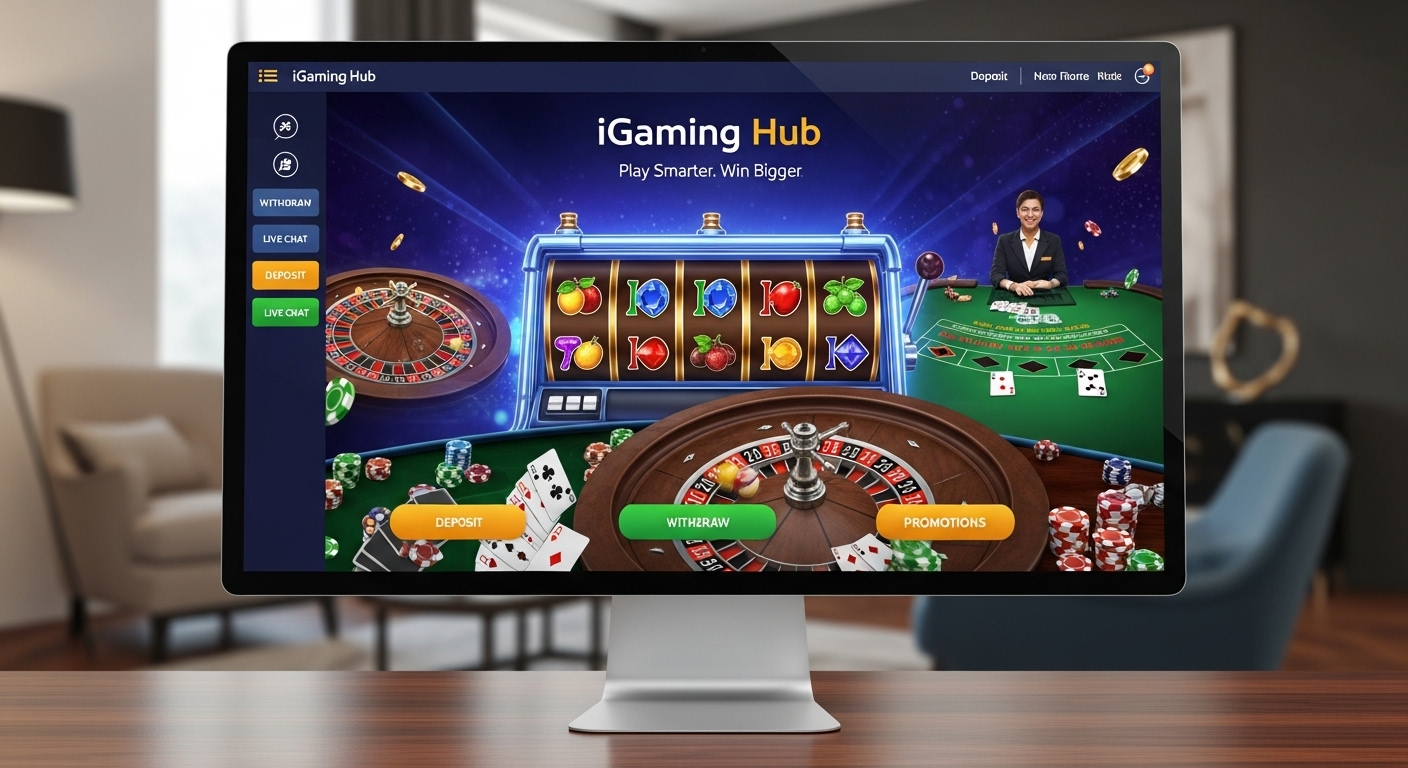

Introduction: What is iGaming?
iGaming, or interactive gaming involving wagering, has emerged as one of the most exciting sectors in the entertainment industry. Unlike traditional casinos or sports betting, iGaming encompasses a wide variety of online activities including virtual casinos, poker, lottery, bingo, and sports betting. Over the last decade, the industry has evolved from a niche pastime into a mainstream phenomenon, fueled by technological advancements, mobile access, and changing consumer behavior. It is not just about gambling; iGaming represents a complex ecosystem where technology, entertainment, and business converge.
The Evolution of Online Gaming
The roots of iGaming can be traced back to the late 1990s when the first online casinos appeared. Initially, these platforms offered basic games such as blackjack, roulette, and slot machines. With the growth of the internet, online gaming platforms began to offer more sophisticated interfaces and secure payment methods. The arrival of smartphones and tablets further accelerated the industry, allowing players to gamble from anywhere at any time. Today, iGaming platforms offer immersive experiences with live dealer games, interactive slots, and multiplayer tournaments, making online gambling more engaging and accessible than ever before.
The Technology Behind iGaming
Technology forms the backbone of the iGaming industry. Advanced software ensures fairness, accuracy, and reliability across all games. Random number generators create unpredictability in casino games, while encryption and cybersecurity measures protect user data and transactions. Mobile apps and responsive websites provide seamless access to games, ensuring players can enjoy uninterrupted experiences on the go. Artificial intelligence and data analytics have also become critical, allowing operators to personalize the gaming experience, predict user preferences, and optimize customer support. The integration of technology has transformed iGaming into a highly secure, interactive, and engaging industry.
Online Casinos: A World of Virtual Entertainment
Online casinos are among the most popular components of iGaming. Players can access hundreds of games including slots, poker, baccarat, and roulette. Modern platforms offer live dealer games, where professional dealers broadcast in real time, creating an authentic casino atmosphere. Loyalty programs, tournaments, and rewards systems further enhance the player experience. With advanced graphics, immersive sound, and interactive features, online casinos provide entertainment comparable to traditional casinos while offering the convenience of playing from home.
The Rise of Sports Betting
Sports betting has experienced a significant transformation in the digital age. Online platforms allow users to bet on a wide range of sports including football, basketball, tennis, horse racing, and even virtual sports. Real-time updates, live streaming, and in-play betting enhance the excitement and engagement of the betting experience. Advanced algorithms calculate odds accurately, providing players with fair and dynamic opportunities to win. Mobile technology ensures that sports betting is always accessible, making it easier than ever for enthusiasts to participate in events around the world.
iGaming and the Esports Revolution
Esports, competitive video gaming with global tournaments and dedicated fanbases, has become a key segment within iGaming. Players can place bets on matches in games such as League of Legends, Counter-Strike, and Dota 2. This integration has attracted younger audiences and created new revenue streams. Esports betting combines the thrill of traditional gaming with the strategy and skill of competitive video games, demonstrating how technology is expanding the possibilities of online wagering.
Economic Impact of iGaming
iGaming contributes significantly to the global economy. Online gaming platforms generate substantial revenue from wagering activity, software licensing, and partnerships with game developers. The industry has also created employment opportunities in software development, marketing, customer support, and data analytics. Governments benefit through licensing fees and taxation, which are often used to fund public services. The sector’s growth reflects consumer demand for convenient, entertaining, and technologically advanced forms of gaming.
Regulatory Environment and Compliance
Regulation is essential to ensure fair play, consumer protection, and responsible gaming. Different countries have varying frameworks governing iGaming, with some regions fully legalizing and licensing platforms while others impose restrictions. Operators must comply with stringent rules, including responsible gaming measures, anti-money laundering protocols, and data protection standards. Compliance fosters trust, protects players, and ensures the long-term sustainability of the industry.
Responsible Gaming Practices
While iGaming offers excitement and entertainment, promoting responsible gaming is crucial. Platforms provide tools for users to set deposit limits, track their spending, and self-exclude if necessary. Education campaigns raise awareness of problem gambling and encourage players to maintain control. Responsible gaming balances the thrill of wagering with personal and social well-being, ensuring that the industry remains safe, ethical, and enjoyable.
Mobile Technology and Accessibility
Mobile technology has been a major driver of iGaming growth. Players can now access platforms through smartphones and tablets, allowing seamless gameplay anytime, anywhere. Mobile apps provide notifications, live updates, and easy-to-use interfaces, enhancing convenience and engagement. The accessibility offered by mobile technology has expanded the demographic reach of iGaming, making it possible for more people to participate in online gaming responsibly and enjoyably.
Social Interaction in iGaming
iGaming is not a solitary activity. Many platforms incorporate social features such as chat rooms, multiplayer games, and online tournaments. Players can interact, compete, and share experiences with other users, creating vibrant communities. Social features enhance engagement and loyalty, turning online gaming into a shared cultural experience. The combination of entertainment and social connectivity is one of the key factors that differentiate modern iGaming from traditional gambling.
Future Trends in iGaming
The future of iGaming promises continued innovation. Virtual reality and augmented reality are set to create more immersive gaming experiences, while blockchain technology offers transparency and secure transactions. Artificial intelligence will enhance personalization, optimize game design, and improve customer service. Expansion into emerging markets, coupled with regulatory reforms, will further drive growth. The industry’s evolution demonstrates its adaptability and commitment to providing cutting-edge entertainment for players worldwide.
Cultural Impact of iGaming
iGaming has become a significant cultural phenomenon. It has influenced popular culture, inspired media content, and created celebrity players with dedicated fan followings. The integration of gaming, sports, and betting has fostered communities where strategy, skill, and competition are celebrated. By making gambling accessible, interactive, and technologically advanced, iGaming has reshaped perceptions of gaming and created a cultural space where entertainment and technology converge.
Conclusion: iGaming as a Digital Entertainment Powerhouse
iGaming has grown from niche online gambling platforms into a global digital entertainment powerhouse. Technology has enabled immersive gameplay, mobile access, and interactive features, while the integration of esports and social connectivity has expanded its appeal. Regulatory compliance and responsible gaming measures ensure fairness and player safety, making iGaming a sustainable industry. Beyond economic contributions, iGaming reflects the broader trends of digital entertainment, technological innovation, and social engagement. As the industry continues to evolve, it is clear that iGaming will remain a major force in shaping the future of online entertainment.