
Introduction: A New Era of Entertainment
In the past two decades, the digital world has revolutionized nearly every aspect of human life, and the realm of gambling is no exception. The evolution of iGaming—online gambling and betting activities—has completely changed the way people engage with their favorite pastimes. From the early days of internet-based casinos to the rise of mobile betting apps and virtual reality casinos, iGaming has grown into a multi-billion-dollar industry that touches millions of lives globally. But what exactly is iGaming, and how has it transformed the landscape of entertainment and gaming?
At its core, iGaming refers to all forms of gambling that occur via the internet, including online casinos, sports betting, poker, and virtual betting. With advancements in technology, the global reach of the internet, and the growing acceptance of digital currencies, iGaming has evolved far beyond what was once imagined. This blog explores the development of iGaming, the key drivers behind its success, and the exciting future of this industry.
The Origins of iGaming: From Physical Casinos to the Digital World
The story of iGaming begins in the mid-1990s, a period that saw the internet transition from a largely academic tool to a space for entertainment and commerce. Early versions of online gambling were rudimentary and limited, primarily offering games that resembled their land-based counterparts. In 1994, the Caribbean island nation of Antigua and Barbuda introduced legislation that allowed the licensing of online gaming operators. This law helped establish the legal framework that paved the way for the first fully operational online casinos.
The first real breakthrough in iGaming came in 1996 when InterCasino, the first real money online casino, was launched. Initially, it offered a limited selection of games, but the premise was simple: allowing players to enjoy casino games such as blackjack, roulette, and slots from the comfort of their own homes. By the late 1990s and early 2000s, the idea of playing games and placing bets from anywhere with an internet connection began to catch on.
The development of secure digital payment systems, such as credit card processing and later digital wallets, provided the necessary infrastructure for online gambling to thrive. With players able to deposit and withdraw money easily and securely, online casinos gained widespread popularity. The subsequent years saw the emergence of sports betting platforms and online poker rooms, further expanding the iGaming ecosystem.
The Growth of iGaming: Diversification and Global Expansion
By the early 2000s, iGaming had experienced explosive growth. What started with a handful of online casinos had now expanded to a diverse range of gambling activities, including poker, sports betting, and even bingo. The ability to play poker online and compete in tournaments with players from around the world helped make poker one of the most popular forms of iGaming.
Poker websites like PokerStars and Full Tilt Poker became household names, with their tournaments offering millions of dollars in prize money. The World Series of Poker (WSOP) transitioned to the online space in 2003, making it even more accessible to aspiring poker players. The online poker boom reached its peak in the mid-2000s, with millions of people playing poker on a daily basis.
Simultaneously, sports betting began to flourish online, with many sportsbooks offering odds on a variety of global sports. As the internet became more accessible worldwide, players from countries with traditionally restrictive gambling laws were now able to place bets on everything from football to horse racing. Major betting companies like Bet365 and William Hill leveraged their land-based brand recognition and transitioned their services to the web, further cementing the global nature of iGaming.
The increased availability of broadband internet played a critical role in this expansion. Faster connections enabled more seamless gaming experiences, allowing for high-quality graphics, smoother gameplay, and quicker real-time interactions between players. This technical progress facilitated the transition from basic casino games to more sophisticated and dynamic offerings, which now included live dealer games and advanced video slots.
Mobile Gaming: iGaming in the Palm of Your Hand
With the rise of smartphones and tablets in the 2010s, mobile gaming became a critical component of the iGaming industry. Players no longer needed to be tied to a desktop computer to enjoy their favorite gambling activities. The ability to access online casinos, poker rooms, and sports betting platforms from virtually anywhere revolutionized how people engage with iGaming.
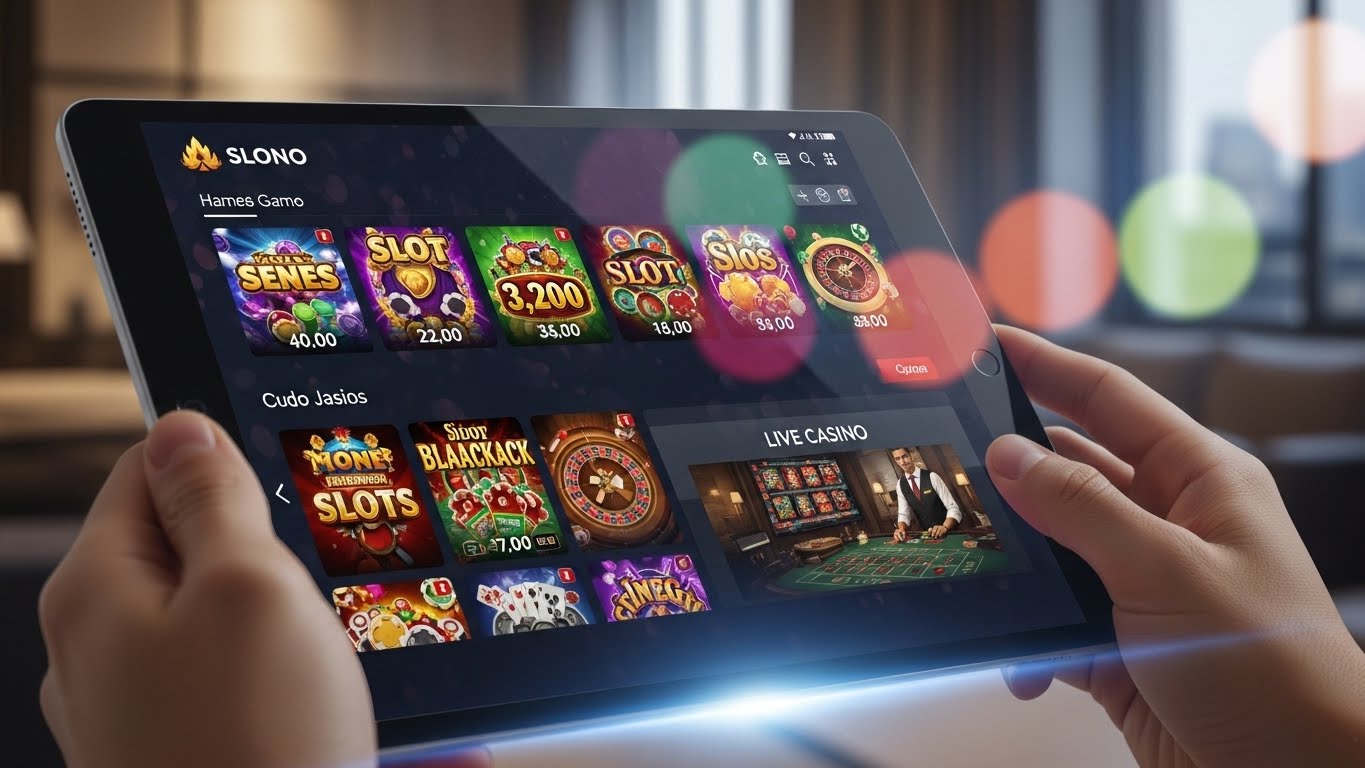
Mobile gaming took iGaming to new heights, enabling it to reach an even broader audience. Mobile-optimized websites and dedicated apps for iGaming platforms allowed users to access games and place bets from their phones and tablets. The gaming experience was tailored for the smaller screens of mobile devices, which resulted in enhanced graphics and user-friendly interfaces.
This shift toward mobile gaming also led to new innovations in game design. Slots, for example, became more interactive, with advanced features like bonus rounds, free spins, and intricate storylines. Mobile gaming also made live dealer games more accessible, allowing players to interact with real human dealers via video streams on their smartphones or tablets. This helped bridge the gap between traditional land-based casinos and online platforms.
As mobile devices became more powerful, the quality of mobile games improved dramatically. Today, many mobile games offer near-identical experiences to those available on desktop platforms, with high-quality graphics, sound effects, and gameplay. For players, the ability to play iGaming games while on the move or during moments of leisure has become a key reason for the growing popularity of mobile platforms.
Virtual Reality and iGaming: A Glimpse into the Future
While mobile gaming has become the mainstream for many iGaming players, the future of the industry is poised for even greater innovation. Virtual Reality (VR) has the potential to dramatically change the way players interact with online gambling platforms. The immersive nature of VR could allow players to experience online casinos as if they were physically present in a brick-and-mortar casino, enhancing both the social and visual aspects of gaming.
The concept of a virtual casino has been explored by developers over the past several years. By using VR headsets, players could walk around a digital casino floor, interacting with games, other players, and dealers in real time. Instead of staring at a screen, players would be able to look around and feel like they are truly inside a casino. For instance, a player could sit down at a blackjack table, communicate with a live dealer, and interact with fellow gamblers—all while being in the comfort of their own home.
As VR technology continues to evolve and become more affordable, the integration of VR into iGaming could redefine the online gambling experience. For now, VR remains a work in progress, but many industry experts believe that it will be a game-changer in the near future. With VR, the boundary between virtual gaming and reality is likely to become increasingly blurred.
Security and Regulation: Ensuring a Safe and Fair Environment
As the iGaming industry grows, so do the concerns surrounding its regulation, security, and fairness. Online gambling, by nature, involves the exchange of large sums of money and personal data, which makes it a target for fraudsters and cybercriminals. Ensuring that platforms are secure and trustworthy is paramount to the continued success of iGaming.
One of the biggest steps forward in ensuring the security of iGaming platforms has been the development of secure payment methods. Cryptocurrencies like Bitcoin have become an increasingly popular payment option, providing both anonymity and security for players. The use of blockchain technology has also introduced new methods for ensuring transparency and fairness in online gaming transactions.
On the regulatory side, the iGaming industry is governed by various international and local laws. Different countries have different attitudes toward online gambling, with some nations embracing it and others maintaining strict bans. To ensure fairness, many online gambling sites operate under licenses issued by reputable regulatory bodies, such as the United Kingdom Gambling Commission or the Malta Gaming Authority. These bodies enforce strict regulations on how online casinos and sportsbooks operate, ensuring that games are fair and that operators follow ethical practices.
The Future of iGaming: What Lies Ahead?
The future of iGaming looks incredibly promising. With technological advancements continuing to drive innovation, the online gambling industry is expected to grow even further. Mobile gaming, live casinos, and the potential for virtual and augmented reality are all expected to become more refined, providing players with more engaging and immersive experiences. As regulatory frameworks become more robust and the use of cryptocurrency increases, players can expect a more secure and trustworthy gaming environment.
In addition, the growing interest in esports—the competitive side of gaming—has the potential to influence iGaming in new ways. Many iGaming operators are already offering esports betting markets, allowing players to wager on popular video game tournaments. The increasing intersection of traditional sports and esports betting could further blur the lines between gaming and gambling.
With more countries beginning to regulate and legalize online gambling, iGaming is poised to become a major part of the global entertainment landscape. As the world of online gambling continues to innovate and evolve, it will offer new and exciting opportunities for both players and businesses alike.
Conclusion: A New Age of Digital Gambling
The iGaming industry has come a long way since its inception in the 1990s. What started as a small niche market for online casinos has evolved into a global multi-billion-dollar industry that encompasses a wide range of activities, from poker to sports betting to virtual casinos. With advancements in technology, the rise of mobile gaming, and the promise of virtual reality, iGaming is set to continue its upward trajectory, offering new and immersive experiences for players worldwide.
While challenges around security, regulation, and fairness remain, the future of iGaming looks bright. As the industry adapts to new technologies and innovations, it will continue to redefine how people experience entertainment, competition, and gambling in the digital age. Whether you’re a casual player or a seasoned gambler, the world of iGaming promises a new, exciting frontier that is just beginning to unfold.