The iGaming industry has been growing rapidly in recent years, thanks to technological advancements, the increasing popularity of online gaming platforms, and the changing legal landscapes in various regions. This sector, which covers a wide range of gaming activities like online casinos, sports betting, poker, and eSports, has seen significant evolution from its early days. As technology continues to develop, the iGaming sector is poised to undergo further transformations, making it one of the most dynamic and lucrative industries in the entertainment world. In this blog post, we’ll explore the current trends in iGaming, the challenges it faces, and the potential future developments that could reshape the industry.
What is iGaming?
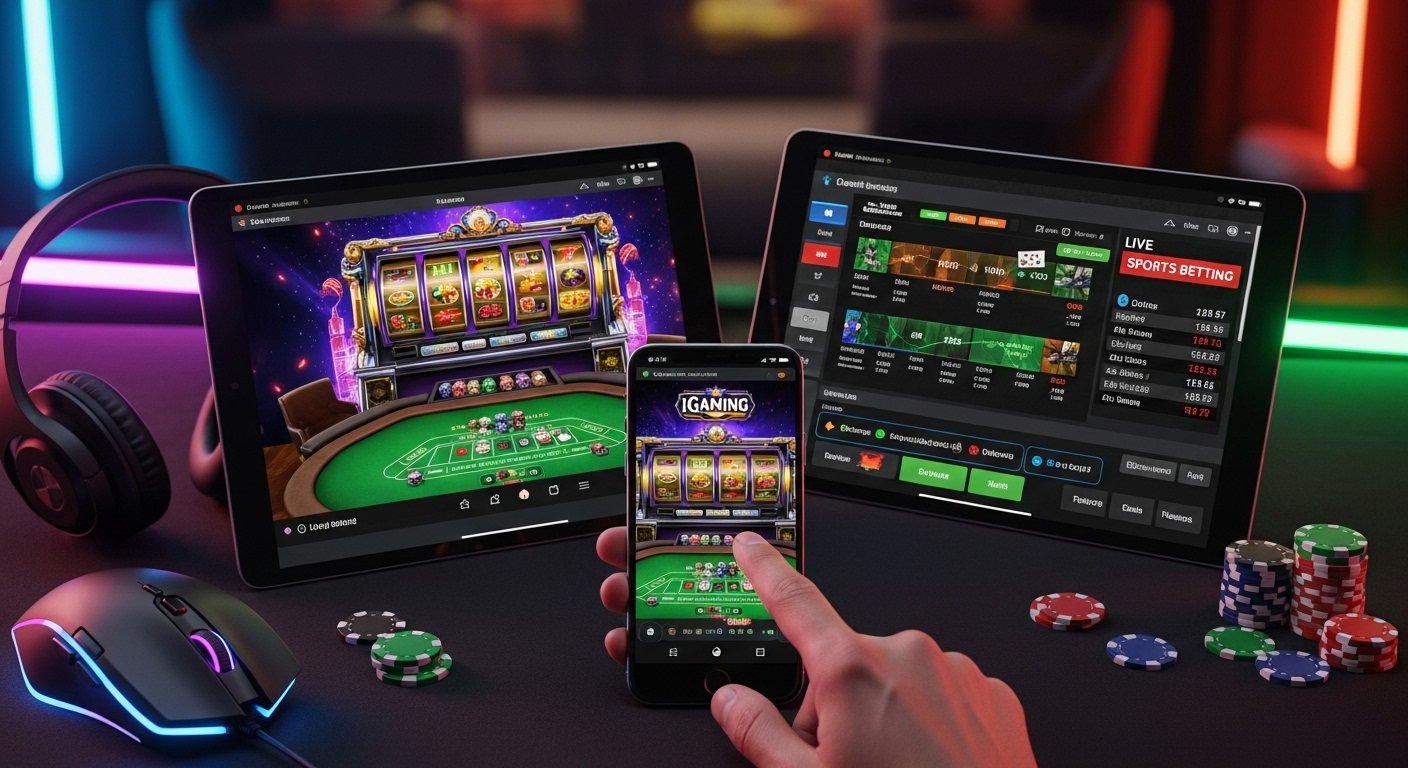
iGaming refers to any form of gambling that takes place over the internet. This broad definition encompasses a wide range of games, from online casino games like slots, roulette, and blackjack, to sports betting platforms, online poker rooms, and even virtual and live dealer games. The key to iGaming’s success is the convergence of traditional gambling and cutting-edge technology. Players can now enjoy their favorite games from the comfort of their homes or even on the go with mobile applications, while operators gain access to global markets without the need for physical infrastructure.
The Rapid Growth of iGaming
The global iGaming industry has witnessed impressive growth over the past decade. According to various reports, the market size is expected to continue expanding at a compound annual growth rate (CAGR) of over 11% in the next few years. This is largely driven by the growing adoption of smartphones, improvements in internet connectivity, and the increasing popularity of gaming among younger generations. For many people, iGaming is now a primary form of entertainment, comparable to traditional forms of media like TV or movies.
In 2020, the global online gambling market was valued at over $66 billion, and experts predict that this number could exceed $100 billion by 2026. This growth is particularly evident in regulated markets like Europe, the United States, and parts of Asia, where online gambling has become more mainstream and accessible. The accessibility of online platforms has also led to an increase in gambling participation, particularly in countries where traditional gambling options were limited or non-existent.
Key Trends in iGaming
Several emerging trends are shaping the future of iGaming. These trends reflect both technological advancements and shifts in consumer behavior.
1. Mobile Gaming Revolution
Mobile gaming has become one of the most significant trends in the iGaming world. With smartphones and tablets in almost every household, it’s no surprise that players are opting for mobile-friendly platforms. Mobile devices offer convenience, allowing players to gamble anytime and anywhere, whether they’re commuting, on vacation, or relaxing at home.
Mobile gaming has also led to the development of dedicated apps for iGaming platforms, offering better user experiences than web-based versions. These apps are designed to be intuitive, with fast loading times, secure payment options, and seamless integration with social media features, enhancing player engagement. Many online casinos now boast mobile-first platforms, optimizing their games for smaller screens and touch-based controls.
2. Live Dealer Games
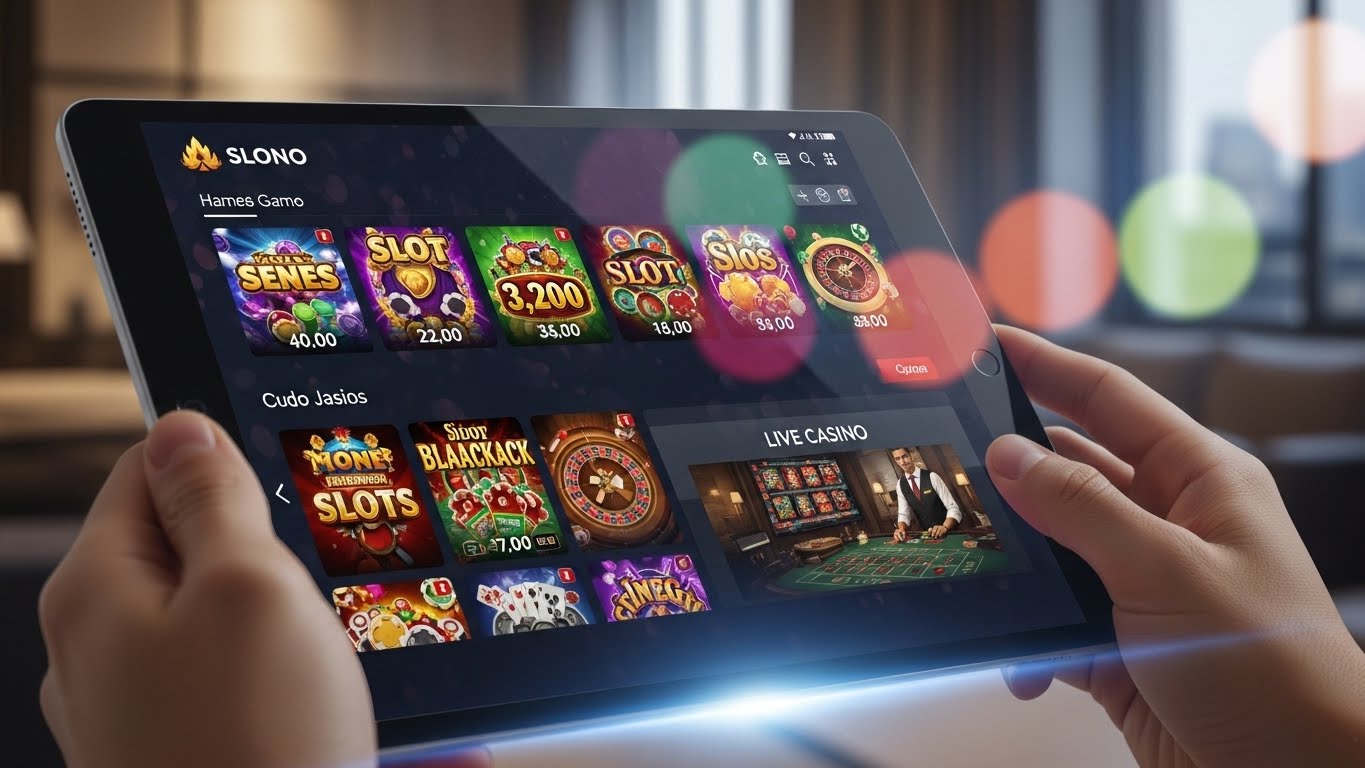
The introduction of live dealer games marked a significant turning point for iGaming. Live dealer games combine the convenience of online gambling with the immersive experience of a real casino. Players can interact with live dealers, view real-time gameplay via high-definition video streams, and make decisions just like they would in a physical casino. Popular games like live blackjack, roulette, and baccarat have become staples of the online casino experience.
This trend has been fueled by advancements in streaming technology and the growing demand for more authentic, real-time experiences. For players who enjoy the atmosphere of a brick-and-mortar casino but prefer to stay at home, live dealer games offer a compelling alternative. The popularity of live gaming is expected to continue rising, with more studios and game developers entering the market.
3. Cryptocurrency and Blockchain in iGaming
The rise of cryptocurrency and blockchain technology has introduced new possibilities for iGaming. Cryptocurrencies like Bitcoin, Ethereum, and Litecoin are becoming increasingly popular as payment methods on iGaming platforms due to their enhanced security, faster transactions, and reduced fees compared to traditional banking methods. Additionally, blockchain technology allows for transparent and secure transactions, addressing concerns about fairness and fraud.
Cryptocurrency-based casinos and poker rooms are gaining traction, offering players an additional layer of privacy and anonymity. Some platforms even offer provably fair games, where players can verify the fairness of each game outcome through the blockchain. The integration of cryptocurrency in iGaming is still in its early stages, but it’s expected to grow rapidly in the coming years.
4. Esports Betting
Esports has emerged as a major force in the world of iGaming, with millions of players and fans worldwide. Esports tournaments, particularly in games like League of Legends, Dota 2, and Counter-Strike: Global Offensive, attract enormous audiences, and this has created a burgeoning market for esports betting. iGaming operators are increasingly offering betting options on esports tournaments, enabling fans to wager on their favorite teams and players.
Esports betting appeals to a younger demographic who are already heavily involved in gaming and online streaming platforms. As esports continues to grow in popularity, it is expected to become an even more integral part of the iGaming ecosystem.
5. Gamification and Social Features
Gamification has become a popular strategy for iGaming platforms to enhance user engagement. Many online casinos, sportsbooks, and poker sites are incorporating elements such as achievements, leaderboards, and loyalty rewards into their platforms to make the gaming experience more interactive and rewarding. By offering these incentives, operators can encourage players to return more frequently and spend more time on their platforms.
Social features are also becoming more common in iGaming. Players can now interact with each other via chat rooms, participate in tournaments, or share their winnings on social media platforms. The integration of social features helps to create a more connected and engaging experience for players.
Challenges Facing the iGaming Industry
Despite its rapid growth, the iGaming industry faces several challenges that could affect its future development. These challenges range from regulatory issues to concerns about responsible gambling.
1. Regulatory Hurdles
One of the most significant challenges for iGaming is the complex and ever-changing regulatory landscape. Each country has its own set of rules and regulations governing online gambling, and the lack of uniformity across jurisdictions can create confusion for both operators and players. In some regions, online gambling is heavily restricted or even banned, while in others, it is fully regulated.
This regulatory complexity can pose significant challenges for iGaming operators looking to expand into new markets. Moreover, as governments become more aware of the growth of online gambling, it’s likely that new regulations will be introduced to address concerns about problem gambling, money laundering, and other issues. Operators will need to stay on top of these changes to remain compliant and avoid legal penalties.
2. Responsible Gambling Concerns
As the iGaming industry grows, so does the need for responsible gambling initiatives. Problem gambling, addiction, and financial issues related to excessive gambling have become a serious concern for many stakeholders. Operators are increasingly being held accountable for promoting responsible gambling and ensuring that players are protected from harm.
In response to this, many iGaming platforms have implemented self-exclusion tools, deposit limits, and age verification processes to mitigate the risks associated with gambling. However, more work needs to be done to ensure that gambling remains a fun and enjoyable activity, rather than something that leads to harmful consequences.
3. Cybersecurity and Data Privacy
With the increasing amount of personal and financial data being exchanged on iGaming platforms, cybersecurity is a critical concern. Players want assurances that their sensitive data is secure and that they can trust the platform they are using. Data breaches, hacking attempts, and fraud are constant threats, and iGaming operators must invest heavily in security measures to protect their users.
Ensuring data privacy is also a major issue, particularly with the use of cryptocurrency, where players expect a higher level of anonymity. Operators need to implement robust security protocols to safeguard both user data and transactions, while also complying with privacy laws like the General Data Protection Regulation (GDPR) in the European Union.
The Future of iGaming
Looking ahead, the future of iGaming appears bright, with continued technological advancements and a growing global market. Innovations such as virtual reality (VR) casinos, augmented reality (AR) gaming, and artificial intelligence (AI) have the potential to revolutionize the industry further, providing players with more immersive and personalized experiences.
Moreover, the continued legalization and regulation of online gambling in various regions will open up new markets for iGaming operators. As more countries recognize the benefits of regulated gambling, the industry will become even more integrated into the global economy.
In conclusion, iGaming is an exciting and rapidly evolving sector that continues to captivate millions of players worldwide. While it faces challenges such as regulatory hurdles and responsible gambling concerns, the opportunities for growth and innovation are vast. With emerging technologies, a broader customer base, and new market openings, the iGaming industry is set to remain a central player in the entertainment and gambling world for years to come.