
Introduction: The Rise of iGaming
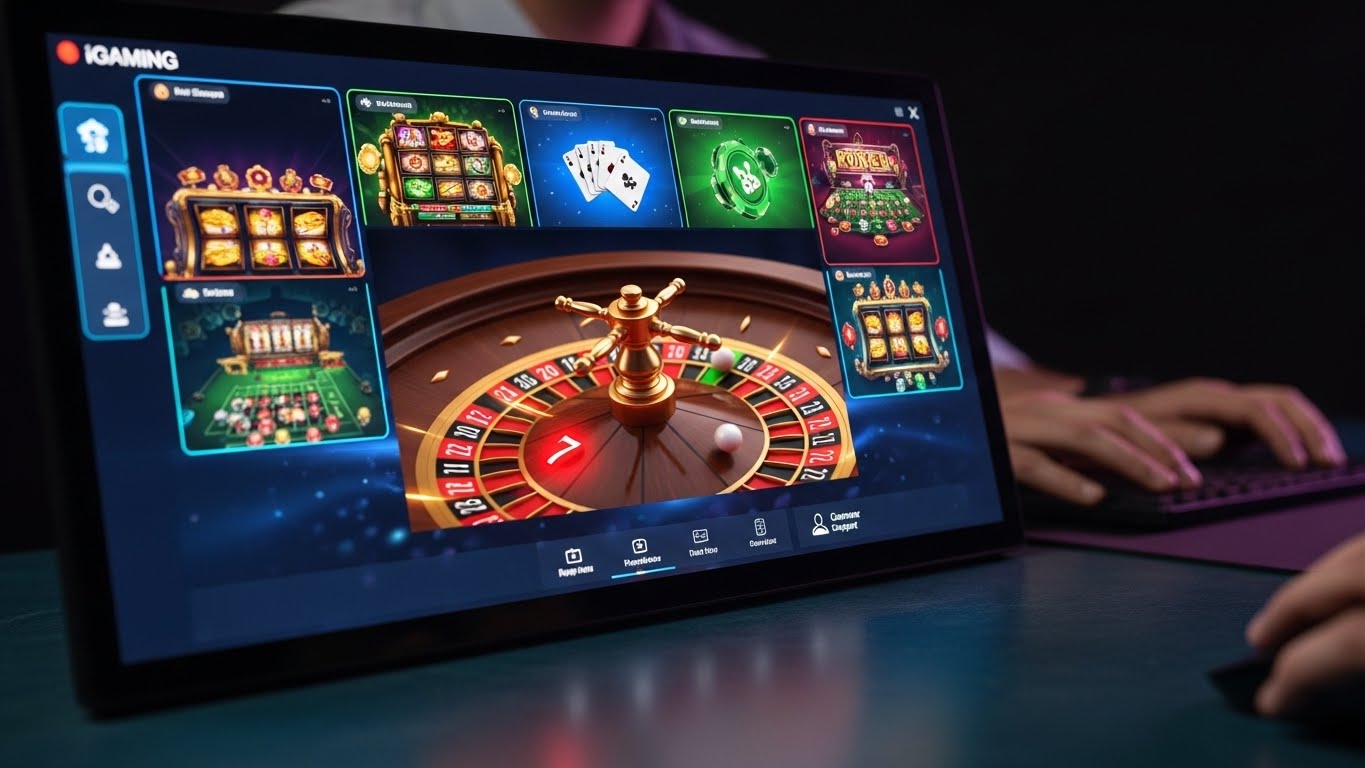
iGaming, the world of online gaming and digital gambling, has grown exponentially in recent years. What began as simple online casino games and sports betting platforms has transformed into a global industry blending technology, entertainment, and strategy. Unlike traditional gambling, iGaming provides instant access to a wide range of interactive experiences from anywhere in the world.
The appeal of iGaming lies not just in the thrill of winning but in the immersive experiences, convenience, and technological innovations it offers. Players can now enjoy casino games, poker, sports betting, virtual tournaments, and live dealer experiences with the click of a button. iGaming has become more than entertainment—it is a dynamic platform that merges skill, strategy, and chance with social interaction and digital innovation.
The Evolution of iGaming
The history of iGaming reflects broader trends in technology and entertainment. Early online gambling platforms emerged in the late 1990s, offering basic casino games such as slots, blackjack, and roulette. These platforms allowed players to enjoy gambling from home without visiting physical casinos, marking the start of a digital revolution.
Over time, iGaming evolved to include sports betting, virtual sports, live dealer games, and mobile-optimized platforms. Advancements in technology, including faster internet, secure payment systems, and random number generation, have made online gambling more reliable, secure, and enjoyable. Today, iGaming is a sophisticated industry that integrates cutting-edge software, interactive design, and global accessibility.
The Appeal of iGaming: Convenience and Accessibility
One of the primary factors behind the popularity of iGaming is convenience. Unlike traditional casinos, online platforms allow players to access games anytime and anywhere. Whether on a computer, tablet, or smartphone, users can participate in real-time games, tournaments, or betting events without leaving their homes.
Accessibility also plays a major role. iGaming platforms cater to a diverse audience, offering games suitable for beginners, casual players, and seasoned gamblers. Tutorials, free-play modes, and beginner-friendly interfaces make it easier for newcomers to enter the world of digital gambling. This level of inclusivity has contributed to the rapid growth of the industry worldwide.
iGaming and Technology: Driving Innovation
Technology is at the heart of iGaming. Random number generators, live streaming, mobile optimization, and secure payment gateways ensure fair play, real-time interaction, and seamless user experiences. Artificial intelligence and data analytics are increasingly used to personalize gameplay, detect patterns, and enhance security.
Virtual reality (VR) and augmented reality (AR) are also shaping the future of iGaming. VR casinos allow players to explore fully immersive environments, interact with live dealers, and engage socially with other participants. AR features integrate real-world elements into games, creating innovative hybrid experiences. As technology continues to advance, iGaming platforms will become even more interactive and engaging.
Popular iGaming Formats
iGaming offers a wide variety of formats, catering to different interests and preferences.
1. Online Casinos: These platforms provide classic games like slots, blackjack, roulette, and baccarat. Modern online casinos often feature themed slots, progressive jackpots, and interactive interfaces that mimic real-life casino experiences.
2. Poker and Card Games: Digital poker platforms allow players to compete against others globally. Advanced software enables live tournaments, real-time chat, and secure betting mechanisms, providing an authentic poker experience.
3. Sports Betting: iGaming platforms enable real-time betting on sports events ranging from football and basketball to horse racing and esports. Odds are updated instantly, allowing players to make informed decisions and engage more strategically.
4. Live Dealer Games: These games bridge the gap between digital and physical casinos. Players interact with real dealers via live video streaming, creating an immersive experience that combines convenience with social engagement.
5. Virtual and Fantasy Sports: Players can manage virtual teams, predict outcomes, and compete in fantasy leagues. These formats offer a mix of strategy, competition, and entertainment that appeals to sports enthusiasts and casual players alike.
The Social Aspect of iGaming
While gambling is often perceived as an individual activity, iGaming incorporates significant social interaction. Multiplayer poker tables, live dealer games, tournaments, and chat features allow players to engage with each other in real time. This social dimension adds excitement, fosters competition, and creates communities of like-minded enthusiasts.
Gamification elements, such as leaderboards, achievements, and challenges, further enhance engagement. Players are motivated to improve their skills, participate in events, and connect with others, making iGaming a dynamic and interactive form of entertainment.
Responsible Gaming in the Digital Era
With the rise of iGaming, responsible gaming practices are more important than ever. Online platforms provide tools to ensure that players gamble safely, including deposit limits, self-exclusion options, and activity tracking. Education about the risks of gambling, understanding odds, and maintaining balance between play and personal life are essential aspects of responsible gaming.
Regulation and licensing also play a key role. Reputable iGaming platforms operate under strict regulatory frameworks that promote fairness, security, and transparency. These measures protect players while fostering trust in the industry, encouraging sustainable growth.
Economic Impact of iGaming
iGaming has emerged as a major economic force. The industry generates billions in revenue annually and supports a wide range of jobs, including software development, marketing, customer service, content creation, and cybersecurity. It also contributes to tourism, local businesses, and technology development in regions where online gambling is legal and regulated.
Moreover, iGaming has created new entrepreneurial opportunities. Independent developers, streaming personalities, and esports organizers benefit from the expanding ecosystem, making the industry a hub of innovation, creativity, and employment.
iGaming and Skill Development
Many iGaming formats require strategic thinking, decision-making, and probability assessment. Poker, fantasy sports, and certain casino games encourage players to analyze patterns, anticipate outcomes, and manage risk. Sports betting requires research, analysis, and timing, fostering skills that extend beyond the gaming platform.
These skill-based elements differentiate iGaming from traditional gambling. While luck is still a factor, strategic thinking, planning, and careful decision-making enhance player engagement and personal growth.
The Global Reach of iGaming
iGaming is a truly global phenomenon. Platforms operate across continents, connecting players from different cultures and backgrounds. Global tournaments, online poker events, and sports betting competitions create international communities that share knowledge, strategies, and experiences.
Regional adaptations also reflect cultural preferences. Some regions focus heavily on poker or casino games, while others prioritize sports betting or virtual gaming. This diversity ensures that iGaming resonates with a wide range of audiences, driving sustained growth worldwide.
Future Trends in iGaming
The future of iGaming promises continued innovation and expansion. Key trends include:
- Enhanced VR and AR experiences that create fully immersive digital casinos.
- Artificial intelligence to provide personalized gameplay, predictive insights, and improved security.
- Blockchain and cryptocurrency integration for faster, secure, and transparent transactions.
- Esports betting as competitive gaming gains mainstream recognition.
- Mobile-first platforms that provide seamless access to games on smartphones and tablets.
As technology evolves, iGaming will continue to merge entertainment, strategy, and social interaction in ways that were previously unimaginable.
Conclusion: iGaming as a Cultural and Technological Force
iGaming has transformed the landscape of digital entertainment, blending innovation, strategy, and social engagement. It offers convenience, accessibility, and a wide array of formats that cater to different interests and skill levels. From online casinos to sports betting, live dealer experiences, and virtual tournaments, iGaming is a dynamic platform that combines chance, skill, and excitement.
Beyond entertainment, iGaming influences technology, culture, and economy. It drives innovation in virtual reality, artificial intelligence, and mobile applications while creating jobs and entrepreneurial opportunities worldwide. Responsible gaming practices and regulatory frameworks ensure that players can enjoy these experiences safely and sustainably.
Ultimately, iGaming is more than a digital pastime. It is a global phenomenon that reflects the convergence of technology, entertainment, and human engagement. As the industry continues to innovate and grow, iGaming will remain a defining element of the modern digital experience, offering players a world of excitement, strategy, and connection at their fingertips.