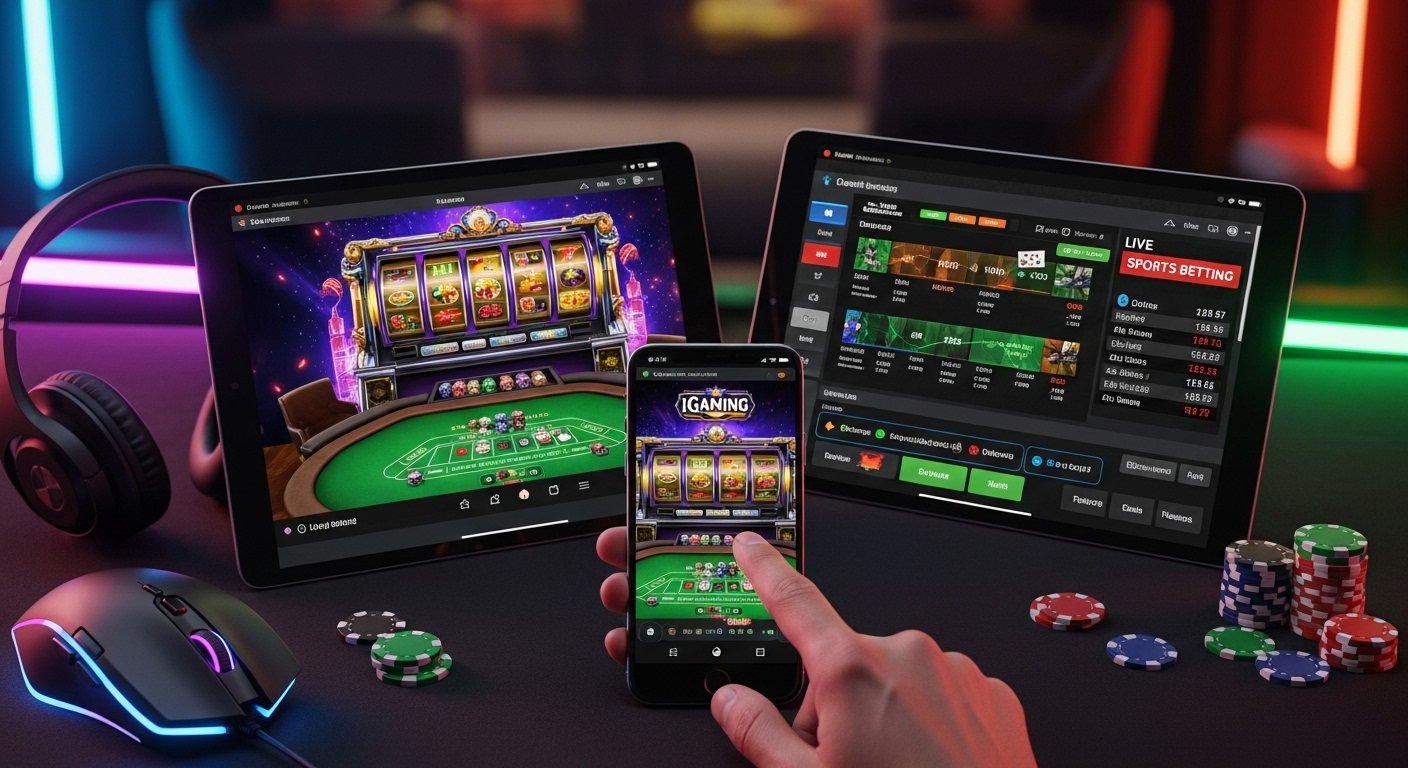

Introduction: The Rise of iGaming
In recent years, the world of gambling has undergone a profound transformation, and at the heart of this revolution is iGaming, or internet gaming. What was once a niche activity has quickly become a global phenomenon, as players around the world increasingly turn to online platforms for their gaming entertainment. iGaming encompasses a wide range of digital gambling activities, from online casino games and sports betting to poker and even virtual esports tournaments.
The growth of iGaming has been driven by several factors, including advancements in technology, the increasing availability of high-speed internet, and the growing acceptance of online gambling. With more people gaining access to smartphones and computers, iGaming platforms have become more accessible than ever before. Whether it’s placing a bet on a sports match, spinning the reels of a slot game, or competing in online poker tournaments, iGaming offers an exciting and immersive experience for players worldwide.
In this blog post, we will explore the evolution of iGaming, its current state, the impact of technology on its growth, and the challenges and opportunities that lie ahead. We will also look at the legal and regulatory landscape surrounding online gambling and discuss the future of this dynamic industry.
The Evolution of iGaming: From Land-Based Casinos to Online Platforms
The concept of gambling dates back thousands of years, with evidence of games of chance and betting found in ancient civilizations. However, it wasn’t until the late 20th century that gambling began to shift toward digital platforms. The birth of iGaming can be traced back to the early days of the internet, when the first online casino was launched in 1994 by Microgaming, a software provider. This marked the beginning of a new era for the gambling industry, where players no longer had to travel to physical casinos to enjoy their favorite games.
In the following years, as internet speeds improved and online payment systems became more secure, the popularity of online casinos grew exponentially. Players could now enjoy a wide range of games, from traditional table games like blackjack and roulette to innovative new slots with interactive features. Online poker also gained traction, with the establishment of major poker sites that allowed players to compete in virtual tournaments against opponents from all over the world.
Sports betting, another major component of iGaming, made its way onto the digital stage in the 1990s as well. With the rise of sportsbooks and betting exchanges, players could wager on a wide array of sports events, including football, basketball, and horse racing, from the comfort of their homes. The advent of live betting, where players can place wagers during the course of a game, further fueled the growth of sports gambling.
As mobile technology began to take center stage in the 2000s, iGaming adapted to cater to the increasing number of smartphone users. Mobile casinos and betting apps were developed, allowing players to access their favorite games and place bets anytime, anywhere. This shift to mobile gaming has been one of the most significant drivers of iGaming’s expansion in recent years.
The Impact of Technology on iGaming: Enhancing the Experience
The rapid advancement of technology has been a major factor in the growth of iGaming. Today, iGaming platforms are more sophisticated, interactive, and user-friendly than ever before, thanks to innovations in software, mobile technology, and artificial intelligence.
One of the most significant technological advancements in iGaming has been the development of high-quality graphics and immersive gameplay. Online casinos now offer stunning 3D graphics and realistic animations that mimic the experience of playing in a land-based casino. Slots, table games, and live dealer games feature cutting-edge visuals and sound effects that enhance the player’s sense of immersion. This attention to detail has made online gambling more engaging and enjoyable for players, who can experience the thrill of the casino without leaving their homes.
Another major development is the rise of live dealer games, which allow players to interact with real dealers in real-time through video streaming. This technology bridges the gap between land-based and online casinos, providing players with a more authentic gambling experience. Live blackjack, roulette, baccarat, and poker games are now offered by many online casinos, allowing players to enjoy the excitement of a physical casino with the convenience of online play.
Mobile technology has also played a pivotal role in the growth of iGaming. As smartphones and tablets became more powerful and widespread, iGaming platforms adapted by offering mobile-optimized versions of their games and apps. Today, players can access their favorite casino games, sports betting sites, and poker rooms on the go, making iGaming more convenient than ever. The ability to place bets and play games from anywhere has helped iGaming reach a much broader audience, particularly among younger, tech-savvy players.
Furthermore, the integration of artificial intelligence (AI) and machine learning into iGaming platforms has opened up new possibilities. AI is being used to enhance personalization, with platforms recommending games or bets based on a player’s preferences and behavior. It’s also being utilized in fraud detection and ensuring the fairness of games. AI-driven chatbots are also helping to improve customer service, providing players with instant assistance whenever they need it.
The Legal Landscape of iGaming: Navigating Complex Regulations
As the iGaming industry has grown, so too have the challenges related to its regulation. The legal status of online gambling varies greatly across countries and regions, with some nations embracing it while others impose strict restrictions or outright bans. This patchwork of regulations can make it difficult for players to know what is legal and for operators to navigate the legal complexities of different markets.
In many parts of the world, including Europe and parts of North America, iGaming is regulated by governmental authorities that issue licenses to operators. These regulatory bodies set standards for fair play, responsible gambling, and consumer protection. For example, the United Kingdom Gambling Commission (UKGC) and the Malta Gaming Authority (MGA) are two of the most well-known regulatory bodies in the industry, and their licenses are highly regarded by players and operators alike.
However, despite the progress made in regulation, many countries still have outdated or unclear laws regarding online gambling. In the United States, for example, the legality of iGaming varies by state, with some states offering regulated online casinos and poker rooms, while others maintain strict prohibitions. Similarly, countries like Australia and Japan have complex laws that allow for certain types of gambling while restricting others.
The challenge of regulation is compounded by the rise of offshore operators, who target players in countries where online gambling is illegal or unregulated. These unlicensed operators often offer enticing bonuses and promotions, but they may not always provide a safe and secure environment for players. To combat this, regulators are increasingly working to create international frameworks and agreements to tackle issues such as money laundering, fraud, and problem gambling.
The Future of iGaming: Trends to Watch
As technology continues to evolve and the global appetite for digital gambling grows, iGaming is poised for even greater expansion. Several key trends are expected to shape the future of the industry.
1. Virtual and Augmented Reality (VR and AR): Virtual reality (VR) and augmented reality (AR) have the potential to revolutionize the iGaming experience. VR casinos could offer players an immersive, 3D environment where they can interact with dealers and other players in real-time. AR, on the other hand, could be used to enhance mobile gaming experiences, allowing players to interact with virtual objects in the real world.
2. Esports Betting: The rise of competitive video gaming, or esports, has opened up new opportunities for iGaming. Esports tournaments now attract millions of viewers, and betting on these events is becoming increasingly popular. In the future, we can expect more iGaming platforms to offer esports betting alongside traditional sports.
3. Cryptocurrencies and Blockchain: Cryptocurrencies like Bitcoin and Ethereum are already being used for online gambling, offering players greater anonymity and faster transactions. Blockchain technology could also help ensure transparency and fairness in iGaming by providing a decentralized, tamper-proof record of all transactions and game outcomes.
4. Gamification and Social Features: As competition in the iGaming industry intensifies, operators are focusing on making their platforms more engaging by incorporating gamification and social features. Loyalty programs, achievements, tournaments, and social sharing elements are becoming increasingly common, allowing players to compete with others and earn rewards.
5. Responsible Gambling and Player Protection: With the growth of iGaming comes the responsibility to promote responsible gambling. Operators are increasingly implementing tools to help players manage their gambling habits, such as self-exclusion options, deposit limits, and age verification systems. As awareness of problem gambling grows, we can expect more initiatives focused on player protection and support.
Conclusion: A Bright Future for iGaming
The world of iGaming is evolving at a rapid pace, with technology driving its growth and shaping its future. As more players embrace online gambling, operators are continuously innovating to offer immersive experiences, seamless mobile play, and new ways to engage with games and bets. However, the industry must also navigate complex legal challenges, promote responsible gambling practices, and ensure player protection.
Despite these challenges, the future of iGaming looks incredibly promising. With advancements in technology like VR, AR, and blockchain, iGaming will continue to push the boundaries of entertainment and offer players a more dynamic, secure, and enjoyable experience. Whether you’re an experienced gambler or a casual player, the digital revolution in the world of gambling is only just beginning. The possibilities are endless, and the future of iGaming is bright indeed.