
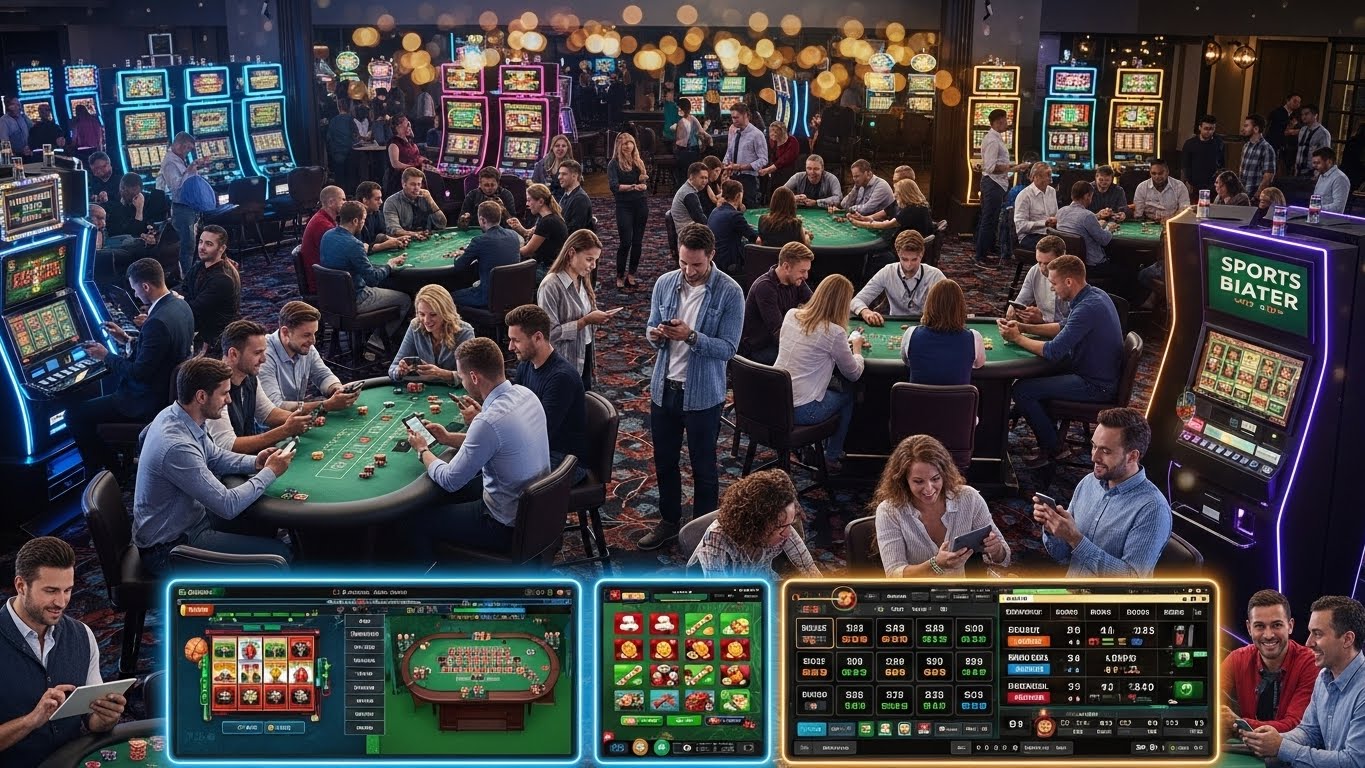
Introduction: iGaming as a Modern Entertainment Revolution
iGaming, short for interactive gaming, has emerged as a leading force in the world of digital entertainment. Combining technology, innovation, and user engagement, iGaming offers experiences that go beyond traditional gaming or gambling. From online casinos and poker platforms to sports betting and virtual slot machines, iGaming has transformed the way people interact with games, competitions, and entertainment. It merges thrill, strategy, and interactivity, providing instant access to immersive experiences for users across the globe. The rise of iGaming reflects broader trends in digital technology, online communities, and consumer preferences, positioning it as a key component of the modern entertainment industry.
The Origins of iGaming
The concept of iGaming began in the late 1990s, coinciding with the widespread adoption of the internet. Early online casinos and poker platforms allowed players to enjoy traditional gambling experiences from home, breaking down the barriers of location and accessibility. Initial platforms focused on simplicity, offering basic digital versions of classic games such as blackjack, roulette, and slots. Despite their limitations, these early platforms demonstrated the potential of the internet to transform gaming and betting into a fully digital experience. Over time, technological advancements enabled iGaming to become more sophisticated, interactive, and user-friendly.
Technological Advancements Driving iGaming
Technology has been central to the evolution of iGaming. High-speed internet, mobile devices, and advanced software have allowed platforms to provide seamless, immersive experiences. Live dealer games replicate the excitement of real-world casinos, streaming games in real time and enabling interaction with professional dealers. Virtual reality (VR) and augmented reality (AR) technologies are gradually making their way into iGaming, offering fully immersive environments where players feel part of the game. Artificial intelligence enhances personalization, tailoring experiences based on player preferences, behaviors, and skill levels. These technological innovations ensure that iGaming continues to evolve and maintain its appeal in a competitive digital landscape.
The Variety of iGaming Experiences
iGaming is not limited to traditional casino games. It encompasses a wide array of experiences, including poker, sports betting, bingo, lottery-style games, and esports betting. Online slots combine graphics, sound, and interactivity to create engaging experiences for casual players, while skill-based games and tournaments appeal to competitive users. Sports betting allows fans to engage with real-world events in exciting ways, adding an extra layer of strategy and thrill. This diversity ensures that iGaming can cater to a broad audience, offering both entertainment and the potential for rewards in various forms.
Accessibility and Global Reach
One of the defining features of iGaming is its accessibility. Unlike physical casinos or traditional betting venues, iGaming platforms are available anywhere with an internet connection. Mobile apps enable users to play games on the go, creating a flexible and convenient entertainment option. Global connectivity has allowed iGaming to reach diverse audiences, from casual players seeking leisure to professional gamers competing in online poker or esports betting tournaments. This accessibility has not only expanded the user base but also transformed how people interact with digital entertainment and social gaming communities.
The Social Dimension of iGaming
While iGaming can be a solitary experience, it also has a strong social component. Multiplayer games, tournaments, and live dealer platforms allow players to interact with others, share strategies, and compete in real time. Social features, including chat functions, leaderboards, and community forums, foster connection and engagement. Players can form friendships, join clubs, or participate in team-based competitions, creating a sense of belonging within digital environments. This social aspect is a key differentiator for iGaming, blending entertainment with human interaction and community building.
Economic Impact of iGaming
The iGaming industry has become a significant contributor to the global economy. Online casinos, betting platforms, and gaming software companies generate billions of dollars annually through transactions, subscriptions, and digital services. The industry creates jobs in technology, marketing, game design, customer support, and legal compliance. Moreover, regulated iGaming markets contribute to government revenues through taxation and licensing fees. The economic impact extends beyond the platforms themselves, influencing related sectors such as payment processing, streaming services, and digital advertising.
Regulation and Responsible Gaming
As iGaming has grown, so too has the need for regulation and responsible practices. Legal frameworks vary by country, ensuring fair play, security, and protection of users. Platforms often include features such as self-exclusion, deposit limits, and access to support services to promote responsible gaming. Regulatory oversight is crucial in building trust, preventing fraud, and maintaining industry integrity. By combining innovation with robust governance, iGaming can continue to expand while prioritizing player safety and ethical standards.
The Role of Mobile Gaming in iGaming
Mobile technology has been a driving force in the expansion of iGaming. Smartphones and tablets allow players to access games anytime, anywhere, creating convenience and flexibility. Mobile apps offer optimized interfaces, push notifications, and instant access to live events or games. This shift to mobile has broadened the audience, attracting casual players who seek entertainment in short, engaging sessions, as well as more serious users participating in competitive events or high-stakes betting. Mobile gaming ensures that iGaming remains relevant and accessible in a fast-paced digital world.
iGaming and Esports Integration
Esports has become an increasingly prominent component of the iGaming ecosystem. Betting on esports tournaments, fantasy leagues, and player performances adds a layer of strategy and excitement for fans. The competitive nature of esports aligns well with iGaming principles, combining skill, prediction, and interaction. Platforms integrating esports offer users the opportunity to engage with their favorite games on multiple levels, enhancing entertainment and community engagement. This integration highlights the potential for iGaming to evolve alongside emerging trends in digital entertainment.
Cognitive and Psychological Engagement
iGaming is not only about chance; it involves strategic thinking, risk assessment, and decision-making. Games that require skill, planning, or strategy provide cognitive stimulation, encouraging players to think critically and adapt. The interactive nature of iGaming creates engagement and focus, offering mental challenges alongside entertainment. This cognitive dimension, combined with the thrill of potential rewards, makes iGaming a compelling and immersive experience that goes beyond traditional digital games.
Challenges Facing the iGaming Industry
Despite its growth, the iGaming industry faces challenges. Concerns about addiction, underage access, and ethical marketing require ongoing attention. Legal discrepancies between jurisdictions can complicate operations for global platforms. Additionally, technological security, data privacy, and fair play remain top priorities. The industry must balance innovation with responsibility, ensuring safe, ethical, and enjoyable experiences for players. Addressing these challenges proactively is essential to sustaining trust and long-term growth.
The Future of iGaming
The future of iGaming promises continued innovation and expansion. Technologies such as virtual reality, augmented reality, blockchain, and artificial intelligence are set to redefine how players interact with games. VR casinos and AR-enhanced betting experiences could provide immersive and lifelike environments. Blockchain technology offers transparency and secure transactions, enhancing trust and fairness. Artificial intelligence enables personalization, adaptive challenges, and smarter user experiences. As iGaming continues to integrate these technologies, it will remain at the forefront of digital entertainment innovation.
Conclusion: iGaming as a Transformative Entertainment Medium
iGaming has transformed the landscape of digital entertainment, offering accessible, interactive, and immersive experiences. It blends technology, strategy, social interaction, and the thrill of competition, appealing to a diverse and global audience. From its early days of basic online casinos to advanced platforms integrating live dealers, esports, and virtual reality, iGaming continues to innovate and redefine how people engage with entertainment. As technology evolves and regulation strengthens, iGaming will remain a dynamic, responsible, and influential part of the global entertainment industry, offering excitement, community, and opportunity to players around the world.