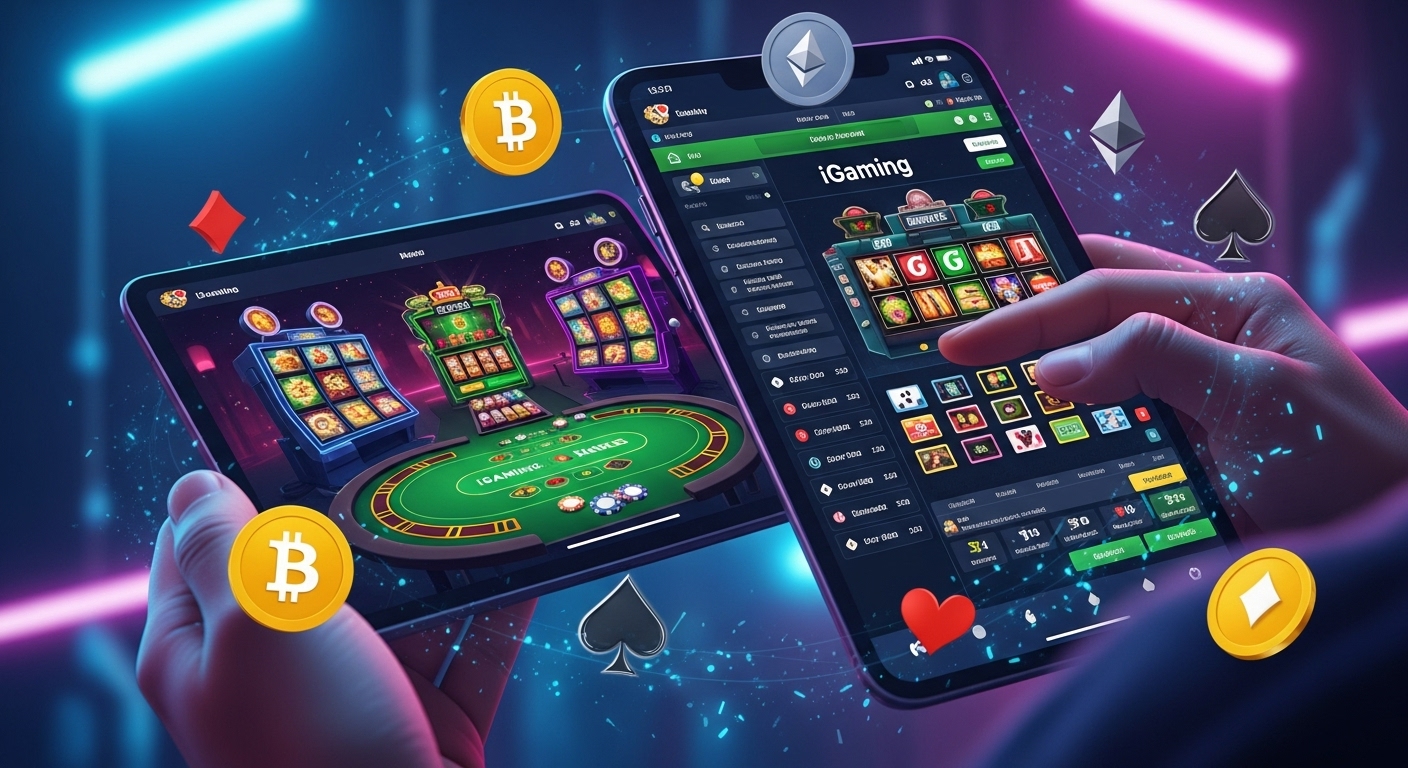

In the past two decades, the world of gaming has undergone a significant transformation. Traditional board games, arcade machines, and physical casinos have gradually given way to a new form of entertainment: iGaming. Short for interactive gaming, iGaming encompasses online gambling, sports betting, poker, virtual games, and skill-based competitions, offering users an immersive and convenient gaming experience. With technological innovation and global internet access driving its growth, iGaming has become one of the most dynamic and rapidly expanding sectors in digital entertainment. This blog explores the evolution, trends, benefits, challenges, and future of iGaming.
What is iGaming?
iGaming refers to any form of gambling or gaming activity conducted online. Unlike traditional casinos or betting venues, iGaming platforms allow players to participate in various games using devices such as smartphones, tablets, or computers. This digital approach provides convenience, accessibility, and a variety of gaming options.
Popular forms of iGaming include online casinos, poker, sports betting, virtual sports, and skill-based games. Modern platforms employ sophisticated software, random number generators, secure payment systems, and user-friendly interfaces to create a seamless gaming experience. Technological advancements have made online gaming not only accessible but also immersive, with features that rival physical casino experiences.
The Evolution of iGaming
The origins of iGaming date back to the mid-1990s when internet access became increasingly widespread. Early online casinos were simple, offering basic graphics and limited gameplay. These platforms primarily replicated traditional casino games such as slots and card games in a digital format.
In the 2000s, improvements in technology enabled better graphics, smoother gameplay, and secure online payment systems. This period saw the emergence of more sophisticated online casinos and virtual poker rooms. The 2010s brought the mobile revolution, allowing players to access games on smartphones and tablets, making gaming more convenient and flexible. Live dealer games further enhanced the experience by connecting players with real dealers via live video streams, adding a social and interactive element to online gaming.
Recent technological innovations such as artificial intelligence, blockchain, and virtual reality have taken iGaming to the next level. AI personalizes gameplay by analyzing user behavior, blockchain ensures transparency and secure transactions, and virtual reality creates immersive digital environments. Today, iGaming is a global industry with millions of users and billions in revenue, reflecting its widespread popularity.
Key Trends in iGaming
Several key trends are shaping the iGaming industry and driving its growth.
Mobile Gaming
Mobile gaming has become a dominant force in iGaming. Smartphones and tablets allow users to access games anytime and anywhere, offering unparalleled convenience. Mobile-optimized apps and websites ensure smooth gameplay and visually appealing interfaces, even on smaller screens.
Live Dealer Games
Live dealer games bridge the gap between traditional casinos and online platforms. Through high-definition streaming, players can interact with real dealers while playing games such as blackjack, roulette, or baccarat. This interactive feature adds authenticity, excitement, and a social dimension to the gaming experience.
Gamification and Loyalty Programs
Gamification incorporates game-like features such as achievements, leaderboards, and reward points into iGaming platforms. Loyalty programs encourage continued engagement by offering incentives such as bonuses, free spins, or access to exclusive tournaments. These strategies increase user retention and make online gaming more entertaining.
Esports Betting
The rise of esports has introduced a new dimension to iGaming. Betting on competitive video gaming events attracts a younger demographic and combines traditional gambling excitement with digital sports entertainment. The popularity of esports continues to grow, providing new opportunities for iGaming platforms.
Responsible Gaming
As iGaming grows, responsible gaming and regulatory compliance have become critical. Platforms often provide tools to manage spending, limit playtime, and promote safe gambling practices. Governments and regulatory authorities enforce rules to ensure fair play and protect consumers, maintaining the integrity of the industry.
Benefits of iGaming
iGaming offers multiple advantages that have contributed to its popularity.
Convenience and Accessibility
The primary benefit of iGaming is convenience. Players can access games from anywhere without the need to travel to a physical casino. This accessibility has broadened the audience for gambling and digital entertainment.
Variety of Games
Online platforms offer a wide selection of games, catering to different interests and skill levels. From slot machines and card games to virtual sports and skill-based challenges, players have endless options to explore.
Immersive Experiences
Technological advancements have created immersive experiences for players. Live dealer games, virtual reality casinos, and interactive interfaces provide realism and engagement that rival physical casino environments.
Social Interaction
Many iGaming platforms include chat features, multiplayer modes, and online tournaments. These social elements encourage interaction among players, fostering a sense of community and enhancing the overall experience.
Economic Contribution
The iGaming industry has a significant economic impact. It generates employment, attracts investments, and stimulates technological innovation. Legal and regulated markets contribute to national economies while creating opportunities for entrepreneurship and business growth.
Challenges in iGaming
Despite its success, the iGaming industry faces several challenges.
Regulatory Complexity
Regulations governing online gambling differ across countries and regions. Operators must navigate licensing requirements, taxation rules, and local laws to operate legally. Compliance is complex, particularly for platforms serving multiple international markets.
Problem Gambling
Excessive gambling can result in financial, emotional, and psychological issues. iGaming platforms must implement responsible gaming measures such as self-exclusion tools, spending limits, and educational resources to reduce the risk of addiction.
Cybersecurity Risks
As an online industry, iGaming is vulnerable to cyber threats, including hacking, fraud, and data breaches. Platforms need robust security measures to protect user data and financial transactions.
Market Competition
The rapid growth of iGaming has created a highly competitive market. Operators must differentiate themselves through innovation, high-quality user experiences, and effective marketing strategies to attract and retain players.
The Role of Technology in iGaming
Technology drives every aspect of the iGaming experience, from gameplay to security.
Artificial Intelligence
AI analyzes player behavior, predicts preferences, and recommends personalized content. AI-powered chatbots provide real-time customer support, while fraud detection systems enhance security and protect user data.
Virtual and Augmented Reality
Virtual reality and augmented reality create immersive gaming environments. Players can explore virtual casinos, interact with digital objects, and enjoy realistic gameplay that replicates the atmosphere of a physical casino.
Blockchain and Cryptocurrencies
Blockchain technology ensures transparency, fairness, and secure transactions. Cryptocurrencies offer alternative payment methods, providing speed, security, and reduced transaction costs. Blockchain also supports provably fair gaming, increasing trust among players.
Cloud Gaming
Cloud gaming allows players to stream games directly to their devices without downloading heavy software. This technology reduces hardware requirements and provides seamless access to high-quality games on various devices.
The Future of iGaming
The future of iGaming is promising, driven by technological innovation and evolving consumer preferences.
Enhanced Personalization with AI
Artificial intelligence will continue to shape personalized gaming experiences. AI will optimize game recommendations, marketing strategies, and security measures while offering tailored content to players based on their preferences.
Growth in Emerging Markets
Emerging markets in Asia, Latin America, and Africa present significant opportunities. Increased internet penetration and smartphone adoption will allow iGaming platforms to reach millions of new players, expanding the global market.
Social and Interactive Gaming
Social and interactive features will become more prevalent in the future. Multiplayer games, social tournaments, and virtual reality social casinos will enhance engagement and community building among players.
Ethical and Responsible Gaming
Sustainable and ethical practices will be central to the industry’s long-term growth. Platforms will prioritize fair play, transparency, and responsible gaming initiatives, building trust and maintaining player loyalty.
Conclusion
iGaming has evolved from simple online casino games to a global digital entertainment phenomenon. Technological innovation, mobile accessibility, and immersive experiences have made it one of the most dynamic sectors in the entertainment industry. Trends such as live dealer games, esports betting, gamification, and social interaction continue to redefine player experiences, while responsible gaming practices and regulation ensure sustainable growth.
Challenges such as regulatory complexity, cybersecurity risks, and problem gambling remain, but technological advancements and ethical practices provide solutions. The future of iGaming promises further innovation with artificial intelligence, virtual reality, blockchain, and social gaming, offering engaging and secure experiences for players worldwide.
iGaming is more than a form of entertainment. It is an economic force driving technological advancement, employment, and digital transformation. Its growth reflects the power of innovation in reshaping traditional industries, creating new opportunities and experiences that are defining the future of gaming and digital entertainment.