
Introduction to iGaming
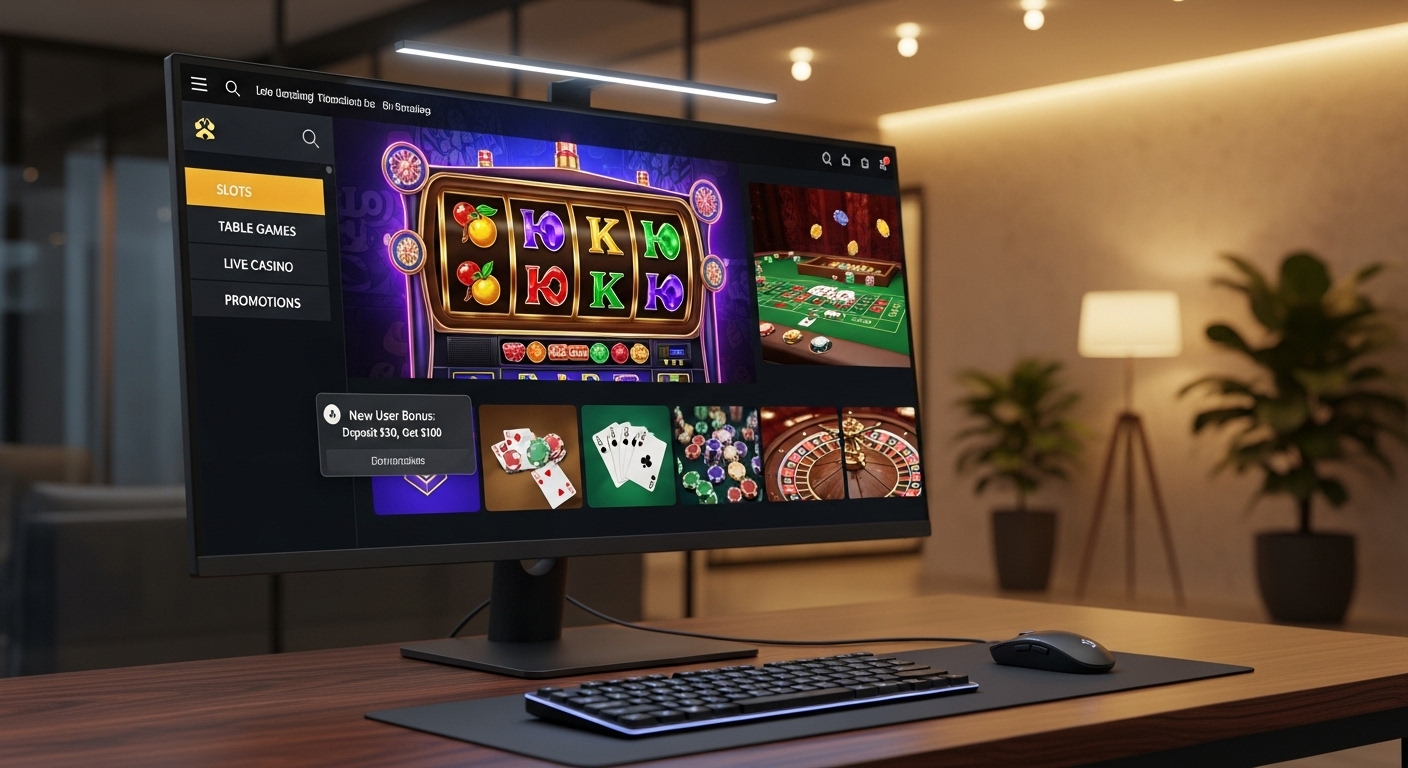
iGaming has rapidly emerged as one of the most dynamic and exciting sectors in the entertainment industry. At its core, iGaming refers to online gaming activities where players can participate in wagering or betting through digital platforms. This encompasses online casinos, sports betting, poker, bingo, and other games of chance or skill. Unlike traditional gaming or gambling, iGaming leverages technology to provide instant access, global reach, and interactive experiences that appeal to a diverse audience.
The growth of iGaming has been fueled by technological advancements, the widespread adoption of smartphones, and increasing internet penetration. Players no longer need to visit brick-and-mortar casinos or betting shops; a stable internet connection and a compatible device are all that is required. This shift has transformed how people interact with gaming, creating a digital ecosystem that is constantly evolving.
The Evolution of iGaming
The journey of iGaming began in the 1990s when the first online casinos were launched. These early platforms were basic, offering only a handful of games like blackjack, roulette, and slot machines. The graphics were simple, and player interactions were limited. However, the potential of online gaming was immediately recognized, leading to rapid innovations in software development, payment solutions, and user interface design.
By the 2000s, online gaming platforms started to offer live dealer experiences, allowing players to engage with real dealers through live streaming. This bridged the gap between traditional casinos and online gaming, providing a more authentic experience. The introduction of mobile gaming in the late 2000s further accelerated growth, allowing players to access their favorite games anytime, anywhere.
Today, iGaming incorporates advanced technologies such as artificial intelligence, virtual reality, and blockchain. AI is used to personalize user experiences, improve security, and optimize game recommendations. Virtual reality brings immersive gaming environments to life, making players feel as though they are walking through a physical casino. Blockchain technology ensures transparency, fairness, and secure transactions, which are critical in a digital gaming ecosystem.
Popular iGaming Platforms
iGaming encompasses a wide range of platforms, each catering to different preferences and interests. Online casinos remain the most popular segment, offering traditional casino games like slots, blackjack, roulette, and baccarat. These platforms often include interactive features such as jackpots, tournaments, and loyalty programs to engage players.
Sports betting has also experienced significant growth, especially with the rise of fantasy sports and live betting options. Players can wager on a variety of sports events, from football and basketball to horse racing and eSports. eSports betting, in particular, has attracted a younger demographic, blending competitive gaming with wagering opportunities.
Poker remains a cornerstone of the iGaming world. Online poker platforms host cash games, tournaments, and sit-and-go formats, attracting both casual players and professional competitors. Additionally, bingo and lottery-style games continue to appeal to players looking for low-stakes entertainment with the potential for significant rewards.
The Role of Technology in iGaming
Technology is the backbone of iGaming, driving innovation and enhancing the player experience. One of the most significant technological contributions is mobile gaming. With smartphones and tablets becoming ubiquitous, players can now access iGaming platforms on the go. Mobile applications provide seamless navigation, instant updates, and notifications about promotions or tournaments, keeping players engaged.
Artificial intelligence has revolutionized personalization within iGaming. AI algorithms analyze player behavior, preferences, and playing history to recommend games that match individual interests. This level of customization enhances player satisfaction and increases engagement, creating a more enjoyable experience.
Virtual reality (VR) is another groundbreaking technology in the iGaming space. VR casinos simulate real-world environments, allowing players to interact with virtual tables, chips, and dealers. This immersive experience replicates the thrill of physical casinos while offering the convenience of online access. Augmented reality (AR) is also being explored to blend real-world elements with digital gaming interfaces, opening new possibilities for interactive gameplay.
Blockchain and cryptocurrencies are reshaping the financial aspect of iGaming. Blockchain ensures that transactions are transparent, secure, and immutable. Cryptocurrencies provide faster payments and eliminate the need for traditional banking intermediaries. Smart contracts guarantee fair play by automatically executing rules and payouts based on pre-defined conditions, reducing the risk of fraud.
Responsible Gaming and Regulation
As iGaming continues to grow, responsible gaming and regulatory compliance have become essential considerations. Operators must implement measures to prevent problem gambling, protect vulnerable players, and ensure fair play. Responsible gaming tools include self-exclusion options, deposit limits, reality checks, and access to support resources. These initiatives foster a safe and enjoyable gaming environment.
Regulation plays a vital role in maintaining the integrity of the iGaming industry. Licensing authorities in various jurisdictions enforce strict standards for software, security, and financial transactions. Compliance with these regulations ensures that operators operate ethically and that players have recourse in case of disputes. Countries such as the United Kingdom, Malta, and Gibraltar are recognized for their robust regulatory frameworks, which have helped build trust in the online gaming market.
Economic Impact of iGaming
The iGaming industry contributes significantly to the global economy. Online gaming platforms generate substantial revenue through player deposits, subscriptions, and advertising. This revenue, in turn, creates employment opportunities across multiple sectors, including software development, customer support, marketing, and cybersecurity.
iGaming also stimulates the growth of ancillary industries, such as payment processing, streaming technology, and data analytics. The demand for innovative gaming software drives research and development, leading to the creation of new tools, features, and platforms. In countries where iGaming is legal and regulated, it has become a valuable source of tax revenue, supporting public services and infrastructure projects.
Moreover, iGaming fosters tourism in certain regions. While online platforms dominate the market, physical casinos and entertainment resorts continue to attract visitors. The integration of online and offline experiences enhances the appeal of destinations, creating a symbiotic relationship between digital and traditional gaming.
Challenges in the iGaming Industry
Despite its rapid growth, the iGaming industry faces several challenges. Cybersecurity remains a top concern, as platforms handle sensitive personal and financial information. Operators must invest in robust encryption, authentication protocols, and monitoring systems to prevent data breaches and fraudulent activities.
Another challenge is maintaining player trust. In an online environment, transparency, fairness, and responsible gaming practices are critical. Platforms that fail to meet these standards risk losing credibility and facing regulatory penalties.
Competition is intense in the iGaming market, with countless platforms vying for player attention. To differentiate themselves, operators must innovate continuously, offering unique features, engaging content, and personalized experiences. Marketing strategies, promotions, and loyalty programs play a significant role in attracting and retaining players.
Future Trends in iGaming
The future of iGaming is bright, with several trends shaping its evolution. Artificial intelligence and machine learning will continue to enhance personalization, security, and game development. Predictive analytics will help operators anticipate player behavior, optimize offerings, and improve retention.
Virtual reality and augmented reality will likely become mainstream, creating fully immersive gaming environments that rival physical casinos. Social gaming features, such as multiplayer interactions, live streaming, and community engagement, will enhance the sense of connection among players.
Blockchain and decentralized platforms will expand, offering new ways to ensure fairness, transparency, and secure transactions. Cryptocurrency adoption will increase, providing players with faster, more flexible payment options.
Additionally, mobile gaming will continue to dominate, with innovative interfaces, responsive designs, and gamification elements enhancing user engagement. The integration of artificial intelligence with mobile platforms will enable real-time recommendations, adaptive gameplay, and personalized rewards, making gaming experiences more intuitive and enjoyable.
Conclusion
iGaming has transformed the way people experience entertainment, combining technology, innovation, and convenience to create an immersive and accessible ecosystem. From online casinos and sports betting to poker and virtual reality experiences, the industry offers something for everyone.
As technology continues to evolve, iGaming platforms will become more sophisticated, personalized, and secure. Responsible gaming and regulatory compliance will remain crucial to maintaining player trust and integrity in the industry.
With its significant economic impact, global reach, and ability to adapt to changing player preferences, iGaming is poised to remain a cornerstone of digital entertainment. The future promises even more exciting experiences, blending innovation, creativity, and interactive engagement to redefine the way people play, wager, and connect online.