Introduction: The Digital Playground of Entertainment
The world of gaming has evolved dramatically over the past two decades. What once began as simple console and PC-based games has now expanded into a vast digital ecosystem known as iGaming. The term iGaming refers to online gaming activities that involve wagering real or virtual money. This can range from online casino games and sports betting to poker and skill-based gaming competitions. The convenience of playing from anywhere, coupled with the thrill of potential rewards, has propelled iGaming into mainstream entertainment. With technological advancements and changing player preferences, iGaming has become more than just a hobby; it is a sophisticated industry shaping the future of digital leisure.
The Evolution of iGaming
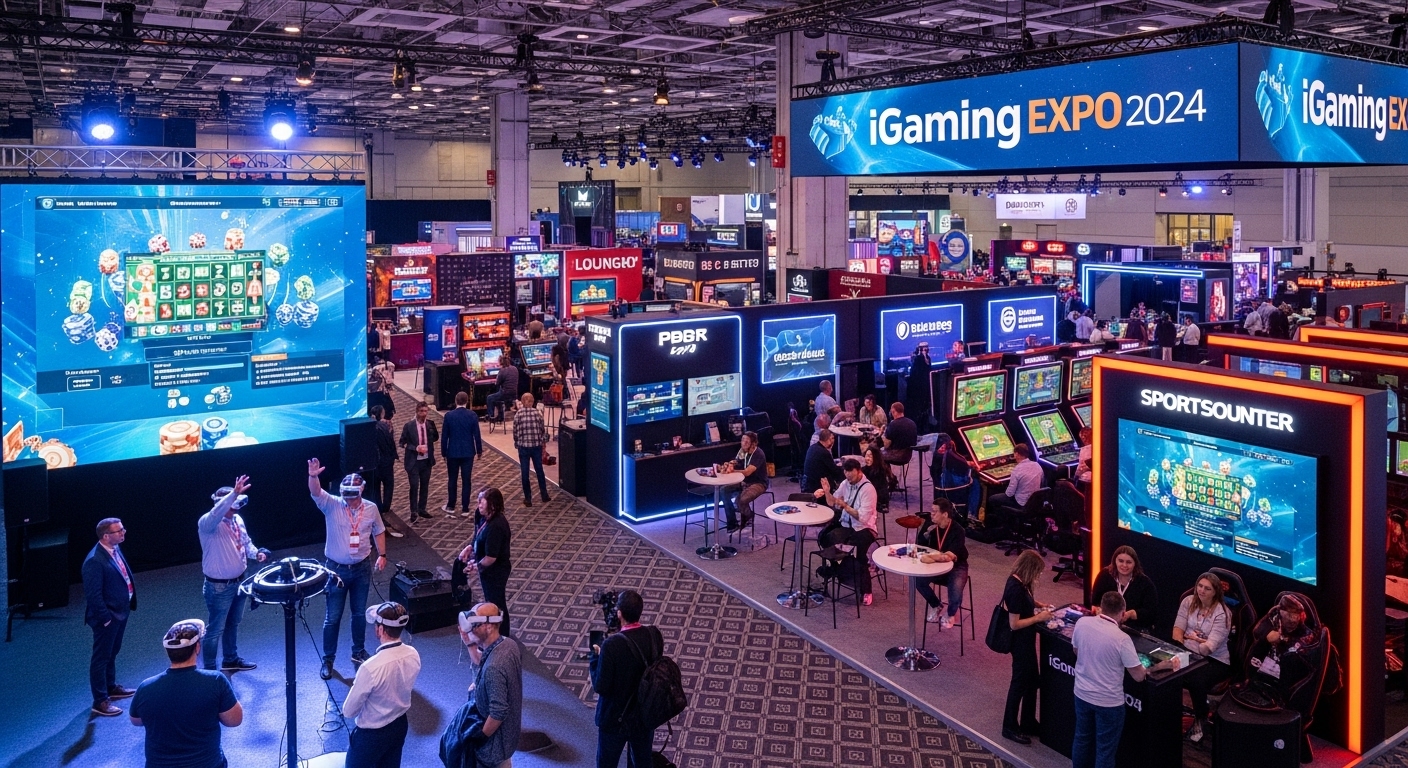
The history of iGaming can be traced back to the late 1990s when the first online casinos began to emerge. Early platforms were basic, offering limited games like online poker and simple slot machines. Over the years, improvements in internet speed, graphics technology, and secure payment systems revolutionized the way players interact with these platforms. Today, iGaming is a multi-billion-dollar industry with millions of active users worldwide. Virtual reality casinos, live dealer games, and mobile-first experiences are now standard offerings. The evolution of iGaming mirrors the broader technological shifts in society, showcasing how entertainment adapts to changing digital landscapes.
Popular Forms of iGaming
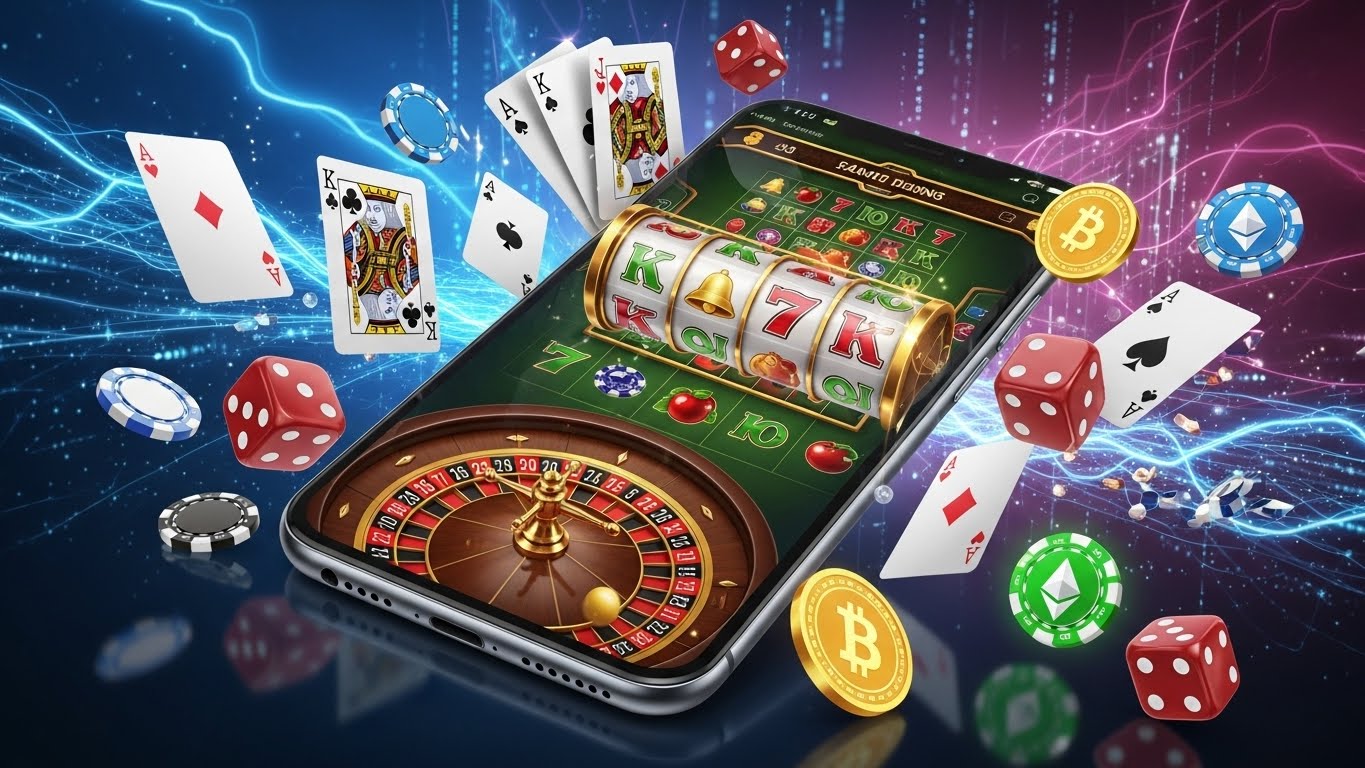
iGaming encompasses a diverse range of activities, each appealing to different player demographics. One of the most popular forms is online casino gaming. Players can enjoy digital versions of classic games like blackjack, roulette, and slots. These platforms often offer bonuses and rewards to attract new players and retain loyal ones. Sports betting is another significant segment of iGaming, allowing fans to wager on their favorite teams and events. Poker remains a timeless classic, with online tournaments attracting both amateur and professional players. Additionally, newer forms of iGaming, such as fantasy sports and esports betting, are gaining rapid popularity, especially among younger audiences who seek skill-based and interactive experiences.
The Technology Behind iGaming
Technology is the backbone of the iGaming industry. High-quality graphics, intuitive user interfaces, and secure payment gateways are critical for creating immersive experiences. Random Number Generator (RNG) technology ensures fairness in games like slots and roulette, giving every player a genuine chance to win. Live streaming and interactive features bring the thrill of real-world casinos into the digital space, allowing players to engage with dealers and other participants in real-time. Mobile technology has further transformed iGaming, enabling players to enjoy games on the go. Additionally, advancements in artificial intelligence and machine learning are helping operators analyze player behavior, optimize user experiences, and prevent fraudulent activity, making iGaming safer and more enjoyable.
The Psychology of iGaming
iGaming thrives not only because of technology but also due to the psychological appeal of gaming. The combination of excitement, unpredictability, and potential rewards triggers dopamine responses in the brain, keeping players engaged. Features such as loyalty programs, daily challenges, and progressive jackpots create a sense of achievement and anticipation. Gamification elements, including levels, badges, and interactive leaderboards, further enhance player involvement. Understanding these psychological drivers helps operators design experiences that are both engaging and responsible. For players, being aware of these mechanisms can help maintain healthy gaming habits and prevent potential addiction.
The Role of Regulation in iGaming
As iGaming continues to grow, regulation has become increasingly important. Legal frameworks ensure that operators adhere to fair play standards, protect player data, and provide secure transaction methods. Different countries have varying approaches to regulation, ranging from fully legalized and taxed systems to strict prohibitions. Compliance with these regulations is crucial for operators to maintain credibility and attract international players. Regulatory oversight also ensures that responsible gaming measures, such as deposit limits and self-exclusion tools, are in place. A well-regulated iGaming environment fosters trust among players and contributes to the sustainable growth of the industry.
The Economic Impact of iGaming
iGaming has become a significant contributor to the global economy. Beyond generating billions in revenue, it creates employment opportunities in software development, marketing, customer support, and cybersecurity. The industry also drives innovation in adjacent sectors, including payment processing, data analytics, and virtual reality technology. Furthermore, governments benefit from taxation and licensing fees, which can be reinvested in public services. The economic impact extends beyond direct financial contributions; iGaming also stimulates tourism, sponsorships, and media coverage, making it a multi-faceted economic driver.
The Social Dimension of iGaming
Contrary to the stereotype of isolated gamers, iGaming often fosters social interaction. Multiplayer games, live dealer casinos, and online tournaments create communities where players connect over shared interests. Social media platforms and forums further amplify these connections, allowing players to share strategies, celebrate wins, and engage in friendly competition. Esports competitions, in particular, have developed global fan bases and professional leagues, demonstrating that iGaming can be both socially engaging and competitive. These social dimensions enhance the appeal of iGaming, making it more than just a solitary pastime.
Trends Shaping the Future of iGaming
The iGaming landscape is constantly evolving, driven by technological innovation and shifting consumer preferences. Mobile-first design continues to dominate, with players expecting seamless experiences across devices. Virtual reality and augmented reality are gradually transforming traditional games into immersive experiences, while blockchain technology and cryptocurrencies are introducing new possibilities for secure transactions and provably fair gaming. Additionally, the rise of skill-based games and esports betting indicates a shift toward interactive and competitive entertainment. Personalization and data-driven experiences are also becoming central, with operators tailoring content and promotions to individual player preferences. The future of iGaming promises a blend of technology, social interaction, and immersive entertainment unlike anything seen before.
Responsible Gaming and Player Protection
As the industry grows, promoting responsible gaming has become a priority. Operators implement measures such as deposit limits, cooling-off periods, and self-exclusion tools to help players maintain control. Education about gambling risks, signs of addiction, and support resources is equally important. Players must be aware of their habits and set boundaries to ensure gaming remains a source of entertainment rather than harm. The integration of responsible gaming practices benefits both players and operators, fostering a sustainable and ethical gaming ecosystem.
Conclusion: Embracing the Digital Revolution in Gaming
iGaming represents the intersection of technology, entertainment, and human psychology. Its growth reflects not only advancements in digital infrastructure but also changing consumer preferences and lifestyles. From casual slot enthusiasts to competitive esports players, iGaming offers diverse experiences that appeal to a wide audience. With robust regulation, innovative technology, and a focus on responsible gaming, the industry is poised for continued expansion. The thrill, convenience, and social engagement inherent in iGaming make it a defining feature of modern entertainment. As we move forward, embracing this digital revolution can open doors to exciting possibilities for players, operators, and the broader economy alike.