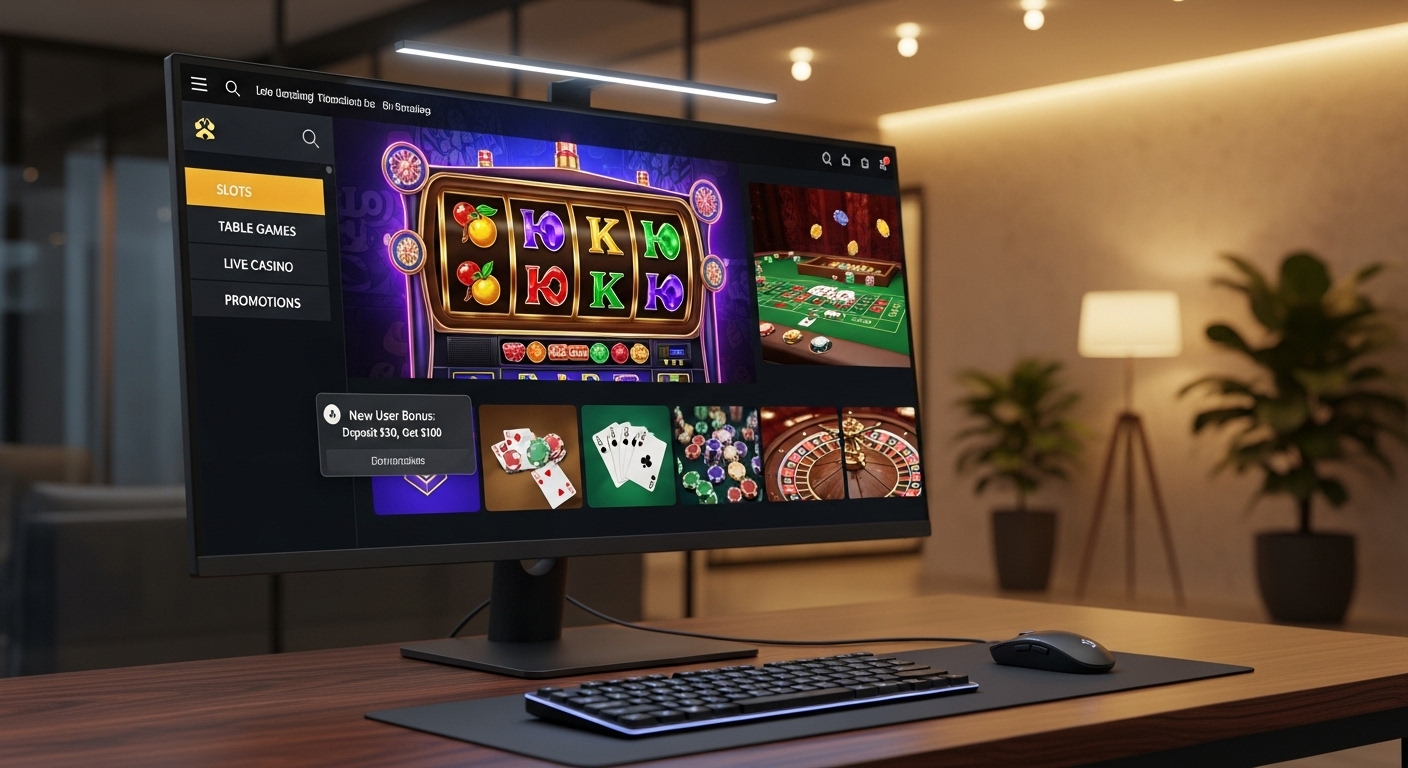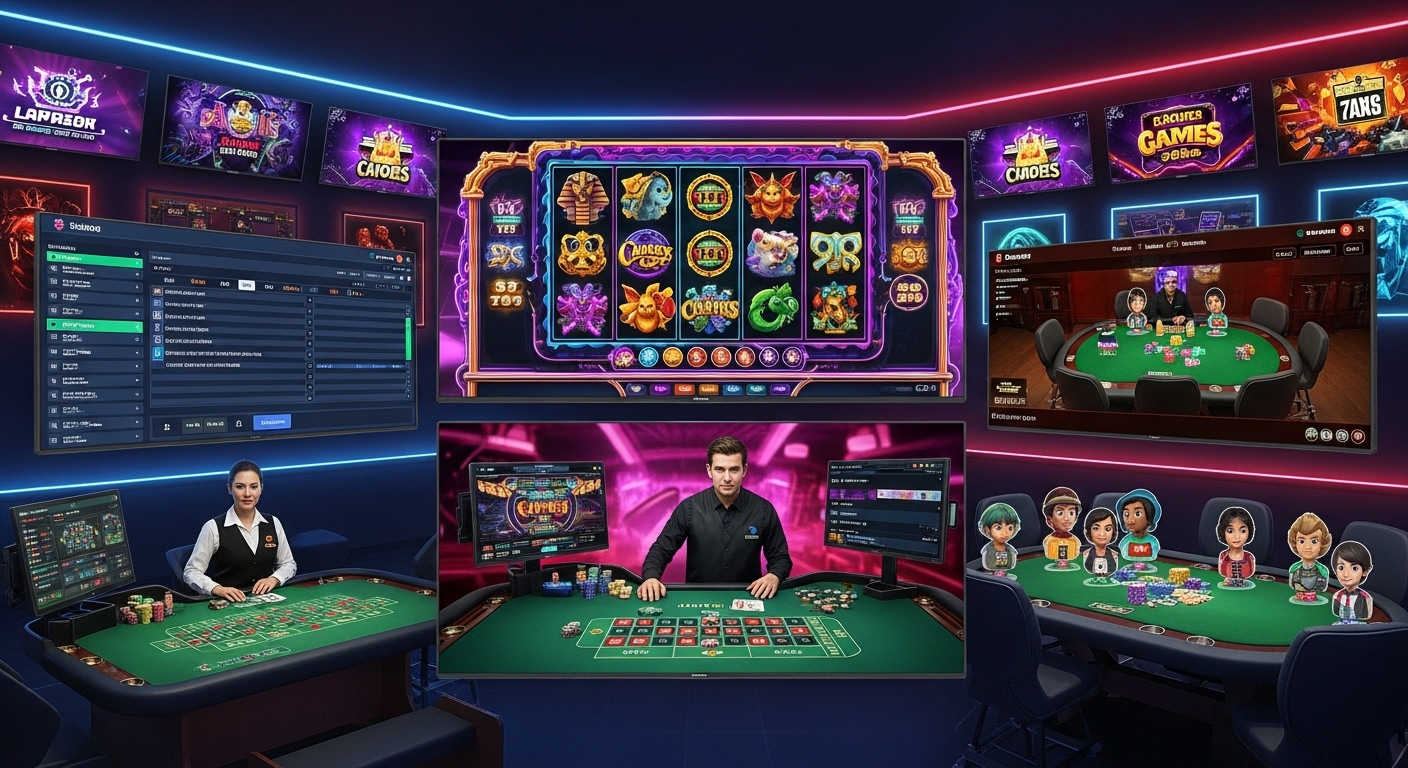

The world of gaming has evolved dramatically over the last few decades. While traditional video games dominated the market for years, a new phenomenon has emerged, blending technology, entertainment, and chance: iGaming. Short for “interactive gaming,” iGaming encompasses online casino games, poker, sports betting, and other digital gambling experiences. With advancements in technology, innovative game designs, and the growing popularity of mobile platforms, iGaming has become one of the fastest-growing segments in the entertainment industry.
The Rise of iGaming
iGaming has its roots in the early days of the internet, where enthusiasts first experimented with online poker and virtual casinos. What began as a niche hobby for tech-savvy users has now transformed into a multi-billion-dollar industry, accessible to players across the globe. One of the primary factors driving this growth is convenience. Unlike traditional casinos, iGaming platforms allow users to play anytime and anywhere, using computers, tablets, or smartphones. This accessibility has revolutionized the way people engage with gambling, making it a mainstream form of entertainment.
Technology Driving iGaming
Technology is at the heart of iGaming’s rapid evolution. Modern platforms leverage high-speed internet, sophisticated software, and secure payment systems to create seamless experiences for users. Artificial intelligence and machine learning are increasingly used to personalize gameplay, offering tailored recommendations based on a player’s preferences. Additionally, advanced algorithms ensure fair play by generating truly random outcomes in slot games, roulette, and other casino experiences. Virtual reality and augmented reality are also emerging trends, promising to immerse players in interactive casino environments from the comfort of their homes.
The Variety of Games
One of the key attractions of iGaming is the incredible variety of games it offers. Online casinos feature everything from classic card games like poker and blackjack to innovative slot machines with immersive storylines and 3D graphics. Sports betting has also become a major component of iGaming, allowing players to place wagers on football, basketball, esports, and other events in real time. Additionally, live dealer games simulate the atmosphere of a real casino, with professional dealers interacting with players via video streams. This diversity ensures that there is something for every type of player, regardless of skill level or interest.
The Role of Mobile Gaming
Mobile technology has further accelerated the growth of iGaming. Today, most platforms offer mobile-optimized websites or dedicated apps, allowing players to enjoy games on smartphones and tablets. Mobile gaming provides unmatched flexibility, letting users play while commuting, traveling, or relaxing at home. The convenience of mobile platforms has also attracted a younger demographic, making iGaming more mainstream and socially accepted. Push notifications, rewards, and in-app events enhance engagement, keeping players connected to the platform while offering new and exciting experiences.
Security and Fairness
One of the biggest concerns in iGaming is security. Players want to be confident that their personal information, financial transactions, and gameplay are protected. Modern iGaming platforms employ robust encryption technology to safeguard sensitive data. Regulatory authorities also play a critical role by enforcing strict licensing requirements, ensuring platforms operate fairly and transparently. Random number generators and third-party audits guarantee that games are not manipulated, giving players peace of mind. In essence, trust and transparency are central to sustaining the iGaming ecosystem.
Social Interaction in iGaming
Contrary to the misconception that iGaming is a solitary activity, social interaction is increasingly becoming part of the experience. Live dealer games, multiplayer poker tournaments, and community leaderboards foster a sense of connection among players. Chat features allow users to communicate with dealers and other players in real time, creating a shared experience similar to visiting a physical casino. Social elements enhance engagement and encourage players to participate actively, making iGaming not only about entertainment but also about forming virtual communities.
Gamification and Rewards
Gamification has transformed the way players interact with iGaming platforms. Many games include reward systems, achievement badges, and loyalty programs that incentivize continued participation. Players earn points, unlock new levels, and receive bonuses, creating a sense of accomplishment beyond mere financial winnings. This approach blends the thrill of gambling with the satisfaction of completing challenges, making the experience more engaging and immersive. By incorporating gamification, iGaming platforms keep users entertained while encouraging long-term loyalty.
Regulatory Landscape
The iGaming industry is heavily influenced by regulations that vary from country to country. Licensing, taxation, and legal restrictions shape how platforms operate and which games are available to players. Strict regulatory frameworks ensure that platforms maintain high standards of fairness, security, and responsible gaming. Additionally, many jurisdictions require operators to implement measures to prevent problem gambling, such as deposit limits, self-exclusion tools, and responsible gaming education. Navigating the regulatory landscape is complex, but it is essential for maintaining player trust and sustaining industry growth.
The Rise of Esports Betting
Esports, or competitive video gaming, has become a major sector within iGaming. Betting on esports events allows fans to engage with their favorite games and teams on a new level. Platforms offer wagers on match outcomes, tournament results, and in-game achievements, creating exciting opportunities for both casual and professional gamers. The growth of esports betting highlights the convergence of traditional sports betting and digital gaming, reflecting broader trends in entertainment consumption.
Responsible Gaming
As iGaming becomes more popular, responsible gaming practices are more important than ever. Platforms are increasingly focused on promoting safe and balanced gameplay. Tools like self-exclusion, deposit limits, and reality checks help players maintain control over their gambling habits. Additionally, awareness campaigns educate users about the risks of excessive gambling and encourage responsible behavior. Responsible gaming ensures that the industry remains sustainable, protecting both players and operators while fostering a positive reputation for iGaming.
The Future of iGaming
The future of iGaming promises continued innovation and expansion. Emerging technologies such as virtual reality, blockchain, and artificial intelligence will transform how players interact with games. Virtual reality casinos may provide fully immersive experiences, while blockchain technology could introduce new methods for secure transactions and digital ownership. Artificial intelligence may create more adaptive gameplay, predicting player behavior and offering personalized experiences. As technology evolves, iGaming will continue to blur the lines between entertainment, technology, and social interaction.
iGaming as a Cultural Phenomenon
Beyond the economic and technological aspects, iGaming has become a cultural phenomenon. It has influenced popular media, inspired tournaments and esports leagues, and created communities around shared interests. The rise of streaming platforms has amplified its reach, allowing players to watch and learn from others while participating in real-time games. iGaming has also fostered discussions about strategy, probability, and psychology, making it a topic of intellectual engagement as well as entertainment.
Challenges Facing the Industry
Despite its growth, iGaming faces several challenges. Regulatory compliance, cybersecurity threats, and ethical concerns about problem gambling remain significant issues. Competition among platforms is intense, driving operators to innovate constantly while maintaining ethical standards. Furthermore, the industry must address public perception and ensure that iGaming is seen as a legitimate form of entertainment rather than a harmful activity. Successfully navigating these challenges is critical to sustaining long-term growth.
Conclusion: Embracing the iGaming Era
iGaming represents one of the most dynamic sectors in modern entertainment. It combines technology, creativity, and chance to deliver experiences that are accessible, engaging, and immersive. From online casinos to esports betting, the industry continues to evolve, pushing the boundaries of what digital entertainment can achieve. As technology advances, platforms will become more personalized, interactive, and secure, providing players with experiences that were once unimaginable.
The iGaming revolution is not just about gambling; it is about innovation, social connection, and entertainment redefined. For players, developers, and enthusiasts alike, the possibilities are limitless. By embracing technology responsibly, promoting fair play, and focusing on user experience, iGaming is poised to remain a central part of the digital entertainment landscape for years to come.