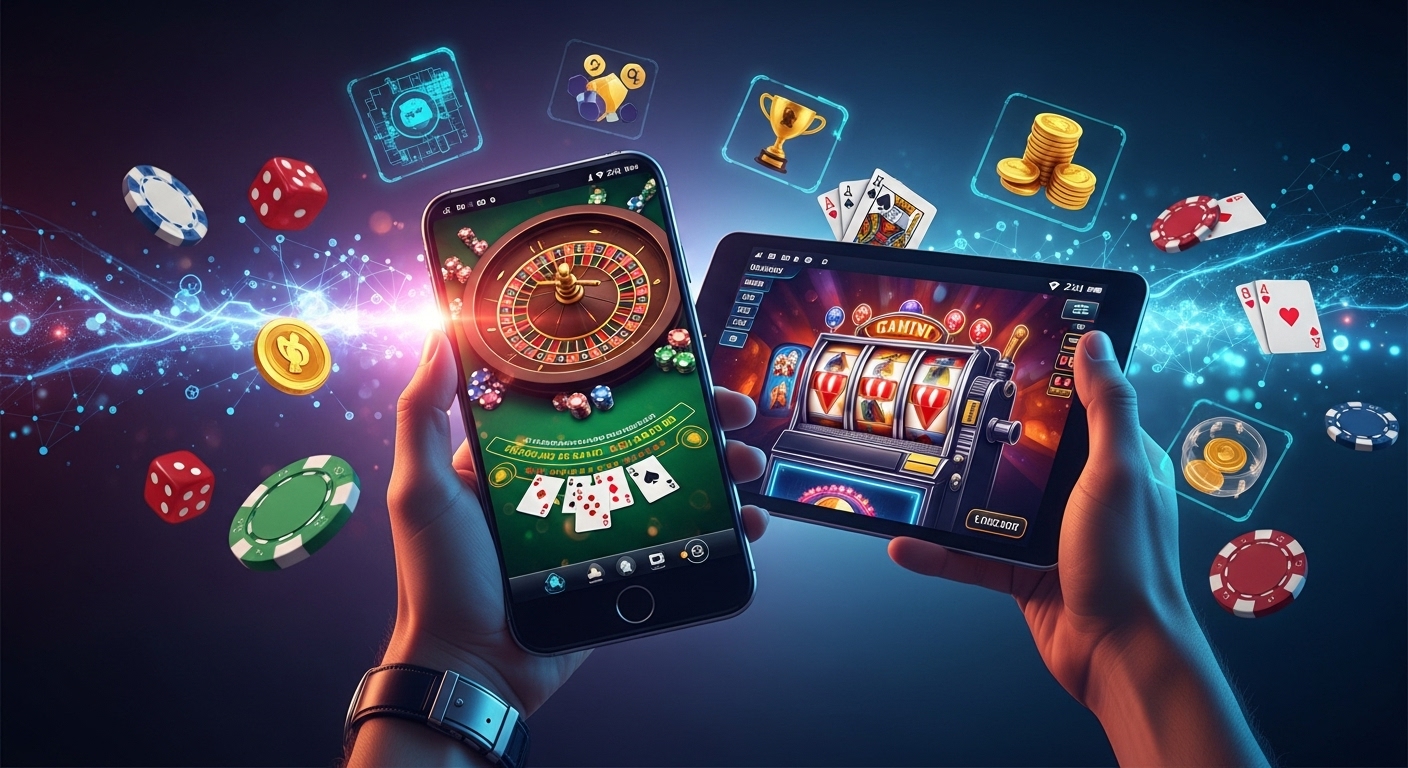

The world of entertainment has evolved dramatically over the past few decades. One of the most significant shifts has been the rise of iGaming, which refers to online gambling and betting activities that take place over the internet. From online casinos to sports betting, poker rooms, and virtual slots, iGaming has become a global phenomenon, transforming the way people engage with games of chance and skill. This blog post delves into the rise of iGaming, its impact on the entertainment industry, and the technological innovations that have made it one of the fastest-growing sectors worldwide.
What is iGaming?
iGaming is a broad term that encompasses all forms of online gambling and gaming activities. This includes online casinos, sports betting, online poker, bingo, and virtual games, among others. Essentially, iGaming allows players to engage in activities that were once confined to physical casinos or betting shops, but now from the comfort of their own homes—or anywhere with an internet connection.
The term “iGaming” emerged as a result of the convergence of the internet with traditional gambling. With advancements in internet technology, the accessibility and convenience of playing games of chance or skill online quickly captured the attention of millions of people around the world. Today, the iGaming industry generates billions of dollars annually, drawing in players from every corner of the globe.
The Early Days of Online Gambling
The history of online gambling dates back to the mid-1990s, a time when the internet was still in its infancy. The first online casino, InterCasino, was launched in 1996, offering a small but significant collection of virtual slot machines, card games, and roulette. This was a pivotal moment in the history of gambling, as it opened the doors to a new era of online entertainment.
Initially, online gambling was met with skepticism. Many players questioned the security of online transactions and whether digital games could match the excitement and authenticity of their land-based counterparts. However, advancements in technology soon alleviated these concerns. Secure payment systems were developed, allowing players to deposit and withdraw funds with confidence. Additionally, improved graphics and game design helped bridge the gap between virtual casinos and real-world gaming experiences.
By the late 1990s and early 2000s, the growth of online casinos and betting platforms accelerated. Websites like PokerStars and PartyPoker became household names, attracting millions of players eager to try their luck at poker. The development of online sports betting also took off, with platforms like Betfair and William Hill offering customers the ability to wager on a variety of sports events, from football to horse racing.
The Legal Landscape of iGaming
One of the most significant challenges for the iGaming industry has been the ever-changing legal landscape. The regulation of online gambling varies greatly from one country to another, and even within different states or regions of the same country. In some countries, online gambling is fully legal and regulated, while in others, it is prohibited or only permitted in certain circumstances.
In the United States, the legal status of online gambling has been particularly complex. For years, the Wire Act of 1961 made online sports betting illegal, but a 2018 Supreme Court ruling overturned this ban, paving the way for states to regulate sports betting individually. Since then, several states have legalized sports betting, and the number of states that allow online casinos and poker has also grown. However, each state continues to regulate online gambling differently, meaning the legal environment remains fluid and ever-evolving.
In contrast, many countries in Europe have long had clear regulations in place for online gambling. The United Kingdom, for example, has a well-established regulatory framework, with the UK Gambling Commission overseeing the industry. Similarly, countries like Malta, Spain, and Italy have established licenses and rules that ensure players are protected and that operators adhere to strict standards of fairness and transparency.
The Rise of Mobile iGaming
In recent years, the rise of mobile devices has further revolutionized the iGaming industry. The development of smartphones and tablets equipped with high-speed internet and powerful processors has made it easier than ever for people to access their favorite gambling platforms on the go. Mobile iGaming, which refers to online gambling on mobile devices, has become one of the fastest-growing segments of the industry.
Mobile apps for casinos, poker rooms, and sportsbooks now offer full-functionality versions of their desktop counterparts, allowing players to play a wide range of games—from slots to table games like blackjack, roulette, and baccarat. Mobile platforms also allow players to place bets on sports events, join poker tournaments, and even participate in live dealer games—all from the palm of their hands.
The convenience of mobile gaming has attracted a younger demographic of players who prefer the flexibility of gaming on their smartphones. Mobile gaming also appeals to people who want to fit a few minutes of gameplay into their busy schedules, making it an ideal form of entertainment for those on the go.
Technological Innovations Driving iGaming
One of the most exciting aspects of iGaming is how technology continues to push the boundaries of what is possible in online gambling. Innovations such as live dealer games, virtual reality (VR), augmented reality (AR), and artificial intelligence (AI) are making the iGaming experience more immersive, engaging, and personalized.
Live Dealer Games
Live dealer games have become one of the most popular innovations in iGaming. Unlike traditional virtual casino games, which use random number generators (RNGs) to determine outcomes, live dealer games feature real human dealers who interact with players in real-time via video streaming. These games include classics like blackjack, baccarat, and roulette, and players can engage with the dealers and other players just as they would in a land-based casino.
The introduction of live dealer games has enhanced the authenticity of online gambling, creating a more social and interactive experience. Players can chat with the dealer and other participants, making the experience feel much more like a real casino.
Virtual Reality and Augmented Reality
Virtual reality (VR) and augmented reality (AR) are pushing the boundaries of immersive gaming in iGaming. VR technology allows players to fully immerse themselves in a virtual casino environment where they can interact with objects, dealers, and other players using VR headsets and controllers. Imagine walking around a virtual casino, sitting at a poker table, and playing with chips—all in a fully realized 3D world. This kind of experience is no longer science fiction but a rapidly growing part of the iGaming industry.
Similarly, augmented reality (AR) overlays digital elements onto the real world, offering exciting opportunities for hybrid gaming experiences. For example, players could use AR glasses to interact with digital slot machines or poker tables in their physical environment, blurring the lines between the real and virtual worlds.
Artificial Intelligence (AI)
Artificial intelligence is becoming a key player in the iGaming industry. AI is being used to personalize player experiences, optimize game recommendations, and ensure fairness and security. For example, AI can analyze player behavior and recommend games based on their preferences and past play history.
Additionally, AI is playing a significant role in fraud detection and security. Machine learning algorithms can identify suspicious patterns of activity, such as collusion in poker games or fraudulent betting in sports betting, helping to protect both operators and players from dishonest behavior.
The Social and Cultural Impact of iGaming
The rise of iGaming has not only transformed the entertainment landscape but has also had significant social and cultural implications. One of the most important impacts has been the development of online gambling communities. Players from all over the world can now interact, share experiences, and build friendships in virtual environments.
Esports betting, in particular, has helped to bridge the gap between traditional sports fans and the gaming community. Esports tournaments have become massive events, drawing millions of viewers and sparking a new form of online sports betting. Fans can now wager on the outcomes of video game competitions, adding another layer of excitement to the esports world.
Additionally, the social aspect of iGaming has led to the development of a new type of entertainment culture. Many online platforms offer social features, such as chat rooms, leaderboards, and tournaments, allowing players to compete against friends or strangers in a community-driven environment. This has contributed to the gamification of social interaction, with players sharing their successes, strategies, and experiences online.
However, the rapid growth of iGaming has also raised concerns about responsible gambling and its potential negative social impacts. Issues such as gambling addiction and underage gambling have become important topics of discussion within the industry. Many iGaming platforms now implement responsible gaming measures, including self-exclusion tools, age verification, and links to support services for individuals who may be struggling with gambling problems.
The Future of iGaming
The iGaming industry is poised for continued growth and innovation. With advancements in technology, evolving regulations, and shifting consumer preferences, the future of iGaming looks incredibly promising. As VR and AR technologies mature, immersive gaming experiences will become even more realistic, allowing players to engage with virtual environments in ways that were previously unimaginable.
The continued expansion of mobile gaming, along with the increasing popularity of esports betting and live dealer games, suggests that iGaming will become an even more central part of the entertainment landscape in the coming years. With the rise of new payment methods, including cryptocurrencies and blockchain technology, the industry will also become more accessible and secure for players around the world.
In conclusion, iGaming is a rapidly evolving industry that has reshaped the world of online entertainment. From its humble beginnings in the 1990s to its current status as a global multi-billion-dollar industry, iGaming has captured the imagination of millions of players worldwide. With ongoing technological innovations and the increasing social integration of online gaming, the future of iGaming is set to be as exciting and dynamic as the games themselves.