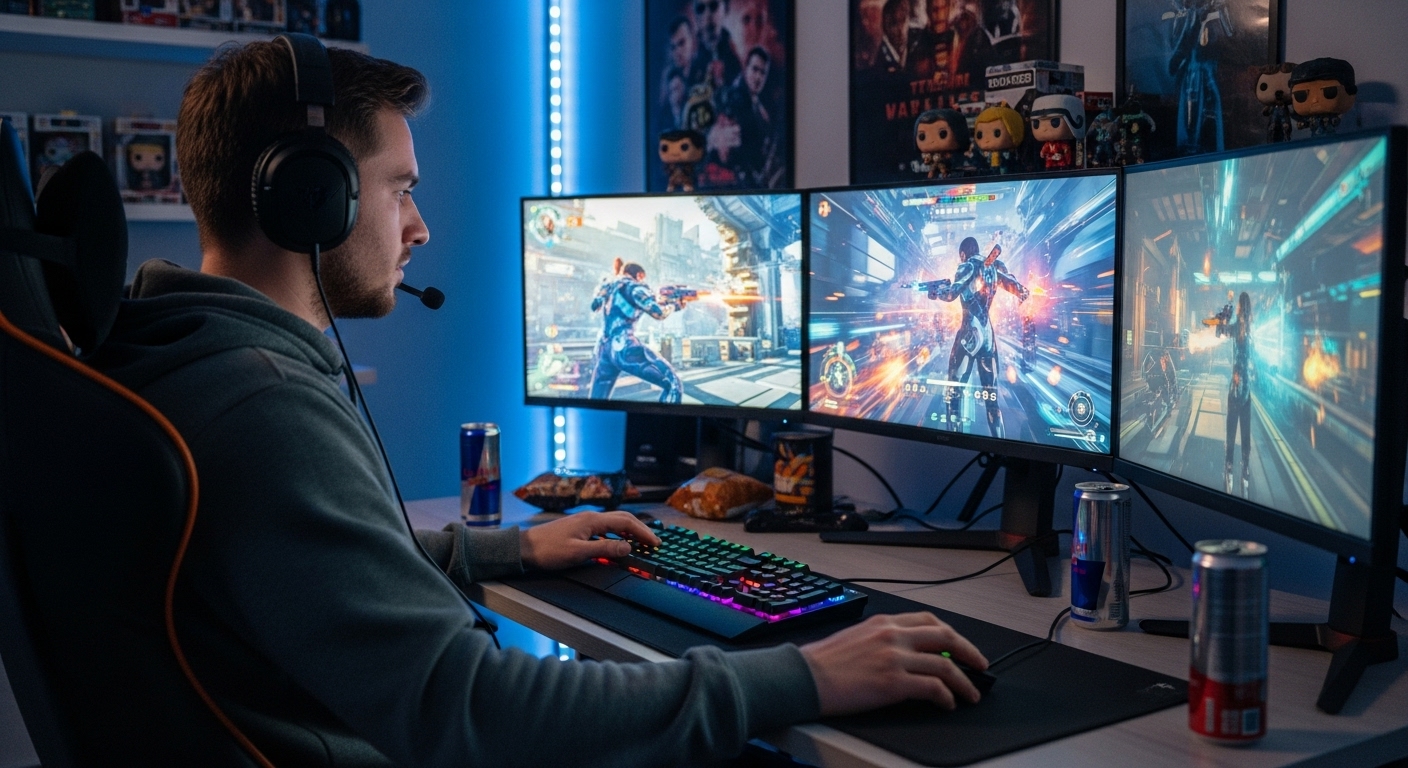
Sleep is one of the most underrated aspects of human health, yet it plays a crucial role in every area of our lives—especially when it comes to performance and cognitive function. In the world of esports, where players compete at the highest levels of mental and physical precision, sleep becomes a critical factor that can determine victory or defeat. While esports athletes often focus on practice schedules, strategy development, and mechanical skills, many underestimate how deeply their sleep patterns affect their gameplay, reaction times, decision-making, and overall well-being.
In this comprehensive blog, we will explore the connection between sleep and esports performance, diving into how rest impacts reaction time, focus, emotional stability, and long-term career success. We will also discuss common sleep issues among gamers and provide strategies to optimize sleep for peak performance.
The Importance of Sleep for Esports Athletes
Sleep is not just a passive activity; it is a vital process that allows the brain and body to recover and regenerate. During sleep, the brain consolidates memories, processes information, and repairs neural pathways that have been stressed during waking hours. For esports athletes, who rely heavily on cognitive performance, reaction time, and fine motor skills, this recovery period is indispensable.
When a gamer sleeps, the brain strengthens the neural connections formed during gameplay and practice sessions. This means that the strategic patterns, reflexes, and skills learned during training are reinforced during rest. Without adequate sleep, these neural pathways may weaken, leading to slower performance and reduced learning retention.
In traditional sports, athletes know the importance of recovery for muscle growth and coordination. Similarly, in esports, sleep serves as the recovery phase for the brain. Without it, even the most talented players will find themselves unable to perform at their full potential.
How Sleep Impacts Reaction Time and Reflexes
Reaction time is one of the most critical skills in competitive gaming. Whether it’s landing a precise headshot, dodging an incoming attack, or executing a combo at the perfect moment, the milliseconds of response time can make or break a match. Sleep deprivation directly affects this ability.
Studies on sleep and cognitive performance show that lack of sleep can slow reaction times as much as alcohol consumption. A gamer who has been awake for 20 hours performs similarly to someone with a blood alcohol content of 0.08%, which is the legal limit for intoxication in many countries. This means that sleep deprivation can significantly impair a player’s reflexes, coordination, and accuracy.
Furthermore, reaction time is not just about speed; it is also about precision. A tired brain struggles to process multiple pieces of information simultaneously, which can lead to missed cues, delayed movements, and poor timing. Over time, this cumulative fatigue can turn a skilled player into a less effective competitor, regardless of practice hours.
The Cognitive Benefits of Quality Sleep
Esports requires a sharp mind capable of processing large amounts of information quickly and accurately. Every match involves split-second decisions, multitasking, and strategic planning. These cognitive functions are all heavily dependent on adequate sleep.
Sleep enhances concentration, memory, and problem-solving skills. During the deep and REM stages of sleep, the brain organizes and consolidates the day’s experiences, allowing players to retain strategies and improve gameplay. REM sleep, in particular, is essential for creativity and learning—two qualities that set great players apart from good ones.
A well-rested gamer is more capable of reading the game, predicting opponents’ movements, and making tactical adjustments on the fly. On the other hand, sleep deprivation leads to poor focus, increased errors, and decreased situational awareness. Players who consistently lack sleep may find themselves struggling to stay engaged, missing critical moments in the game, or making rash decisions under pressure.
Emotional Stability and Stress Management
One of the most overlooked aspects of sleep in esports is its impact on emotional regulation. Competitive gaming is mentally taxing, filled with moments of intense pressure, frustration, and adrenaline. Managing emotions effectively can be the difference between maintaining composure and losing control mid-match.
Sleep helps regulate mood and stress by balancing the production of hormones such as cortisol and serotonin. When gamers are sleep-deprived, their emotional control weakens, leading to irritability, anxiety, and frustration. This emotional volatility can disrupt communication with teammates, decrease morale, and increase the likelihood of burnout.
Additionally, sleep deprivation amplifies the body’s stress response. Gamers who do not sleep enough often feel more nervous before competitions and struggle to calm down during high-pressure situations. Over time, this heightened stress can contribute to mental fatigue and reduced enjoyment of the game.
Maintaining a healthy sleep routine allows esports athletes to remain composed under pressure, communicate effectively with teammates, and recover mentally after long hours of gameplay.
The Link Between Sleep and Physical Health in Gamers
Although esports may seem purely mental, physical health also plays a vital role in a player’s performance. Long hours of sitting, screen exposure, and irregular schedules can negatively affect a gamer’s physical well-being, and inadequate sleep only makes these issues worse.
Sleep deprivation weakens the immune system, making players more prone to illness. It also affects metabolism, leading to increased cravings for unhealthy food and weight gain. For professional gamers who travel for tournaments or stream for long hours, maintaining a consistent and healthy routine is already challenging. Adding poor sleep to the mix can quickly lead to fatigue, muscle tension, and even long-term health problems.
Furthermore, sleep plays a key role in the regulation of motor coordination and muscle memory. Gamers who sleep poorly may experience hand-eye coordination issues, slower movements, and reduced dexterity—all crucial aspects of competitive gaming.
The Consequences of Sleep Deprivation in Esports
In the short term, missing a few hours of sleep might seem harmless, but for esports athletes, the consequences can be severe and far-reaching. Chronic sleep deprivation can lead to decreased motivation, impaired judgment, slower reflexes, and lower mental endurance.
In team-based games, such as League of Legends or Counter-Strike, a tired player can drag down the entire team. Communication errors, slow reactions, and emotional instability can create tension among teammates, leading to decreased synergy and performance.
Over time, chronic sleep deprivation can also lead to burnout—a serious problem in the esports community. Burnout manifests as exhaustion, loss of interest in the game, and reduced motivation to practice. It can end promising careers prematurely and take months or even years to recover from.
Sleep-deprived players also have a higher risk of developing anxiety and depression, both of which can severely impact performance and quality of life. Therefore, managing sleep should be treated as a core part of every esports athlete’s training regimen.
Sleep Patterns and Gaming Schedules
One of the biggest challenges for professional gamers is maintaining a consistent sleep schedule. Many esports players practice late into the night or stream for long hours, often into the early morning. Tournament schedules that involve travel and time zone changes can further disrupt natural sleep cycles.
Irregular sleep patterns confuse the body’s internal clock, known as the circadian rhythm. This can lead to difficulty falling asleep, staying asleep, or waking up refreshed. The blue light emitted by screens also suppresses melatonin production, the hormone responsible for regulating sleep.
To counteract these effects, esports athletes should create structured routines that prioritize rest. Consistent bedtimes, reduced screen exposure before sleep, and a relaxing nighttime ritual can help the body prepare for rest. Sleep consistency is far more important than simply “catching up” on weekends, as irregular sleep can still leave the brain and body fatigued.
Strategies for Improving Sleep Quality in Esports
Improving sleep doesn’t just mean sleeping longer—it means sleeping better. Here are several strategies that esports athletes can use to enhance their sleep quality and boost their in-game performance.
1. Establish a Regular Sleep Schedule:
Go to bed and wake up at the same time every day, even on weekends. This helps regulate the body’s internal clock and improves overall sleep quality.
2. Create a Relaxing Pre-Sleep Routine:
Avoid intense gaming or stimulating activities right before bed. Instead, unwind with quiet music, stretching, or meditation to signal the brain that it’s time to rest.
3. Limit Screen Time Before Bed:
Reduce exposure to blue light by avoiding screens at least 30 minutes before sleeping. If this is difficult, use blue light filters or wear blue light blocking glasses.
4. Optimize the Sleep Environment:
A dark, cool, and quiet room promotes deeper sleep. Invest in a comfortable mattress, blackout curtains, and limit noise disruptions.
5. Avoid Stimulants Before Sleep:
Caffeine, energy drinks, and sugary snacks can interfere with the ability to fall asleep. Avoid consuming them at least 4–6 hours before bedtime.
6. Prioritize Physical Activity:
Incorporating light exercise or stretching during the day can improve sleep quality and reduce restlessness at night.
7. Manage Stress and Mental Fatigue:
Meditation, breathing exercises, or journaling can help calm the mind before sleep. Managing stress effectively contributes to better rest and improved mental clarity.
The Role of Sleep in Tournament Preparation
Before a major tournament, players often focus heavily on last-minute practice, strategy reviews, and scrims. However, the night before a competition is not the time to sacrifice sleep for more training. Fatigue from lack of rest can impair judgment, reduce focus, and increase the risk of mistakes during matches.
Proper sleep before a tournament ensures that the brain is sharp, reflexes are fast, and decision-making is clear. Many professional coaches now emphasize the importance of rest as much as training, ensuring that players have a structured pre-tournament sleep plan.
Even during tournaments, where schedules can be demanding, maintaining at least 7 to 8 hours of sleep can help sustain focus across multiple days of competition. Players who neglect rest may find their performance declining toward the end of the event, losing the mental endurance necessary for high-stakes play.
Sleep as a Competitive Advantage
In an environment where every millisecond counts, sleep can become a secret weapon. Just as physical athletes focus on diet, hydration, and recovery, esports athletes can use sleep optimization as a competitive advantage. A well-rested mind is more adaptable, creative, and emotionally stable.
Teams that integrate sleep science into their training can outperform others in consistency and focus. Some professional organizations even employ sleep coaches or sports psychologists to monitor player health, optimize schedules, and educate them about rest. These teams understand that sustainable success in esports is not just about mechanical skill, but about mental resilience and recovery.
By prioritizing sleep, players can train smarter, learn faster, and perform longer. It can be the key factor that transforms a good player into a champion.
The Future of Sleep and Esports Science
As esports continues to evolve into a professional, data-driven industry, more attention is being given to player health and performance optimization. Sleep science is becoming an integral part of esports training programs, with teams investing in wearable sleep trackers, recovery rooms, and personalized sleep regimens.
The growing recognition of sleep’s importance will lead to healthier and more sustainable careers for esports athletes. Just like traditional sports teams monitor heart rate, nutrition, and recovery times, esports organizations will increasingly track sleep quality to maintain peak performance.
As the science develops, the understanding of how sleep influences cognitive and emotional aspects of gaming will deepen, helping players reach new heights of performance and longevity in their careers.
Conclusion
Sleep is far more than a basic biological need—it is a cornerstone of peak esports performance. From enhancing reaction time and concentration to stabilizing emotions and improving physical health, the benefits of quality sleep are undeniable. Yet, in a world that celebrates endless practice and long streaming sessions, many players overlook the power of rest.
For esports athletes who want to reach their full potential, prioritizing sleep is not optional—it is essential. A rested mind learns faster, reacts quicker, and performs more consistently under pressure. As the esports industry continues to grow and professionalize, those who understand the value of recovery will gain a powerful edge over their competition.