
Introduction
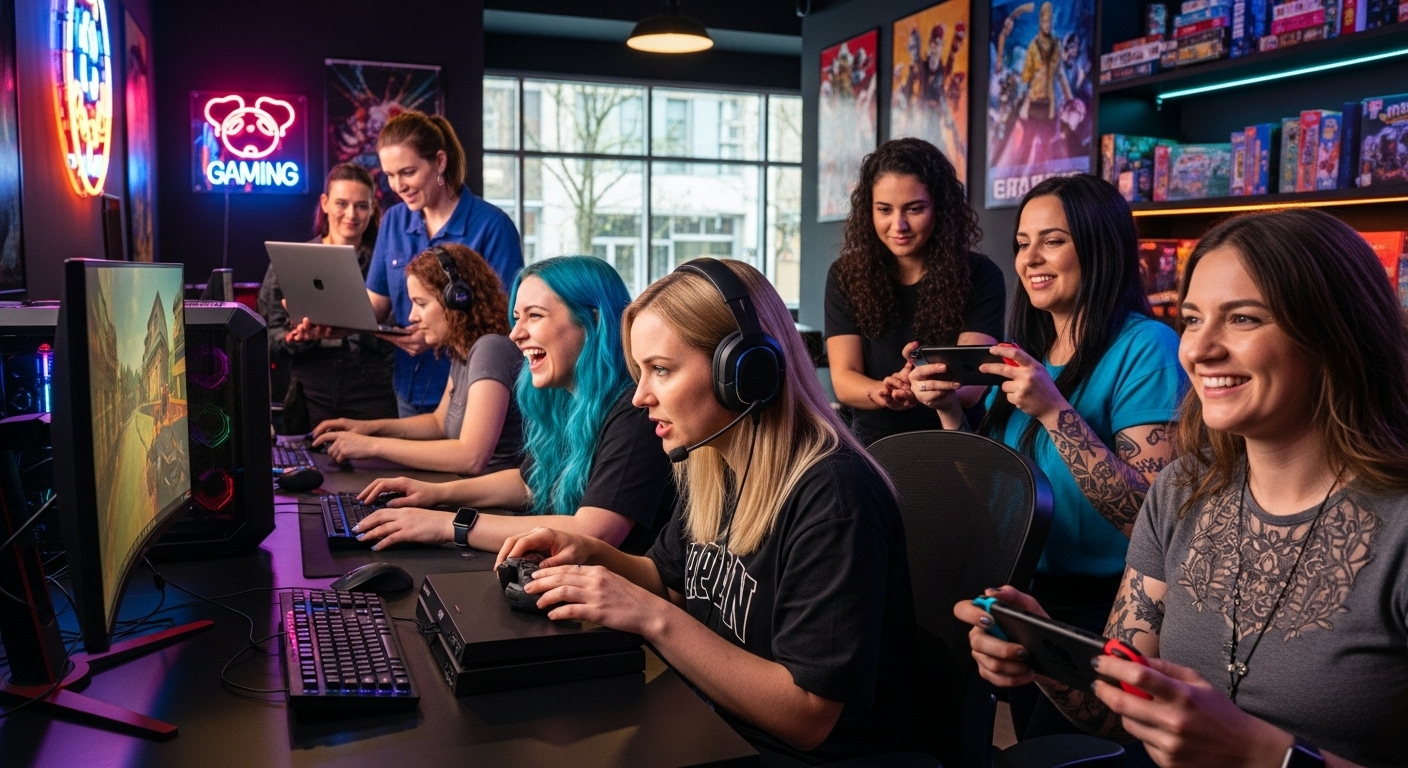
Competitive gaming, or esports, has grown from small local tournaments to a global industry worth billions. Titles like League of Legends, Dota 2, and Counter-Strike: Global Offensive attract millions of viewers, professional players, and sponsorships. Esports is not just about playing games; it’s a cultural, economic, and technological force shaping modern gaming.
This blog will explore the rise of competitive gaming, key tournaments, player careers, and the future of esports.
The History of Competitive Gaming
Early Days
- 1972: The first known video game competition at Stanford University (Spacewar!).
- 1980s–1990s: Arcades hosted tournaments; games like Street Fighter and Mortal Kombat became competitive staples.
Modern Esports Emerges
- 2000s: South Korea popularized esports with StarCraft competitions.
- 2010s: Streaming platforms like Twitch created global visibility.
Popular Esports Games
- League of Legends (LoL) – MOBA with annual World Championships.
- Dota 2 – Known for its International tournament and massive prize pools.
- Counter-Strike: Global Offensive (CS:GO) – Tactical FPS with competitive leagues.
- Fortnite – Battle royale esports with massive prize events.
- Call of Duty and Overwatch – Console-focused competitive games.
Esports Tournaments and Leagues
- The International (Dota 2) – Multi-million dollar prize pool.
- League of Legends World Championship – Global finals with tens of millions of viewers.
- CS:GO Majors – Prestigious annual tournaments.
- Fortnite World Cup – Focused on younger audiences with massive online engagement.
The Life of a Professional Gamer
- Training Regimens – 6–10 hours per day of practice, teamwork, and strategy.
- Team Dynamics – Communication and synergy are crucial.
- Mental Health – Pressure, burnout, and stress management are significant factors.
- Sponsorships and Revenue – Earnings from salaries, prize money, streaming, and merchandise.
Esports as a Business
- Sponsorship Deals – Brands invest in teams, tournaments, and events.
- Media Rights – Streaming platforms pay for exclusive coverage.
- Merchandise – Jerseys, collectibles, and branded content generate revenue.
Challenges Facing Esports
- Regulation and Fair Play – Cheating, match-fixing, and toxicity.
- Career Longevity – Players peak early; retirement happens younger than in traditional sports.
- Global Inequalities – Some regions lack infrastructure and investment.
The Future of Esports
- Mobile Esports Growth – Particularly in Asia and developing regions.
- VR and AR Competitive Games – Immersive competitive experiences on the rise.
- Mainstream Acceptance – Colleges and professional leagues recognize esports formally.
- Technological Integration – AI coaching, performance analytics, and cloud-based tournaments.
Conclusion
Esports has evolved from niche competitions to a global phenomenon with cultural, economic, and social impact. Competitive gaming is here to stay, shaping the future of gaming, technology, and entertainment.