Introduction: The Rise of iGaming
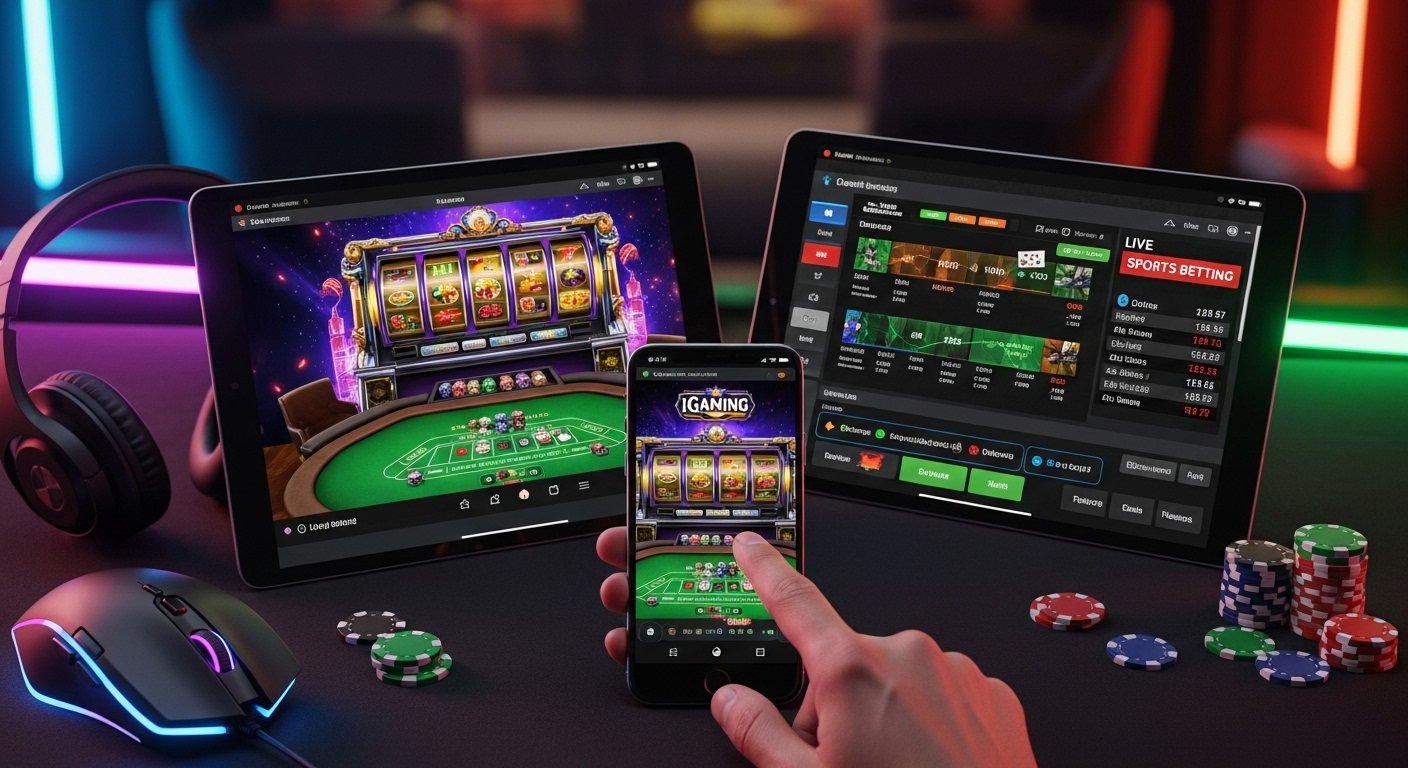
In the ever-evolving digital age, the entertainment landscape has transformed dramatically. One of the most significant shifts has occurred in the world of gaming and gambling, where the term “iGaming” has emerged as a dominant force. iGaming refers to the act of engaging in gambling activities through the internet. This expansive sector encompasses online casinos, sports betting, virtual poker, online bingo, and much more. The global iGaming industry has seen explosive growth, thanks to advancements in technology, the proliferation of mobile devices, and the increasing popularity of online gaming platforms.
But what exactly is iGaming, and why has it become so popular? In this blog post, we will explore the concept of iGaming, its evolution, the key types of games available, its impact on the gambling industry, and the future of online gambling.
What is iGaming? A Simple Definition
iGaming, at its core, refers to any gambling activity that takes place over the internet. Unlike traditional forms of gambling that occur in physical casinos or betting shops, iGaming enables players to enjoy casino games, place sports bets, play poker, and engage in other gambling activities from the comfort of their own homes. It involves real money gambling, where players stake money on various games of chance or skill, and the stakes can range from pennies to large sums.
The key feature of iGaming is that it takes place on online platforms, accessible through web browsers or dedicated mobile apps. This accessibility, combined with a wide range of gaming options, has made iGaming an incredibly popular pastime worldwide.
The Evolution of iGaming: From Land-Based Casinos to Digital Platforms
The journey of iGaming can be traced back to the mid-1990s when the first online casinos were launched. In the early days, the technology was rudimentary, and the user experience was far from smooth. However, the potential of offering gambling online was clear, and it didn’t take long for the industry to evolve.
The first online casino, known as “InterCasino,” opened its virtual doors in 1996, allowing players to engage in casino-style games like blackjack, roulette, and slots for the very first time from their computers. Shortly thereafter, other operators began to set up online casinos, and the industry grew rapidly.
The late 1990s and early 2000s saw the introduction of new innovations such as the development of secure payment methods (like credit cards and e-wallets), which enabled safer and faster transactions for players. In 2003, Microgaming launched the first live dealer casino, bringing a more immersive and interactive experience to players who could now interact with real dealers via live video feeds.
By the mid-2010s, mobile gaming began to dominate. The rise of smartphones and tablets brought gambling into players’ pockets, giving them the freedom to enjoy their favorite games from anywhere, at any time. With the launch of mobile-optimized sites and apps, iGaming became more accessible than ever before.
Types of iGaming: Exploring the Various Gaming Options
iGaming encompasses a wide range of gambling activities, each with its own set of rules, strategies, and appeal. Let’s take a closer look at the main types of iGaming platforms and games that are available today:
1. Online Casinos
Online casinos are perhaps the most well-known form of iGaming. They offer players a digital version of traditional casino games like poker, roulette, blackjack, baccarat, and slots. These games are powered by Random Number Generators (RNGs) to ensure fairness. Many online casinos also feature live dealer games, where players can interact with real-life dealers through a live video stream.
The online casino market is vast, with thousands of different games available across various platforms. Slot machines are particularly popular, with a wide array of themes, payout structures, and bonus features. Table games like blackjack and roulette, as well as video poker, remain staples in the online casino world.
2. Sports Betting
Sports betting is another major segment of the iGaming industry. It allows players to wager on the outcomes of real-world sports events such as football, basketball, soccer, horse racing, and more. With the advent of online sports betting, fans can now place bets on games happening anywhere around the globe, often in real-time.
Sports betting platforms also provide various betting options, including moneyline bets, point spreads, prop bets, and live in-play betting. The convenience of mobile apps has made sports betting increasingly popular, especially during major events like the Super Bowl, World Cup, and the Olympics.
3. Online Poker
Poker has been a favorite pastime for centuries, and the rise of online platforms has made it more accessible than ever before. Online poker rooms allow players to participate in cash games, tournaments, and sit-and-go events from the comfort of their own homes.
Poker games such as Texas Hold’em, Omaha, and Seven-Card Stud are the main offerings, with variations of these games also available. The competitive nature of online poker, coupled with the opportunity to win big, has drawn millions of players worldwide.
4. Virtual Sports
Virtual sports are simulated sports events that use random number generation (RNG) and computer algorithms to create virtual games based on real-world sports like football, basketball, and horse racing. While these events are not real, they closely mimic the structure of actual sports events, allowing players to place bets on outcomes and enjoy a fast-paced gaming experience.
Virtual sports betting has gained popularity due to its instant gratification factor. Unlike traditional sports betting, where players have to wait for actual games to finish, virtual sports events are completed in a matter of minutes, making it ideal for players who want quick results.
5. Bingo and Lottery Games
Bingo and lottery games are staple offerings in the iGaming world. Online bingo sites provide various versions of the game, where players can buy tickets, join virtual rooms, and try their luck with numbers. Online lotteries allow players to purchase tickets and enter national or international lotteries without having to leave their homes.
These games have gained a loyal following due to their simplicity and social nature. Online bingo often incorporates chat rooms, allowing players to interact and form communities, while lottery players can enjoy the thrill of potentially winning large jackpots.
The Benefits of iGaming: Why Players Are Flocking to Online Platforms
The surge in iGaming’s popularity can be attributed to several key benefits that online gambling platforms offer over traditional brick-and-mortar casinos. Let’s explore some of the main reasons why players are flocking to iGaming sites:
1. Convenience and Accessibility
One of the biggest advantages of iGaming is the convenience it offers. Players can enjoy their favorite casino games, poker tournaments, or sports betting events from anywhere in the world, 24/7. All they need is an internet connection and a device to access the gaming platform.
Mobile gaming has further enhanced this benefit, as players can gamble on the go using smartphones and tablets. This accessibility has made iGaming especially appealing to a younger demographic that values flexibility and convenience.
2. Variety of Games and Betting Options
iGaming platforms offer a wide variety of games and betting options, making it easy for players to find something that suits their preferences. Whether you’re a fan of classic table games, a slots enthusiast, or someone who enjoys the strategic nature of poker, there’s something for everyone in the online gambling world.
Additionally, online casinos and sportsbooks often feature innovative games with unique mechanics, bonus rounds, and payout structures that aren’t typically available at traditional casinos.
3. Bonuses and Promotions
Many online gambling platforms offer enticing bonuses and promotions to attract new players and retain existing ones. These can range from welcome bonuses, free spins, and loyalty rewards to no-deposit bonuses and referral incentives. Such promotions provide players with extra value and more opportunities to win, making iGaming even more attractive.
4. Security and Safety
Reputable iGaming platforms invest heavily in security measures to protect players’ personal and financial information. Advanced encryption technologies ensure that transactions and data are safe from cyber threats. Furthermore, many licensed platforms are regulated by gaming authorities, which ensures fair play and responsible gambling practices.
The Future of iGaming: Trends to Watch
The iGaming industry is still evolving, and several exciting trends are emerging that will shape the future of online gambling:
1. Virtual Reality (VR) and Augmented Reality (AR)
Virtual reality and augmented reality technologies are poised to revolutionize the iGaming experience. With VR headsets, players will be able to immerse themselves in 3D virtual casinos, interact with dealers and other players, and experience a more realistic gambling environment. AR, on the other hand, will enhance games by overlaying digital elements onto the real world.
2. Cryptocurrency and Blockchain Integration
Cryptocurrencies like Bitcoin and Ethereum are making their way into the iGaming sector. Some online casinos already accept cryptocurrencies as payment methods, and blockchain technology is being explored for its potential to enhance transparency, fairness, and security in online gambling.
3. Live Dealer Games and Interactive Features
The demand for live dealer games is on the rise, as players seek more authentic, interactive experiences. The future of iGaming will likely see further improvements in live casino offerings, with higher-quality streams, better integration of social features, and enhanced player-dealer interactions.
4. AI and Personalization
Artificial intelligence will play a key role in personalizing the iGaming experience. AI algorithms will help platforms tailor recommendations based on players’ preferences, gaming history, and betting patterns. This could lead to more customized promotions, personalized gameplay, and better overall user experiences.