
The iGaming industry has emerged as one of the most vibrant sectors in digital entertainment. Over the past decade, online gaming has evolved from a niche hobby to a global multi-billion-dollar industry. Today, players from all around the world log into websites and apps to try their luck at online casinos, place sports bets, or engage in competitive video games. But what exactly makes iGaming so popular, and how has it managed to capture the attention of millions? In this blog post, we’ll dive deep into the world of iGaming, examining its rise, trends, challenges, and what the future holds for this rapidly growing industry.
What is iGaming?
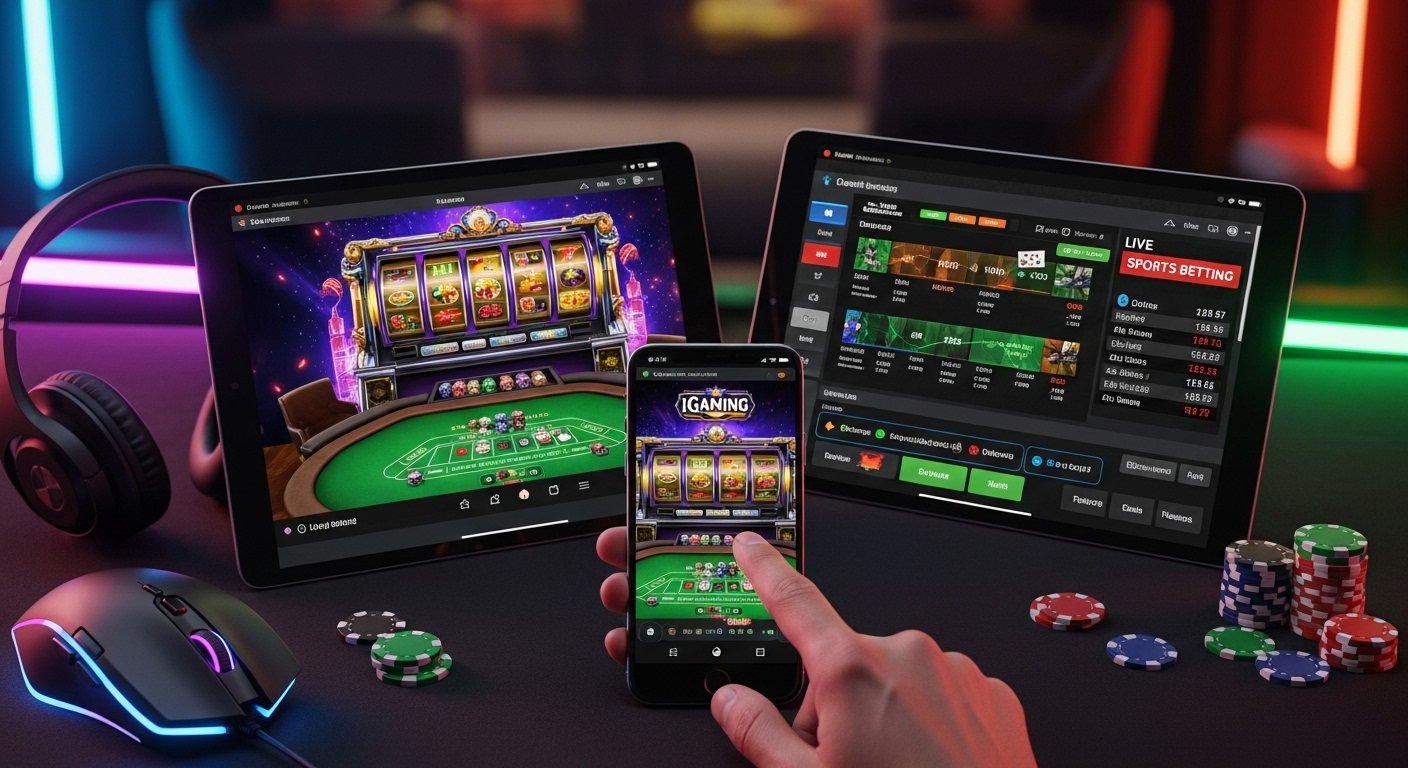
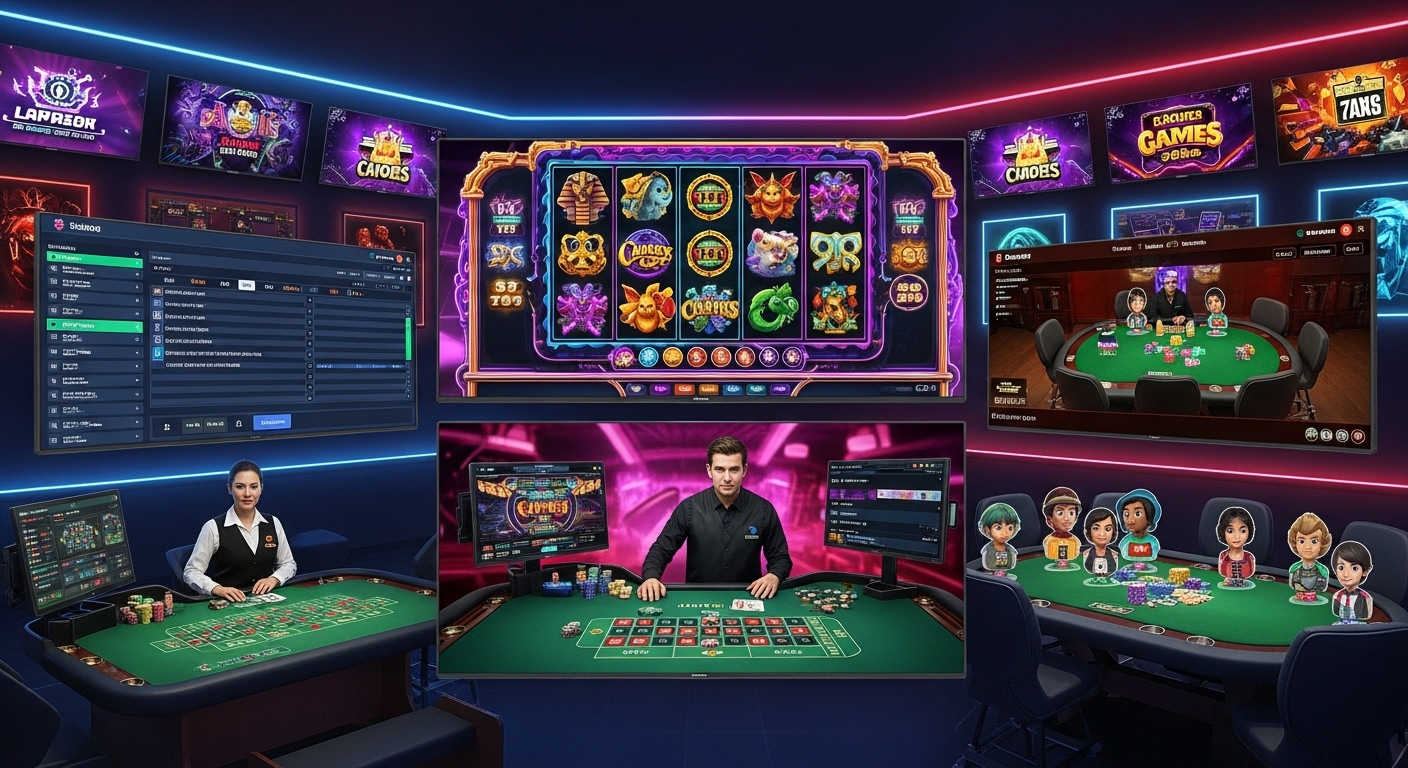
iGaming refers to interactive gaming, gambling, or betting that is done over the internet. It includes a wide array of gaming activities such as online casino games (slots, poker, blackjack, roulette), sports betting, fantasy sports, and even newer markets like eSports betting. The beauty of iGaming is its accessibility; players can enjoy a variety of gaming experiences right from the comfort of their homes, or even on the go, thanks to mobile platforms.
iGaming platforms often provide both real-money and free-to-play options. While some players engage with these platforms for fun, others seek the thrill of placing real-money bets on their favorite games, sports events, or tournaments. This dynamic nature of iGaming has made it appealing to both casual players and serious gamblers alike.
The Growth of iGaming
The explosive growth of iGaming can be attributed to several factors, including technological advancements, changing cultural attitudes, and a more widespread acceptance of digital entertainment. The rise of mobile gaming, improved internet infrastructure, and innovations in online casino game design have all played significant roles in the sector’s expansion.
Mobile Gaming Revolution
One of the key drivers behind iGaming’s success has been the mobile gaming revolution. As smartphones and tablets have become ubiquitous, more players are enjoying their favorite casino games and betting experiences on the go. The convenience of being able to access iGaming platforms from anywhere at any time has made it a preferred choice for many.
Moreover, mobile technology has enabled game developers to create more immersive and user-friendly experiences. Graphics, animations, and game mechanics on mobile platforms are now nearly as advanced as their desktop counterparts, allowing players to enjoy high-quality games without being tethered to a computer.
Increased Internet Accessibility
Broadband internet access has significantly contributed to the iGaming boom. With faster and more reliable internet connections, users are able to access real-time gaming experiences with minimal lag. This has particularly benefited live dealer games, where players can interact with real-life dealers via video streaming. Faster internet speeds also mean that online casinos and betting platforms can offer smoother gameplay and faster transaction processing.
Changing Cultural Attitudes
Cultural attitudes toward online gambling have also shifted. In many parts of the world, online gaming is no longer seen as a taboo or illicit activity. Instead, it has become a mainstream form of entertainment, with millions of people participating in it regularly. Legal frameworks in certain jurisdictions have paved the way for regulated online gambling, ensuring that players are protected and that operators comply with specific rules.
iGaming Trends: What’s Shaping the Industry?
The iGaming sector is constantly evolving, and several exciting trends are shaping its future. Let’s explore some of the key trends that are currently influencing the industry.
1. The Rise of Live Dealer Games
Live dealer games have become increasingly popular in online casinos. Unlike traditional online games, where players interact with computer-generated software, live dealer games involve real dealers who conduct the game in real time. Players can interact with the dealers via video stream, chat with other players, and experience the thrill of playing in a live casino environment without leaving their homes.
Live dealer games, such as blackjack, roulette, baccarat, and poker, have grown in popularity because they offer a more authentic and engaging experience. The interactivity, combined with the ability to watch the dealers in real-time, has brought a sense of realism that traditional online gaming lacked.
2. The Integration of Virtual Reality (VR) and Augmented Reality (AR)
Virtual Reality (VR) and Augmented Reality (AR) are technologies that have the potential to revolutionize iGaming. VR provides an immersive, 3D environment that can simulate the experience of walking into a physical casino. Imagine putting on a VR headset and entering a casino where you can walk around, play table games, and even interact with other players and dealers.
Augmented Reality, on the other hand, enhances the real world by overlaying digital elements onto it. In iGaming, AR could bring a more interactive and social element to games, such as adding virtual characters or interactive game elements in the player’s real-world environment.
While VR and AR are still in the early stages within the iGaming sector, they hold immense potential for creating new, immersive experiences for players. As technology advances, these innovations will likely play a larger role in shaping the future of online gaming.
3. Blockchain Technology and Cryptocurrencies
Blockchain technology has found its place in iGaming, providing greater transparency, security, and fairness. Blockchain’s decentralized nature ensures that transactions are immutable, making it more difficult for fraud or manipulation to occur. This is particularly beneficial for ensuring fair play in online casinos, where players can verify that games are not rigged.
Additionally, the rise of cryptocurrencies like Bitcoin, Ethereum, and Litecoin has made it easier for players to engage in secure and anonymous transactions. Many online casinos and betting platforms now accept cryptocurrencies as a form of payment, offering faster transactions and lower fees compared to traditional banking methods.
4. Esports Betting
Esports has exploded in popularity in recent years, and so has the demand for esports betting. Esports refers to competitive video gaming, where players or teams compete in popular games like League of Legends, Dota 2, Counter-Strike, and Fortnite. These tournaments are broadcast to millions of viewers worldwide, attracting a passionate fan base.
Esports betting has become a natural extension of this trend. Betting platforms are now offering odds on esports tournaments, allowing fans to place wagers on their favorite teams or players. The growing interest in esports, particularly among younger audiences, has made esports betting an attractive addition to the iGaming ecosystem.
5. Social Gaming
Social gaming combines traditional gambling with social interaction. These games are typically free to play, but they allow players to interact with their friends and other players, compete for high scores, and even earn rewards. Social casinos and bingo games are examples of how social gaming has bridged the gap between casual gaming and gambling.
While these games may not involve real-money betting, they do introduce players to the concept of gaming and betting in a fun, low-stakes environment. Over time, some social gaming platforms have integrated real-money betting options, making them a gateway for casual players to enter the world of iGaming.
Challenges Facing the iGaming Industry
While iGaming continues to thrive, the industry also faces several challenges that must be addressed to ensure long-term success.
1. Regulatory Hurdles
One of the biggest challenges facing the iGaming industry is the inconsistency in regulatory frameworks around the world. Different countries have different laws governing online gambling, with some jurisdictions embracing it while others prohibit it entirely. This creates a complex landscape for operators who want to reach global markets.
For example, countries like the UK and Malta have clear regulations that govern online gambling, making it easier for operators to conduct business. In contrast, countries such as the United States have more restrictive regulations, with some states allowing online gambling and others prohibiting it. The lack of standardization across regions creates a challenge for operators who want to navigate the international iGaming market.
2. Problem Gambling
With the rapid growth of iGaming, there has been an increasing focus on responsible gambling. The accessibility of online gambling has raised concerns about problem gambling and addiction. Unlike traditional casinos, where players must physically visit a location, iGaming platforms are available 24/7, which increases the risk of excessive gambling.
To address this issue, operators must implement responsible gambling measures, such as setting deposit limits, offering self-exclusion options, and providing resources for players who may need help. In addition, governments and regulators must continue to work on creating frameworks that protect players and ensure the safety of online gambling platforms.
3. Cybersecurity Threats
As with any online industry, iGaming faces significant cybersecurity risks. Online casinos and betting platforms handle sensitive personal and financial information, making them prime targets for cyberattacks. Hackers may attempt to steal player data or manipulate games to their advantage.
Operators must invest heavily in cybersecurity to protect their platforms from cyber threats. This includes using encryption to secure player data, implementing multi-factor authentication for logins, and regularly auditing their systems for vulnerabilities.
The Future of iGaming
The future of iGaming looks incredibly promising. As technology continues to evolve, players can expect even more innovative and immersive experiences. Virtual reality and augmented reality are likely to play a major role in reshaping the way people interact with online casinos and sports betting platforms. Furthermore, the rise of blockchain technology and cryptocurrencies will continue to enhance the transparency and security of online gaming.
The growing popularity of esports and social gaming will expand the range of options available to players, while regulatory frameworks will continue to evolve to accommodate the changing landscape of iGaming. As the industry matures, we can expect to see more collaboration between game developers, operators, and regulators to create a safe, fair, and enjoyable gaming experience for all players.
Conclusion
iGaming has come a long way since its early days, and its future is filled with exciting possibilities. From mobile gaming to live dealer experiences, blockchain integration, and the rise of esports, the industry is evolving rapidly. However, it must address challenges such as regulatory hurdles, problem gambling, and cybersecurity threats to ensure its sustainable growth.