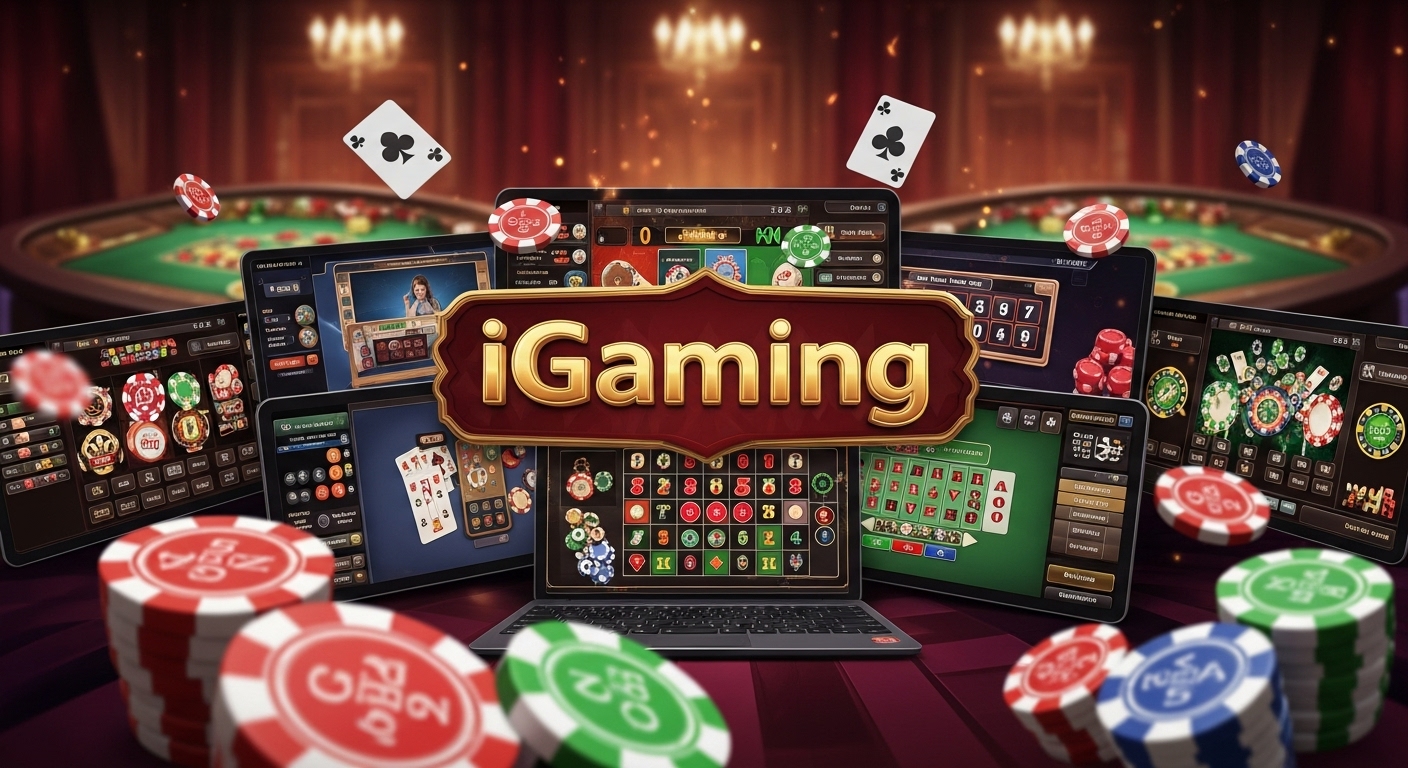

The world of gaming has seen a remarkable transformation over the past decade. What once started as simple video games has now evolved into a thriving industry known as iGaming. Short for “interactive gaming,” iGaming refers to all forms of online gambling and gaming that allow players to interact digitally. From virtual casinos and online poker to sports betting and fantasy leagues, iGaming has revolutionized how people experience entertainment.
Understanding iGaming
iGaming is more than just playing games online; it is an entire ecosystem that combines technology, entertainment, and gambling. Unlike traditional casinos, iGaming platforms provide users with instant access to a wide variety of games from the comfort of their homes. The rise of mobile devices, fast internet connections, and advanced software has made iGaming more accessible than ever. Players can now enjoy immersive experiences, realistic graphics, and interactive gameplay that closely mimic real-world casinos.
A key factor driving iGaming is the sense of convenience it offers. Players no longer need to travel long distances or wait in line for a seat at a poker table. Online platforms offer a 24/7 gaming experience, allowing players to log in and participate in their favorite games at any time. This accessibility has contributed significantly to the growing popularity of iGaming worldwide.
Popular iGaming Categories
The iGaming industry is diverse, catering to different preferences and interests. Some of the most popular categories include:
Online Casino Games
Online casinos are at the heart of iGaming. These platforms offer traditional casino games such as blackjack, roulette, and baccarat, along with modern variations designed for digital play. Advanced software allows for realistic simulations, making players feel as though they are sitting at a real casino table. Live dealer games have further enhanced this experience by streaming real-time games hosted by professional dealers.
Sports Betting
Sports betting has become a cornerstone of iGaming. Fans of football, basketball, cricket, and other sports can place wagers on matches, tournaments, and player performances. The digital format allows for live betting, which lets users place bets in real-time as the game unfolds. This dynamic experience has attracted both casual fans and seasoned bettors, significantly boosting the popularity of online sports gambling.
Poker and Card Games
Online poker and other card games offer a combination of skill, strategy, and chance. Players can participate in tournaments or casual games, often competing with opponents from around the globe. The social aspect of poker, combined with the convenience of online play, makes it one of the most engaging iGaming categories.
Fantasy Sports and eSports
The rise of fantasy sports leagues and eSports betting has opened new frontiers for iGaming. Fantasy sports allow players to create virtual teams and earn points based on real-life player performances. Meanwhile, eSports betting involves wagering on competitive video gaming tournaments. Both categories have attracted younger audiences who are familiar with digital gaming culture, further expanding the reach of iGaming.
Technology Driving iGaming
The evolution of iGaming is closely linked to technological advancements. Software developers continuously innovate to improve gameplay, security, and user experience. Some key technological drivers include:
Mobile Gaming
Mobile devices have revolutionized iGaming by providing players with gaming on the go. Mobile apps and responsive websites enable seamless access to games, allowing users to play anytime and anywhere. The convenience and portability of mobile gaming have been instrumental in expanding the iGaming audience.
Artificial Intelligence
Artificial intelligence (AI) plays a significant role in personalizing the gaming experience. AI algorithms analyze player behavior to provide customized recommendations, optimize game mechanics, and detect fraudulent activities. Additionally, AI-powered chatbots and customer support systems improve user engagement and ensure a smooth gaming experience.
Virtual Reality and Augmented Reality
Virtual reality (VR) and augmented reality (AR) have introduced immersive experiences to iGaming. VR allows players to step into virtual casinos with lifelike environments, while AR overlays digital elements onto real-world surroundings. These technologies enhance realism, making online gaming more engaging and interactive.
Blockchain and Cryptocurrencies
Blockchain technology is increasingly being integrated into iGaming platforms. It provides transparency, security, and fair gameplay by ensuring that transactions and outcomes are verifiable. Cryptocurrencies such as Bitcoin offer fast and secure payment options, appealing to players who value anonymity and decentralization.
Advantages of iGaming
The popularity of iGaming is not just a result of technological advancements; it also offers several advantages to players:
Accessibility and Convenience
One of the biggest draws of iGaming is accessibility. Players can enjoy their favorite games without leaving home, eliminating the need for travel or adherence to casino schedules. This convenience has made iGaming appealing to a broader audience.
Variety of Games
Unlike traditional casinos with limited space, online platforms can host hundreds of games. Players can switch between slots, table games, poker, and sports betting with ease. The variety ensures that there is something for everyone, regardless of skill level or preference.
Bonuses and Rewards
iGaming platforms frequently offer bonuses, rewards, and loyalty programs to attract and retain players. Welcome bonuses, free spins, and cashback offers enhance the gaming experience and provide additional incentives to participate.
Safe and Secure Environment
Reputable iGaming platforms employ robust security measures to protect user data and financial transactions. Encryption, two-factor authentication, and secure payment gateways ensure that players can enjoy gaming without worrying about safety.
Challenges Facing iGaming
While iGaming offers numerous benefits, it is not without challenges. Players and operators must navigate a complex landscape that includes regulatory, ethical, and technical concerns.
Regulatory Compliance
iGaming is subject to strict regulations in many countries. Operators must comply with licensing requirements, anti-money laundering policies, and responsible gambling laws. Navigating these regulations can be challenging, especially for platforms that operate across multiple jurisdictions.
Gambling Addiction
The convenience and accessibility of iGaming can contribute to gambling addiction. Players may find it difficult to set limits or manage their spending, leading to financial and emotional consequences. Responsible gambling measures, including self-exclusion options and awareness campaigns, are essential to address this issue.
Cybersecurity Threats
As an online activity, iGaming is vulnerable to cybersecurity threats such as hacking, data breaches, and fraud. Platforms must invest in robust security measures to protect user information and maintain trust.
Market Saturation
The iGaming market is becoming increasingly competitive, with numerous platforms vying for user attention. Operators must differentiate themselves through innovative features, superior user experience, and attractive incentives to stay relevant.
Future of iGaming
The future of iGaming looks promising, driven by continuous technological innovation and growing consumer demand. Emerging trends are expected to shape the industry in the coming years:
Enhanced Personalization
AI and machine learning will enable highly personalized gaming experiences. Platforms will tailor games, promotions, and recommendations to individual players, increasing engagement and satisfaction.
Expansion of Mobile and Social Gaming
Mobile and social gaming will continue to grow, allowing players to connect, compete, and share experiences with friends. Social features will make gaming more interactive and community-driven.
Integration of Immersive Technologies
Virtual reality, augmented reality, and mixed reality technologies will redefine online gaming. Players will enjoy lifelike experiences that closely mimic real-world interactions, creating a more engaging and immersive environment.
Sustainable and Responsible Gaming
As awareness of gambling addiction and ethical considerations grows, platforms will prioritize responsible gaming practices. Tools for self-regulation, spending limits, and behavioral monitoring will become standard features.
Conclusion
iGaming has transformed the way people experience entertainment and gambling. By leveraging technology, offering convenience, and providing a wide variety of games, the industry has captured the attention of millions worldwide. While challenges such as regulation, addiction, and cybersecurity remain, the continuous innovation and expansion of iGaming ensure a dynamic and exciting future.
Whether you are a casual player, a sports enthusiast, or a strategic gamer, iGaming provides opportunities to explore, compete, and enjoy interactive experiences like never before. As the industry evolves, it promises to redefine the boundaries of digital entertainment and create experiences that are more immersive, personalized, and accessible than ever.