Introduction
The world of gaming has undergone significant transformations over the past few decades, and one of the most revolutionary developments has been the rise of iGaming. iGaming, or internet gaming, refers to the practice of playing gambling games, such as online casino games, sports betting, poker, and other betting activities, via the internet. This sector has exploded in popularity, offering an entirely new way for players to engage with their favorite games. What started as a niche market in the late 1990s has now become a multi-billion-dollar global industry. Today, iGaming represents a fusion of technology, entertainment, and commerce, offering vast opportunities for both players and operators. This blog delves into the evolution of iGaming, its impact on the gaming industry, technological innovations that have shaped its growth, and its future trajectory.
The Birth of iGaming
The origins of iGaming trace back to the mid-1990s when the internet became widely accessible. The first true online casino was launched in 1994, and it allowed players to enjoy classic casino games such as blackjack and roulette without leaving the comfort of their homes. This was made possible by the development of secure online payment systems, which enabled players to deposit and withdraw money safely.
The late 1990s saw rapid technological advancements, with more sophisticated graphics, faster internet speeds, and better security protocols, all of which helped fuel the growth of online casinos and sportsbooks. The introduction of online poker in 1998 further expanded the iGaming landscape, with websites like PokerStars and partypoker offering players the chance to compete in poker tournaments with others from around the world.
These early developments set the stage for what would become a global online gambling boom. By the early 2000s, the market for online gambling had grown exponentially, with more games, more players, and more platforms entering the space.
Technological Advancements That Fueled Growth
The rapid growth of iGaming is largely due to technological advancements that have continuously improved both the user experience and the security of online gambling platforms. A few key developments have played an especially important role in shaping the sector.
Mobile Technology
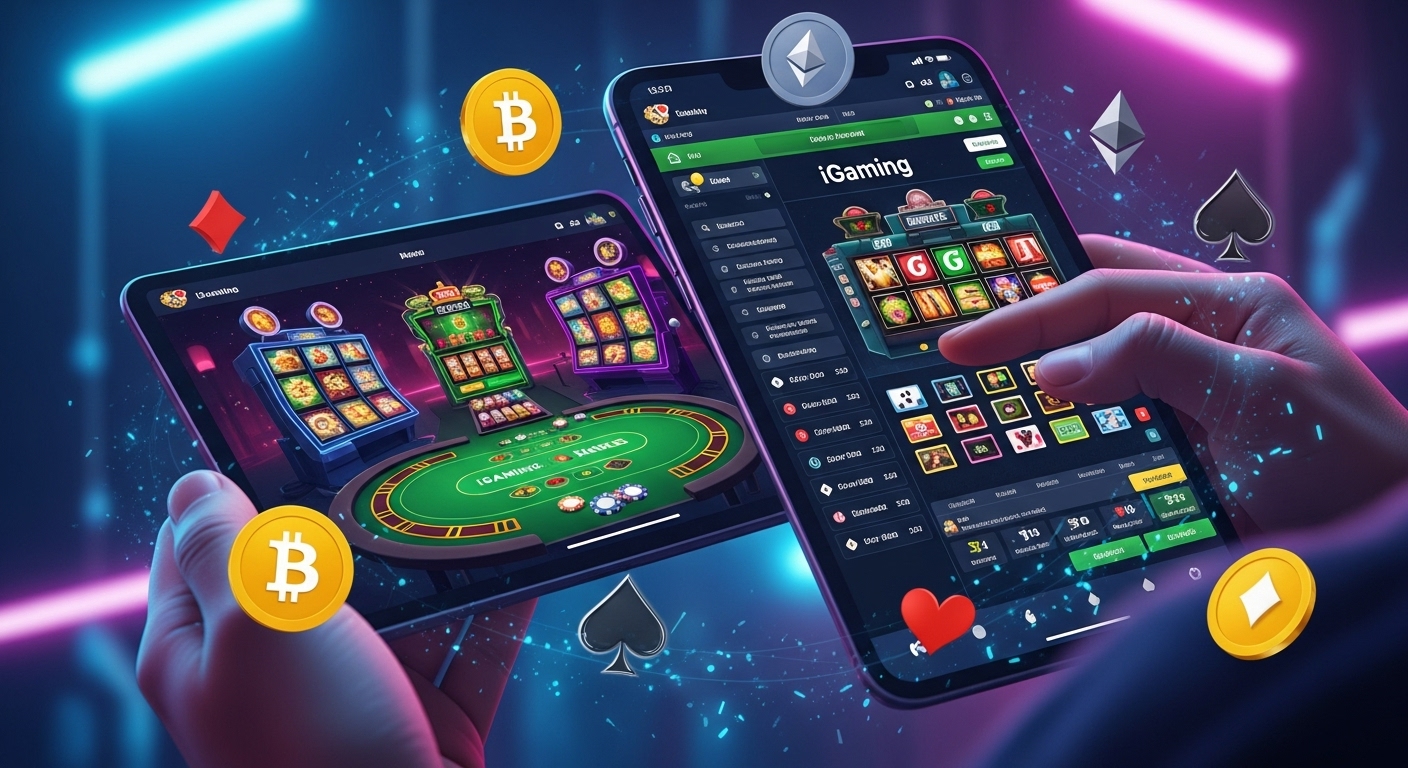
One of the most significant technological changes in recent years has been the widespread adoption of smartphones and mobile apps. Players no longer need to be tied to a desktop computer to enjoy their favorite games. With mobile casinos, poker rooms, and betting platforms, players can now gamble from anywhere at any time. This portability has made iGaming even more accessible and convenient, expanding its user base and keeping players engaged.
Live Dealer Games
Live dealer games have been another game-changer in the iGaming industry. While traditional online casino games are played against random number generators (RNGs), live dealer games use real dealers who interact with players in real-time via live video streaming. This addition has helped bridge the gap between land-based casinos and online platforms, providing players with the feeling of being in a physical casino without leaving home.
Blockchain and Cryptocurrencies
Blockchain technology and cryptocurrencies such as Bitcoin have revolutionized the iGaming industry by offering more secure, transparent, and anonymous payment methods. Blockchain ensures the integrity of transactions, and cryptocurrencies provide a level of privacy that traditional payment methods cannot. For players who value anonymity and speed in transactions, cryptocurrencies have become an appealing option, with many online casinos and sportsbooks now accepting digital currencies.
Artificial Intelligence (AI) and Personalization
Artificial intelligence is also playing a growing role in iGaming. AI allows platforms to analyze player behavior, predict user preferences, and provide personalized gaming experiences. By tailoring games, promotions, and advertisements to individual users, AI enhances player satisfaction and engagement. Moreover, AI is also crucial for detecting fraud and ensuring fair play, making online gambling safer for everyone involved.
iGaming as a Social Phenomenon
Despite its origins in the realm of solitary online play, iGaming has become an increasingly social activity. Platforms are using technology to create communities and enhance social interactions among players. Online casinos and betting platforms now offer chat functions, multiplayer modes, and interactive features that bring a sense of social engagement to the online gaming experience.
Online Poker and Tournaments
One of the most notable social aspects of iGaming is online poker. Poker is inherently a social game that relies heavily on reading opponents, bluffing, and strategizing in real-time. Online poker rooms replicate this social dynamic by hosting live tournaments where players from across the globe compete against one another. Poker tournaments, such as the World Series of Poker (WSOP), have gained massive followings, both online and offline.
Live Sports Betting
In the world of sports betting, real-time data feeds, live streams, and in-play betting options have made the experience more interactive and social. Bettors can engage with each other during live events, share insights, and bet on real-time outcomes. Social betting platforms have also emerged, where players can follow one another’s betting patterns, join social groups, and share betting tips, creating a community-driven experience.
Regulatory and Legal Landscape of iGaming
As the iGaming industry has grown, so too has the need for regulation. Gambling laws vary significantly from one country to another, and many governments have implemented strict rules to ensure that online gambling is conducted fairly and responsibly. Regulatory bodies, such as the United Kingdom Gambling Commission (UKGC) and the Malta Gaming Authority (MGA), play key roles in ensuring that iGaming operators comply with safety standards, fair-play regulations, and anti-money laundering measures.
In some regions, such as parts of the United States and Asia, iGaming remains illegal or heavily restricted. This lack of consistency has created a fragmented global market where operators must navigate a patchwork of laws and regulations. However, many countries have recognized the potential tax revenue and job creation benefits of iGaming, and regulations are gradually becoming more favorable in some regions.
The push for responsible gambling initiatives has also grown stronger as the industry matures. Online platforms are increasingly implementing tools such as self-exclusion, betting limits, and reality checks to help players control their gambling behavior. These measures are aimed at promoting a safer gaming environment and preventing addiction.
The Economic Impact of iGaming
iGaming has become a massive global industry, contributing billions of dollars to economies around the world. In regions where online gambling is legal, the industry generates significant tax revenues and creates employment opportunities. Developers, software engineers, marketing professionals, customer service agents, and others are employed within the iGaming ecosystem. In fact, the iGaming industry’s direct and indirect economic impact is estimated to be in the tens of billions of dollars annually.
Beyond the financial contributions, iGaming has also contributed to technological advancements and innovations in digital entertainment. The rise of virtual casinos, live gaming, and mobile betting has pushed the limits of what is possible in the digital world, encouraging further innovation and investment in the tech sector.
The Future of iGaming
The future of iGaming looks brighter than ever, with the industry set to continue its upward trajectory. Several trends suggest that the next few years will see even more exciting innovations.
Virtual Reality (VR) and Augmented Reality (AR)
Virtual reality and augmented reality are poised to take the iGaming experience to the next level. VR casinos will allow players to fully immerse themselves in a 3D environment, providing a much more realistic experience than traditional online games. AR, on the other hand, will blend virtual and physical elements, allowing players to interact with digital objects overlaid on the real world. These technologies have the potential to create entirely new forms of interactive gambling.
Social Gaming and Gamification
As iGaming platforms continue to develop, the integration of social elements and gamified experiences will become more prevalent. Players may earn rewards, level up, or complete challenges in ways that mirror traditional video games. These gamified experiences can increase engagement, enhance retention, and make online gambling more fun and interactive.
Expansion into Emerging Markets
Emerging markets such as Asia, Africa, and Latin America present a huge opportunity for the iGaming industry. As internet penetration increases in these regions, more players are expected to join the digital gambling space. Additionally, many countries are starting to embrace the economic potential of iGaming, and regulations are likely to become more favorable in these regions, paving the way for further industry expansion.
Conclusion
iGaming has come a long way since its early days in the 1990s, and it continues to evolve and thrive in the digital age. With advances in technology, increased social interaction, and expanding regulatory frameworks, the iGaming industry is set for even greater growth. It offers unparalleled convenience and entertainment, making it an attractive option for millions of players worldwide.
However, like any booming industry, iGaming must balance innovation with responsibility. As the sector grows, it is crucial that operators continue to prioritize player safety, responsible gambling practices, and fair play. With the right regulatory frameworks and technological safeguards in place, iGaming will remain a dominant force in the world of digital entertainment for years to come.
Whether you’re a casual player or a professional gambler, the future of iGaming promises to bring even more excitement, opportunity, and immersive experiences to the online gaming world.