
Introduction
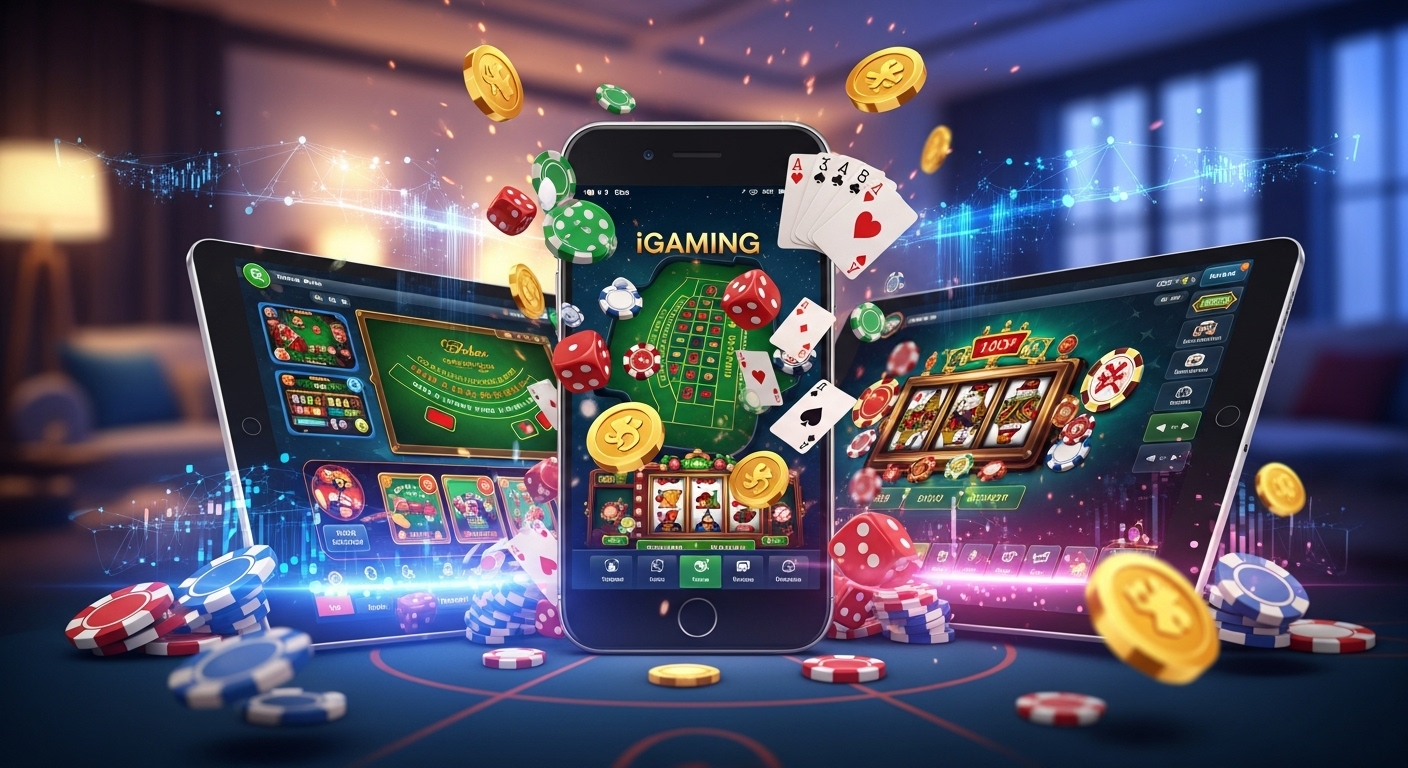
In today’s fast-paced digital world, entertainment has found new ways to engage audiences, and one of the most dynamic evolutions is the rise of iGaming. Short for “interactive gaming,” iGaming encompasses online gambling, casino platforms, esports betting, poker rooms, and even digital lotteries that operate through the internet. What makes iGaming revolutionary is not just its technological innovation but its ability to merge entertainment, skill, and global accessibility. From the comfort of home, players can now experience the thrill of gaming once limited to physical casinos. As technology continues to evolve, iGaming stands at the intersection of innovation, social connection, and digital business growth.
The Evolution of iGaming
The origins of iGaming date back to the mid-1990s when the internet began to gain popularity. The first online casinos and poker sites were simple, slow, and limited in options. However, they laid the groundwork for what would become a multi-billion-dollar industry. Over time, improvements in broadband connectivity, mobile technology, and secure payment systems transformed iGaming into a mainstream form of entertainment.
The development of smartphones marked a turning point for iGaming. Players no longer needed to be tied to a desktop computer. Mobile apps and browser-based gaming platforms made participation accessible from anywhere, at any time. This level of convenience drastically expanded the player base and encouraged developers to innovate further with interactive graphics, live dealer games, and multiplayer experiences.
Technology Driving the iGaming Industry
The success of iGaming can largely be credited to rapid technological advancement. Developers use artificial intelligence to personalize gaming experiences and analyze player behavior, while blockchain technology ensures transparency and fairness in gaming outcomes. Virtual reality has also entered the scene, offering immersive environments that replicate real-world casinos with astonishing accuracy.
Another key innovation is the integration of live streaming and chat features that allow players to interact with dealers and other participants in real time. This social element bridges the gap between digital play and human interaction, making online gaming feel more authentic and engaging. Additionally, secure encryption and digital wallet systems have built trust among users, encouraging more people to participate safely.
The Appeal of iGaming Across the Globe
One of the strongest appeals of iGaming is its global accessibility. Players from different countries can join tournaments, compete in online poker games, or bet on their favorite esports teams without being restricted by geography. This global reach creates a vibrant community where cultural and linguistic differences fade behind the shared thrill of gaming.
Moreover, the diversity of gaming options attracts a wide audience. Casual players enjoy simple slot games or digital lotteries, while competitive gamers are drawn to strategy-based games like poker or esports betting. The industry’s adaptability ensures that there is something for everyone, regardless of experience or preference.
Economic Impact of the iGaming Industry
The economic influence of iGaming is undeniable. It has created countless job opportunities in software development, customer service, marketing, and data analytics. Additionally, governments around the world have begun to recognize iGaming as a legitimate source of revenue through taxation and licensing. This shift toward regulation and transparency benefits both players and operators, creating a safer environment for everyone involved.
The industry’s continuous growth has also fueled investments in technology, cybersecurity, and payment solutions. These advancements often extend beyond gaming, influencing other digital industries as well. In many regions, iGaming has helped shape a new digital economy that thrives on innovation and global connectivity.
The Role of Artificial Intelligence in iGaming
Artificial intelligence plays a crucial role in enhancing player experiences and improving platform operations. AI algorithms analyze vast amounts of data to understand player preferences, offering personalized game recommendations and bonuses. This level of customization makes each user’s experience unique and engaging.
AI also assists in identifying fraudulent activities and promoting responsible gaming. By monitoring player behavior, AI systems can detect patterns that indicate problem gambling and trigger alerts or restrictions to protect users. This demonstrates how technology not only enhances entertainment but also supports ethical practices within the industry.
Virtual Reality and the Future of Immersive Gaming
Virtual reality has brought a new dimension to iGaming. Instead of watching a spinning wheel or clicking a card, players can now step into fully immersive environments that replicate real casino floors. With VR headsets, users can walk around, interact with virtual dealers, and even communicate with other players.
This advancement redefines how people perceive online gaming, blending the excitement of physical casinos with the convenience of digital play. As VR technology becomes more affordable and widespread, its adoption within iGaming is expected to increase dramatically, making gameplay more interactive and realistic than ever before.
Mobile Gaming and the Rise of Accessibility
The expansion of mobile gaming has revolutionized iGaming accessibility. Smartphones have turned every pocket into a potential gaming arena. With user-friendly apps and responsive designs, mobile platforms ensure that players enjoy the same quality experience as on desktop computers.
This accessibility also opens opportunities for microtransactions and instant deposits, allowing players to manage their funds seamlessly. The convenience of mobile gaming contributes significantly to the growing popularity of iGaming among younger audiences who prefer quick and flexible entertainment options.
Security and Fair Play in the Digital Era
With the rise of online transactions, security remains a top priority in iGaming. Operators use advanced encryption techniques to protect personal and financial data. Secure servers, two-factor authentication, and blockchain verification are now common practices in reputable platforms.
Fair play is equally important. Independent auditing agencies test gaming algorithms to ensure they produce random and unbiased outcomes. These measures enhance player trust and demonstrate the industry’s commitment to integrity. By prioritizing security and fairness, iGaming continues to evolve into a credible and respected entertainment field.
Responsible Gaming and Player Wellbeing
While iGaming offers fun and excitement, it also carries responsibilities. Developers and regulators have taken steps to promote responsible gaming practices. Features such as spending limits, self-exclusion options, and time tracking tools help players manage their habits. Educational campaigns also raise awareness about gambling addiction and encourage users to play responsibly.
The use of technology to support mental and emotional wellbeing is a growing trend in the industry. Artificial intelligence systems can identify early signs of problematic behavior and guide players toward helpful resources. This proactive approach reflects a maturing industry that values the long-term welfare of its participants.
Esports and iGaming Convergence
Esports, or competitive video gaming, has become a major component of the iGaming landscape. Betting on esports matches allows fans to engage with their favorite teams and games in new ways. The combination of esports and iGaming merges two massive digital industries, creating opportunities for cross-promotion and community building.
Younger audiences, who grew up with gaming culture, find this fusion particularly appealing. The competitive spirit of esports aligns naturally with the thrill of iGaming, driving growth in both sectors. This synergy represents one of the most exciting frontiers for digital entertainment.
Global Regulations and Market Growth
The regulatory landscape of iGaming varies across countries, but a general trend toward legalization and regulation is emerging. Governments are realizing that by establishing clear rules, they can protect players while benefiting economically through licensing fees and taxes. This also encourages legitimate operators to maintain high standards of conduct, transparency, and player safety.
As more regions embrace regulated iGaming, the market continues to expand. New jurisdictions are opening up opportunities for companies to enter untapped markets, while existing regions focus on improving user experience and compliance. This balance of innovation and responsibility is shaping a stable future for the industry.
The Future of iGaming: Trends and Predictions
Looking ahead, the iGaming industry shows no signs of slowing down. The integration of emerging technologies such as augmented reality, 5G connectivity, and advanced data analytics will transform how players interact with games. Personalized experiences, faster gameplay, and enhanced graphics will redefine the boundaries of online entertainment.
Additionally, the focus on community-driven platforms and interactive storytelling will make iGaming more engaging than ever. Social gaming, where users can share experiences and achievements, is expected to grow significantly. As environmental concerns increase, operators are also exploring sustainable practices, such as energy-efficient servers and digital-only transactions.
Conclusion
iGaming has evolved from a niche hobby into a global powerhouse of digital entertainment. It combines technology, creativity, and human interaction in a way that redefines how people experience games. From mobile convenience to immersive virtual reality and artificial intelligence, the innovations shaping iGaming are pushing the boundaries of what’s possible.
As it continues to expand, iGaming will play an even greater role in the digital economy, offering new opportunities for players, developers, and investors alike. What makes it truly remarkable is not just the thrill of the game but the sense of connection and innovation that drives it forward. The world of iGaming is more than just entertainment—it is a glimpse into the future of interactive digital experiences.