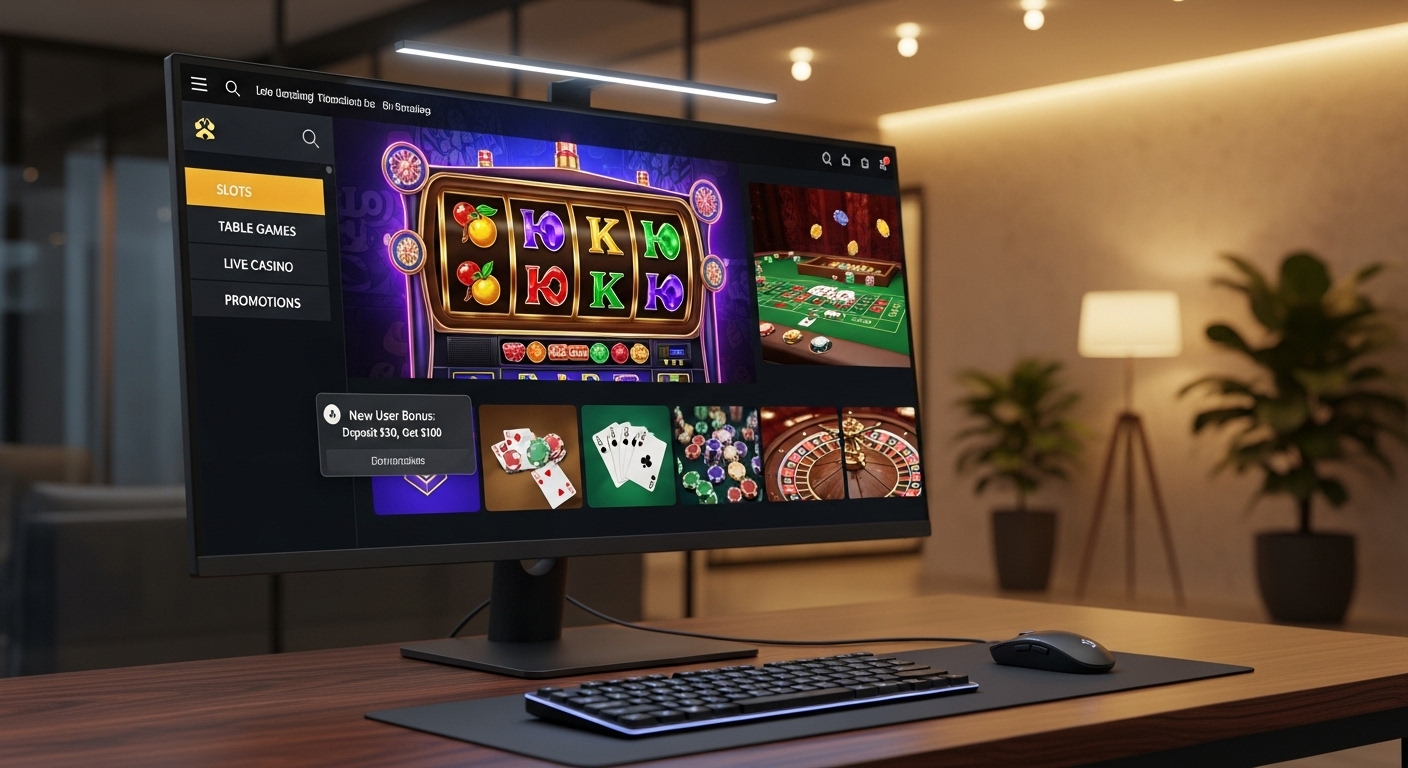

The global entertainment landscape has undergone a remarkable transformation over the past two decades, and one of the most powerful forces driving this change is iGaming. Short for interactive gaming or internet gaming, iGaming represents the digital counterpart to traditional gambling. It encompasses online casinos, sports betting, poker rooms, bingo, lotteries, and other digital wagering activities. What began as a small corner of the internet in the late 1990s has now evolved into a multibillion-dollar global industry that continues to grow, adapt, and redefine itself year after year.
This article explores the evolution, technologies, psychology, regulation, and future of iGaming. It delves into the reasons behind its immense popularity, its economic and cultural impact, and the innovations that will shape its next generation.
The Origins of iGaming: From Digital Curiosity to Mainstream Entertainment
The story of iGaming begins in the mid-1990s when the internet first became accessible to the public. The launch of the first online casino in 1994 marked the dawn of a new era. This development coincided with the creation of the Free Trade and Processing Zone Act in Antigua and Barbuda, which allowed companies to obtain licenses to operate online gambling businesses.
At that time, online gambling was a novelty. The graphics were simple, the connections were slow, and the idea of trusting a digital platform with real money seemed risky to many users. However, curiosity fueled growth. Early adopters were drawn to the convenience of playing from home, avoiding the travel and expense associated with physical casinos. The allure of winning real money without leaving one’s couch was irresistible to some, and the foundation for a global industry was laid.
By the early 2000s, the internet boom had given rise to hundreds of online casinos, poker rooms, and betting sites. The introduction of secure payment gateways and improved encryption technologies made transactions safer, boosting player confidence. The iGaming industry quickly began to professionalize, with operators focusing on better design, more game variety, and enhanced user experience.
The Growth of Online Casinos: A Digital Renaissance
Online casinos are the cornerstone of iGaming. They replicate the atmosphere and excitement of traditional casinos while adding the flexibility of playing anywhere, anytime. The early years saw limited options, but as technology advanced, so did the offerings. Slots, roulette, blackjack, and baccarat became available with sophisticated graphics, real-time animations, and even live dealers who streamed games in real time from professional studios.
Software developers such as Microgaming, Playtech, and NetEnt revolutionized the industry by introducing high-quality casino games with immersive storylines, cinematic sound, and interactive features. Progressive jackpots and bonus systems attracted players with the promise of life-changing rewards.
The arrival of mobile technology in the late 2000s gave iGaming another massive boost. Suddenly, players no longer needed to be at their computers to play; they could enjoy games on their smartphones or tablets while commuting or relaxing at home. This portability significantly expanded the player base, turning iGaming into an everyday activity rather than a rare leisure pursuit.
Sports Betting: The Competitive Heartbeat of iGaming
While online casinos offer games of chance, sports betting combines luck with skill, analysis, and passion. Sports enthusiasts naturally gravitated toward platforms where they could wager on matches and tournaments. The digital shift turned sports betting into a real-time, interactive experience.
Live or in-play betting became one of the biggest game-changers. Instead of placing a single wager before a match began, players could now make predictions as the game unfolded — betting on goals, corners, or player performance in real time. This created an adrenaline-fueled experience that mirrored the excitement of being in a stadium.
The global reach of sports betting has grown exponentially due to its integration with major sporting events and leagues. From football and basketball to eSports, betting platforms have expanded to accommodate virtually every sport imaginable. Algorithms, AI-driven odds calculation, and statistical analysis tools have made betting smarter and more personalized, appealing to both casual fans and professional bettors.
The Rise of Poker and Skill-Based Games
Poker holds a special place within the iGaming ecosystem because it blends chance with skill and psychology. The online poker boom began in the early 2000s, driven by televised tournaments and the rise of poker celebrities. Websites allowed players to compete with others worldwide, making the game more accessible than ever before.
Online poker rooms introduced new formats such as Sit & Go tournaments, multi-table events, and speed poker, attracting both professionals and amateurs. Many players who started online went on to achieve fame in live tournaments, proving that iGaming could nurture real-world talent.
Beyond poker, other skill-based games like fantasy sports, trivia contests, and eSports betting have emerged. These offerings cater to players seeking intellectual engagement and competition rather than pure chance. The line between gaming and gambling continues to blur, expanding the scope of what iGaming can be.
Technology as the Driving Force
Technology is the heartbeat of the iGaming revolution. Every major development in the sector can be traced back to innovations in digital infrastructure, security, or user experience.
One of the most impactful advancements has been the use of random number generators (RNGs) to ensure fair play. RNGs guarantee that outcomes in casino games are entirely random, replicating the unpredictability of real-world gambling. This transparency helped build trust between players and operators.
The integration of artificial intelligence has also transformed how iGaming platforms operate. AI algorithms analyze player behavior, personalize game recommendations, and detect fraudulent or problematic activity. Machine learning helps operators understand user preferences and create more engaging experiences while maintaining responsible gaming standards.
Blockchain technology has further revolutionized iGaming by introducing transparency and decentralization. Cryptocurrency payments allow for faster, more private transactions, and blockchain-based casinos offer provably fair games where players can verify outcomes independently. This level of transparency is reshaping how trust is established between platforms and users.
The Psychology of iGaming: What Keeps Players Engaged
Understanding why people are drawn to iGaming requires a look into psychology. Human beings are naturally inclined toward games of chance and competition. The anticipation of reward triggers dopamine release, creating excitement and pleasure.
Modern iGaming platforms are designed to maximize engagement through immersive visuals, sound effects, and interactive mechanics. Reward systems such as bonuses, free spins, and loyalty programs exploit psychological principles like intermittent reinforcement — where unpredictable rewards keep users motivated to continue playing.
Social elements also play a major role. Online communities, leaderboards, and multiplayer options foster a sense of belonging and rivalry. The evolution of live dealer games adds a human connection, simulating the real-world casino atmosphere in a digital setting.
However, this psychological engagement comes with responsibility. iGaming operators face increasing scrutiny regarding responsible gambling practices. Many now include features like spending limits, reality checks, and self-exclusion tools to protect players from potential addiction.
The balance between entertainment and responsibility has become a defining feature of the industry’s modern identity.
Regulation and Licensing: Building a Framework for Trust
As the iGaming industry expanded, so did the need for regulation. Different countries have developed their own legal frameworks to control and monitor online gambling. Proper regulation ensures fairness, prevents money laundering, and protects players from exploitation.
Jurisdictions such as Malta, the United Kingdom, and Gibraltar have become hubs for licensed iGaming operations. These regulatory bodies enforce strict rules related to transparency, security, and responsible conduct. A license from a reputable authority serves as a mark of credibility and trustworthiness for operators.
In some regions, however, regulation remains fragmented or restrictive. Certain countries still prohibit or heavily limit online gambling, forcing players to turn to offshore platforms. This creates challenges related to taxation, consumer protection, and compliance.
Despite these complexities, the overall trend leans toward greater acceptance and normalization. Governments increasingly recognize iGaming as a legitimate industry capable of generating substantial tax revenue and employment opportunities.
The Mobile Gaming Revolution
The transition from desktop to mobile represents one of the most profound shifts in iGaming history. Mobile gaming has democratized access, allowing anyone with a smartphone to participate in online gambling activities.
App-based casinos and mobile-optimized websites now dominate the market. Developers focus on creating responsive designs, intuitive interfaces, and fast-loading games that function seamlessly on smaller screens.
This mobile-first approach has also influenced game design. Slots and table games are now created with vertical layouts, touch-based controls, and quick play sessions to suit mobile user habits. The convenience factor cannot be overstated — mobile gaming allows users to play during short breaks, commutes, or evenings at home, blending seamlessly with modern lifestyles.
As 5G technology becomes widespread, mobile iGaming will only grow stronger. Faster connections enable real-time streaming, augmented reality experiences, and interactive live events that were once unimaginable on mobile devices.
The Impact of Live Dealer Games
Live dealer games represent a hybrid between digital convenience and traditional casino atmosphere. Through high-definition streaming and professional dealers, these games offer players a sense of authenticity and interaction.
Live blackjack, roulette, baccarat, and poker are among the most popular formats. Players can communicate with dealers and other participants through chat functions, creating a social experience that bridges the gap between virtual and physical worlds.
The popularity of live dealer games demonstrates how important human connection remains, even in a digital age. These games also showcase the industry’s commitment to realism and innovation, using cutting-edge cameras, studio setups, and real-time software synchronization to deliver flawless performance.
The Economic Impact of iGaming
The economic footprint of iGaming is enormous and continues to expand. The global market generates billions in annual revenue, supporting a vast ecosystem of developers, marketers, payment processors, and data analysts.
In addition to direct employment, the industry contributes to government revenues through taxation and licensing fees. Many countries have embraced iGaming as a vital part of their digital economies, promoting investment and technological development.
The ripple effects extend to other industries as well. Cybersecurity firms, streaming technology providers, and digital payment companies all benefit from the sector’s rapid growth. The iGaming boom also fuels advancements in artificial intelligence, data analytics, and blockchain applications, making it a catalyst for broader digital innovation.
The Future of iGaming: Where Technology Meets Imagination
The future of iGaming is being shaped by emerging technologies that promise even more immersive and personalized experiences. Virtual reality and augmented reality are poised to redefine what it means to gamble online. Imagine stepping into a virtual casino, interacting with players around the world, and exploring digital environments that feel almost real.
Artificial intelligence will continue to drive personalization, offering tailored recommendations and adaptive gameplay based on individual behavior. Machine learning models will refine game balance, detect fraud, and promote responsible gaming more effectively than ever before.
Cryptocurrencies and decentralized platforms will further expand financial flexibility. As blockchain technology matures, fully decentralized casinos could become mainstream, offering unparalleled transparency and fairness.
In parallel, the integration of eSports and iGaming will blur the boundaries between gambling and gaming. Wagering on virtual competitions, fantasy leagues, and simulated sports is already gaining traction, especially among younger demographics who grew up in the digital era.
Challenges Ahead: Ethics, Regulation, and Social Responsibility
Despite its rapid growth, the iGaming industry faces several challenges that will define its long-term sustainability. The foremost concern is responsible gambling. As platforms become more immersive and accessible, the potential for addiction increases. Operators must continue to prioritize player safety and mental well-being.
Regulatory harmonization is another challenge. The global nature of iGaming means that operators often serve players across multiple jurisdictions, each with unique rules. Creating unified standards without stifling innovation remains an ongoing debate.
Data privacy and cybersecurity are also critical. With millions of players worldwide, platforms handle vast amounts of sensitive information. Protecting that data from breaches or misuse is essential to maintaining public trust.
Finally, ethical considerations regarding advertising, player targeting, and youth exposure must be addressed. The industry’s reputation depends on transparency, integrity, and responsible marketing.
A Cultural Phenomenon: How iGaming Shapes Modern Entertainment
iGaming is no longer just a niche hobby; it has become a cultural force that influences entertainment, technology, and lifestyle. Streaming platforms, social media, and influencer culture have all embraced gambling-related content, making it part of mainstream digital discourse.
For many players, iGaming is not only about winning money but also about community, escapism, and self-expression. The gamification of gambling has transformed it into a dynamic form of interactive entertainment where narrative, competition, and technology converge.
As society continues to integrate with digital platforms, iGaming’s role will likely expand even further — evolving from simple betting to a complex form of interactive media.
Conclusion: The Endless Game of Innovation
The journey of iGaming from its humble beginnings to a global powerhouse is a testament to human creativity and technological progress. It has redefined how we perceive gambling, entertainment, and digital engagement. With every technological advancement, from AI to VR, the boundaries of what’s possible continue to expand.
Yet, at its core, iGaming remains driven by the same human impulses that fueled games of chance for centuries — curiosity, excitement, and the pursuit of possibility. The difference today lies in the digital landscape that surrounds these experiences, offering more choice, accessibility, and connection than ever before.
As we look toward the future, one thing is certain: the evolution of iGaming is far from over. It is a living, breathing ecosystem that mirrors the pace of technological change and human imagination. The next decade promises not only new ways to play but entirely new dimensions of interaction, shaping the future of entertainment itself.