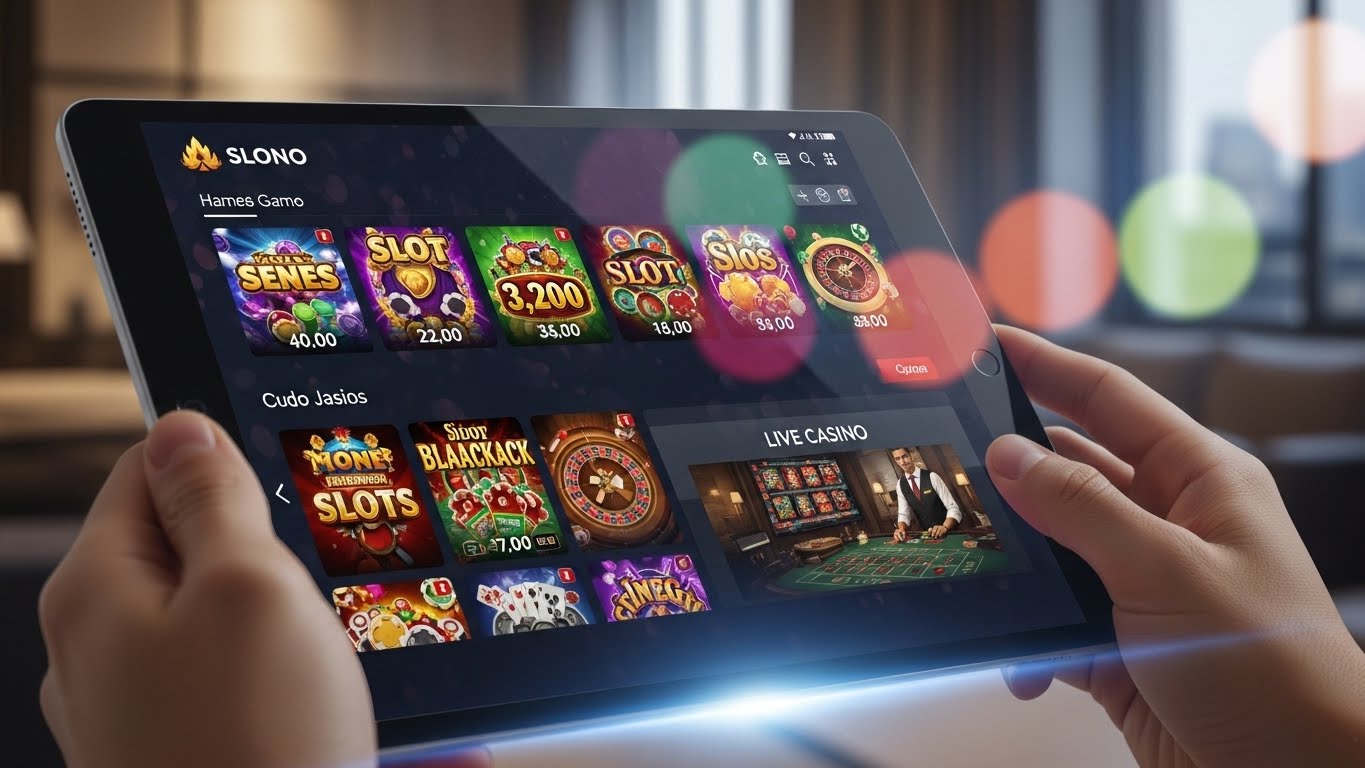

The world of gaming has evolved dramatically over the past few decades. From simple arcade machines to highly sophisticated online platforms, gaming has transformed into a multi-billion-dollar industry with a global audience. Among the various forms of gaming, iGaming has emerged as one of the most prominent and rapidly growing sectors. iGaming, short for internet gaming, refers to online gambling and betting activities, including online casinos, poker, sports betting, and other interactive games. This blog post explores the history, development, technologies, regulations, social impact, and future prospects of iGaming, providing an in-depth understanding of this dynamic industry.
Understanding iGaming
iGaming encompasses a wide range of online gambling activities that players can access through computers, smartphones, and other digital devices. Unlike traditional brick-and-mortar casinos, iGaming allows players to participate from the comfort of their homes, offering convenience, variety, and real-time interaction. The term “iGaming” covers multiple verticals, including online casinos, sports betting, poker rooms, bingo, lottery, and emerging sectors such as virtual sports and eSports betting.
The growth of iGaming has been fueled by technological advancements, increased internet penetration, and a shift in consumer preferences toward digital entertainment. Today, iGaming platforms provide sophisticated user interfaces, immersive graphics, secure payment methods, and personalized experiences, making online gambling more engaging and accessible than ever before.
The History and Evolution of iGaming
The roots of iGaming can be traced back to the 1990s when the internet began to revolutionize entertainment and commerce. In 1994, the introduction of the first online casino marked a turning point in the gambling industry. Early online casinos were basic, with simple graphics and limited game options, but they set the foundation for the digital gambling revolution.
As internet technology advanced, so did the sophistication of iGaming platforms. The early 2000s saw the rise of online poker, attracting millions of players worldwide and turning the game into a global phenomenon. Sports betting platforms also gained traction during this period, leveraging real-time updates and live betting features. The development of secure payment gateways further enhanced trust and convenience, encouraging more players to engage in online gambling.
In recent years, mobile technology and app-based platforms have transformed iGaming yet again. Today, most players access online casinos and betting platforms through smartphones and tablets, with intuitive apps and instant gameplay. This evolution has expanded the reach of iGaming to new demographics and markets, contributing to its unprecedented growth.
Key Components of iGaming Platforms
Modern iGaming platforms are complex ecosystems that combine technology, game design, user experience, and regulatory compliance. Several key components contribute to the success of these platforms:
Game Variety and Design
The success of an iGaming platform largely depends on the variety and quality of its games. Players expect engaging graphics, realistic sound effects, and smooth gameplay. Online casinos offer a wide range of games, including slots, blackjack, roulette, baccarat, and video poker. Sports betting platforms provide odds on football, basketball, cricket, tennis, and more. Additionally, poker rooms and bingo platforms cater to niche audiences with specific preferences.
Software Providers
Behind every iGaming platform is a network of software providers that design and develop the games. Industry leaders such as Microgaming, NetEnt, Playtech, and Evolution Gaming have pioneered innovations in game mechanics, graphics, and live dealer technology. These providers ensure that games are fair, secure, and entertaining, maintaining high standards for the industry.
Payment Systems and Security
Secure and convenient payment options are critical for iGaming platforms. Players expect multiple deposit and withdrawal methods, including credit cards, e-wallets, bank transfers, and cryptocurrencies. Advanced encryption technologies and anti-fraud measures protect user data and transactions, ensuring a safe and trustworthy gaming experience.
Live Gaming and Interactive Features
Live dealer games have become a defining feature of modern iGaming. These games stream real dealers in real-time, allowing players to interact via chat, place bets, and experience the thrill of a physical casino from their devices. Interactive features such as tournaments, leaderboards, and reward programs further enhance engagement and player loyalty.
Regulatory Landscape of iGaming
iGaming operates under a complex regulatory framework that varies across countries and regions. Regulations are designed to ensure fairness, transparency, responsible gambling, and revenue collection for governments. Licensing authorities such as the Malta Gaming Authority, the United Kingdom Gambling Commission, and the Gibraltar Regulatory Authority oversee online gambling operators, ensuring compliance with local laws.
Regulation also plays a crucial role in protecting players from fraudulent operators. Licensed platforms must implement strict measures for identity verification, responsible gambling, anti-money laundering, and dispute resolution. This regulatory oversight has helped build trust among players, contributing to the sustained growth of iGaming.
The Social and Economic Impact of iGaming
The rise of iGaming has significant social and economic implications. Economically, the industry generates billions in revenue annually, providing employment opportunities, tax revenue, and investment in technology and infrastructure. Many countries actively support iGaming as a legitimate business sector, recognizing its potential to drive innovation and tourism.
Socially, iGaming has reshaped entertainment habits and leisure activities. Players can engage with a global community, enjoy social interaction through multiplayer games, and access entertainment at any time. However, concerns regarding gambling addiction, underage access, and financial risks persist. Responsible gambling initiatives, including self-exclusion programs, deposit limits, and awareness campaigns, aim to mitigate these risks and promote safe gaming practices.
Emerging Trends in iGaming
The iGaming industry continues to evolve rapidly, with several emerging trends shaping its future:
Mobile Gaming Dominance
Mobile devices have become the primary channel for iGaming, enabling instant access to games, live betting, and interactive features. Platforms optimize gameplay for smartphones and tablets, ensuring seamless performance and user-friendly interfaces.
Integration of Artificial Intelligence
Artificial intelligence (AI) is transforming iGaming by enhancing personalization, detecting fraud, and improving customer support. AI algorithms analyze player behavior to offer tailored promotions, recommend games, and detect problem gambling patterns. AI-powered chatbots provide instant assistance, enhancing the overall user experience.
Virtual Reality and Augmented Reality
Virtual reality (VR) and augmented reality (AR) are set to revolutionize iGaming by creating fully immersive experiences. Players can explore virtual casinos, interact with live dealers, and enjoy 360-degree gameplay. AR technology enhances live betting and interactive game elements, offering a more engaging and realistic experience.
Blockchain and Cryptocurrencies
Blockchain technology and cryptocurrencies are gaining traction in iGaming due to their transparency, security, and speed. Platforms accepting digital currencies such as Bitcoin, Ethereum, and Litecoin offer instant transactions, lower fees, and provably fair gaming. Blockchain also ensures tamper-proof records of bets, enhancing trust among players.
eSports Betting
The rise of eSports has created a new vertical in iGaming. Betting on competitive video games, such as League of Legends, Counter-Strike, and Dota 2, has become increasingly popular among younger audiences. eSports betting combines traditional sports betting mechanics with the excitement of digital gaming, attracting a diverse player base.
Responsible Gambling in the Digital Age
With the growth of iGaming comes the responsibility to address gambling-related risks. Responsible gambling initiatives aim to prevent addiction, promote self-awareness, and protect vulnerable players. Platforms provide tools such as deposit limits, loss limits, session reminders, and self-exclusion options. Additionally, awareness campaigns and educational resources help players recognize early signs of problem gambling and seek assistance when needed.
Responsible gambling is not only a moral obligation but also a business imperative. Platforms that prioritize player safety build trust, enhance reputation, and foster long-term loyalty.
The Future of iGaming
The future of iGaming looks promising, driven by technological innovation, expanding markets, and evolving consumer preferences. Emerging technologies such as artificial intelligence, virtual reality, and blockchain will redefine gameplay, personalization, and security. Mobile-first strategies and cloud-based platforms will continue to enhance accessibility and convenience.
Regulatory developments will shape the industry, as governments seek to balance revenue generation, player protection, and market fairness. Markets in Asia, Latin America, and Africa are poised for significant growth, fueled by increased internet penetration and digital adoption.
The convergence of gaming, entertainment, and technology will continue to push the boundaries of iGaming. Interactive storytelling, gamification, social features, and immersive experiences will redefine the player journey, making iGaming an integral part of global digital entertainment.
Conclusion
iGaming has transformed the way people engage with gambling and digital entertainment. From its humble beginnings in the 1990s to today’s immersive, mobile-first platforms, the industry has experienced rapid growth and innovation. The combination of advanced technology, regulatory oversight, social engagement, and economic potential has established iGaming as a significant sector of the global gaming industry.
As the industry evolves, players can expect increasingly personalized, interactive, and immersive experiences, while regulators and platforms continue to prioritize responsible gambling. iGaming is more than just a digital pastime—it is a dynamic ecosystem that reflects the intersection of technology, entertainment, and human behavior. With continuous innovation and global expansion, iGaming is set to remain a dominant force in the world of online entertainment for years to come.