The online gaming industry, commonly referred to as iGaming, has witnessed a transformative journey over the past few decades. From its modest beginnings in the 1990s to its current status as a multi-billion-dollar industry, iGaming has captivated the world, offering an array of digital entertainment experiences, from casino games and sports betting to eSports and virtual sports. This blog will explore the key aspects of iGaming, its rapid growth, the technology driving it, and the emerging trends that are likely to shape the future of online gaming.
Understanding iGaming: What Is It?
iGaming refers to the use of the internet to participate in games that involve wagering or gambling. It encompasses a wide range of activities, such as online casinos, poker, sports betting, fantasy sports, and even skill-based games. The key factor that sets iGaming apart is its online nature, allowing players to participate in these activities remotely through their computers, smartphones, or tablets.
The rise of iGaming can be attributed to advancements in technology, the increased availability of high-speed internet, and the global shift toward online entertainment. As traditional brick-and-mortar casinos faced restrictions and limitations, iGaming emerged as a convenient alternative, offering a vast range of options to suit the preferences of players from all over the world.
The Growth of iGaming
The growth of iGaming can be traced back to the early days of the internet, when the first online casino was launched in 1994. Initially, online gambling was met with skepticism, but over time, technological advancements and regulatory changes have allowed the sector to expand at an unprecedented rate. Today, the iGaming industry is estimated to be worth over $60 billion, and it continues to grow year after year.
A significant factor behind the industry’s success is the increasing number of countries that have legalized and regulated online gambling. In regions like Europe, the United States, and parts of Asia, iGaming has become a mainstream form of entertainment. Governments have recognized the potential of iGaming to generate revenue, create jobs, and even promote responsible gambling practices through regulation.
Moreover, the COVID-19 pandemic accelerated the adoption of online entertainment, including iGaming. With physical casinos and sports events temporarily closed or suspended, many players turned to online platforms for their gambling needs. This surge in demand has further fueled the expansion of the industry, with operators offering more diverse and engaging content to attract new players.
The Technology Behind iGaming
The evolution of iGaming would not have been possible without advancements in technology. From the early days of basic slot machines and table games to the immersive virtual reality (VR) casinos of today, technology has played a pivotal role in shaping the industry.
Mobile Gaming: A Game Changer
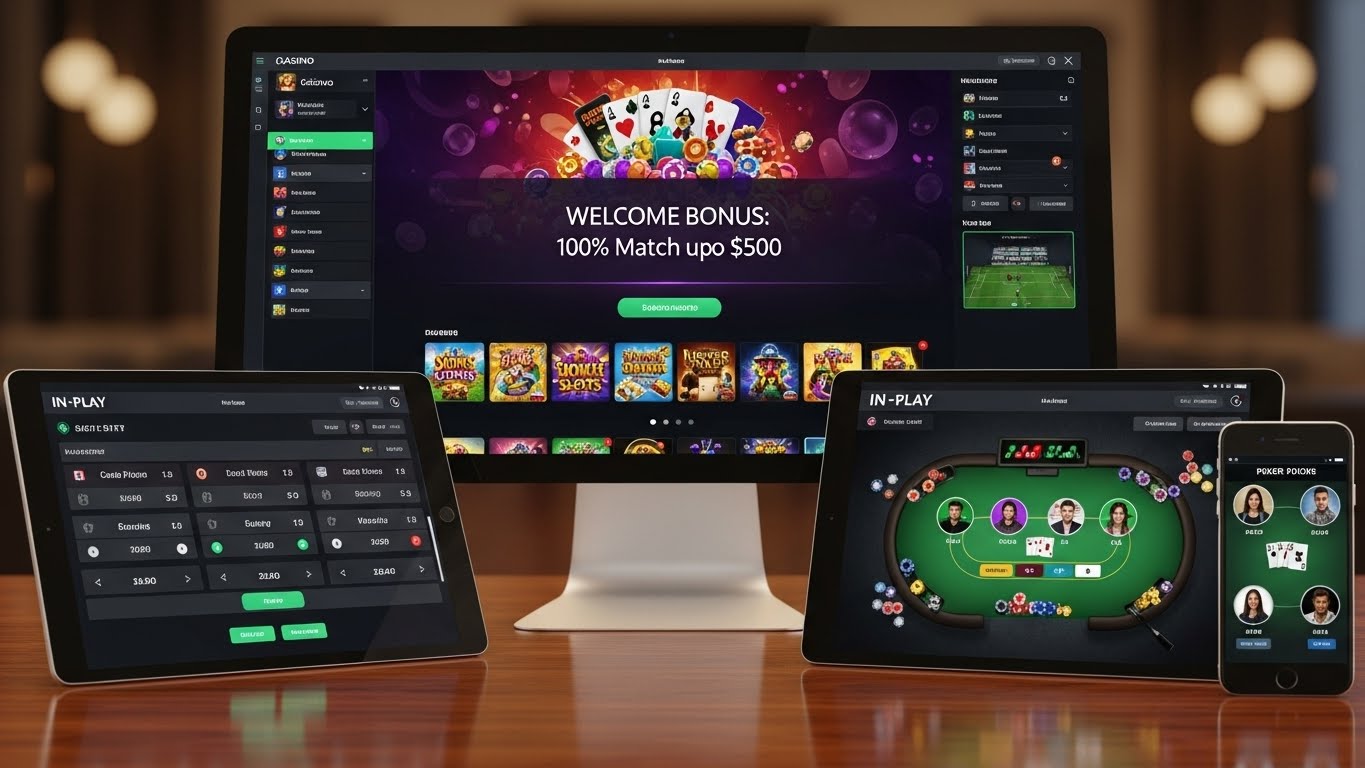
One of the most significant technological advancements in iGaming has been the rise of mobile gaming. As smartphones became more powerful and internet access became ubiquitous, mobile gaming quickly became a dominant force in the industry. Players can now enjoy a variety of games, from slots and blackjack to poker and sports betting, all at the touch of a button.
Mobile optimization is no longer a luxury; it is a necessity for iGaming operators. To stay competitive, platforms must provide seamless mobile experiences, offering user-friendly interfaces, fast loading times, and intuitive gameplay. Many iGaming operators have developed dedicated mobile apps to cater to the growing number of mobile-first players, further enhancing accessibility and convenience.
Virtual Reality (VR) and Augmented Reality (AR)
Another groundbreaking technological development in the iGaming sector is the use of virtual reality (VR) and augmented reality (AR). VR casinos, which allow players to immerse themselves in a fully 3D environment, are changing the way players experience online gambling. Players can walk around a virtual casino, interact with dealers, and engage with other players, creating a more realistic and engaging experience compared to traditional online casinos.
AR, on the other hand, is being used to enhance traditional games by overlaying digital elements on the physical world. For example, some sports betting platforms are experimenting with AR to display live statistics and odds directly on the screen during a game, creating an interactive and engaging experience for users.
These technologies not only provide a more engaging experience for players but also help operators differentiate themselves in a crowded market. As VR and AR technology continue to improve, it is likely that more iGaming operators will incorporate these technologies into their platforms to offer immersive, next-level gaming experiences.
Blockchain and Cryptocurrencies
Blockchain technology and cryptocurrencies have also made a significant impact on the iGaming industry. Blockchain offers transparency and security, allowing players to trust that games are fair and that their financial transactions are secure. Some online casinos are even adopting cryptocurrencies like Bitcoin and Ethereum as payment options, providing players with faster, cheaper, and more anonymous methods of conducting transactions.
Additionally, blockchain can be used to verify the fairness of games by allowing players to access a transparent and immutable record of the game’s history. This level of transparency has the potential to reduce concerns about cheating or manipulation, which can be a significant issue in the online gambling industry.
Trends Shaping the Future of iGaming
As the iGaming industry continues to evolve, several key trends are expected to shape its future trajectory. These trends highlight the ongoing innovation and adaptation within the sector, driven by changing player preferences and technological advancements.
Rise of Esports Betting
Esports, or competitive video gaming, has exploded in popularity over the last decade. As esports tournaments and leagues have gained mainstream recognition, they have created new opportunities for iGaming operators to expand their offerings. Esports betting has become a booming niche within the iGaming sector, allowing players to place wagers on the outcomes of major esports events.
The appeal of esports betting lies in the fact that it attracts a younger, tech-savvy audience, many of whom are already familiar with video gaming. In addition, the fast-paced nature of esports matches, along with the global following of popular games like League of Legends, Dota 2, and Counter-Strike, makes it an exciting and dynamic form of betting.
As the esports industry continues to grow, it is expected that more iGaming platforms will integrate esports betting into their offerings. Furthermore, partnerships between esports organizations and traditional iGaming operators may become more common as both sectors look to capitalize on this rapidly growing market.
Live Dealer Games
Live dealer games, which involve real human dealers interacting with players in real-time through video streaming, have become increasingly popular in recent years. These games provide a more immersive and authentic casino experience, bridging the gap between online and land-based casinos. Players can participate in games like blackjack, roulette, baccarat, and poker, while interacting with professional dealers and other players in real-time.
The continued growth of live dealer games is expected as iGaming operators invest in high-quality streaming technology and expand their live game offerings. This trend aligns with the increasing demand for authentic and social gaming experiences, where players can engage with real people rather than relying solely on algorithms.
Regulatory Evolution
The regulatory landscape surrounding iGaming is evolving as governments and regulatory bodies adapt to the growth of the industry. While some countries have fully embraced online gambling, others remain hesitant or have imposed strict regulations. The regulatory environment will continue to play a crucial role in shaping the future of iGaming, particularly with regard to responsible gambling practices, consumer protection, and taxation.
As more jurisdictions legalize and regulate iGaming, operators will need to ensure compliance with local laws and regulations. This will likely lead to increased standardization across the industry, making it easier for players to navigate the different legal frameworks and for operators to expand into new markets.
The Future of iGaming
Looking ahead, the future of iGaming appears to be bright, with continued innovation and growth on the horizon. As technology continues to advance, players will have access to more immersive, interactive, and secure gaming experiences than ever before. Mobile gaming, virtual reality, blockchain, and esports betting will all play significant roles in shaping the industry’s future, while regulatory frameworks continue to evolve in response to the industry’s expansion.
The key to success in the iGaming industry will be an operator’s ability to adapt to changing trends, embrace new technologies, and prioritize player experience. By staying ahead of the curve and meeting the demands of an ever-evolving market, iGaming platforms can continue to thrive and deliver exceptional entertainment to players around the globe.
As more people continue to embrace online gaming as a form of entertainment, the iGaming industry is poised to become an even more integral part of the digital entertainment landscape in the years to come.