
Introduction: The Digital Revolution of Gambling
The world of gambling has undergone a dramatic transformation in the last few decades, with traditional brick-and-mortar casinos facing stiff competition from the rise of iGaming. What once required a trip to a physical casino or betting shop can now be enjoyed from the comfort of one’s home. This shift from offline to online gaming has opened up a whole new world of possibilities for players and businesses alike. iGaming is not just a passing trend—it’s a global phenomenon that continues to reshape the gambling industry.
What is iGaming?
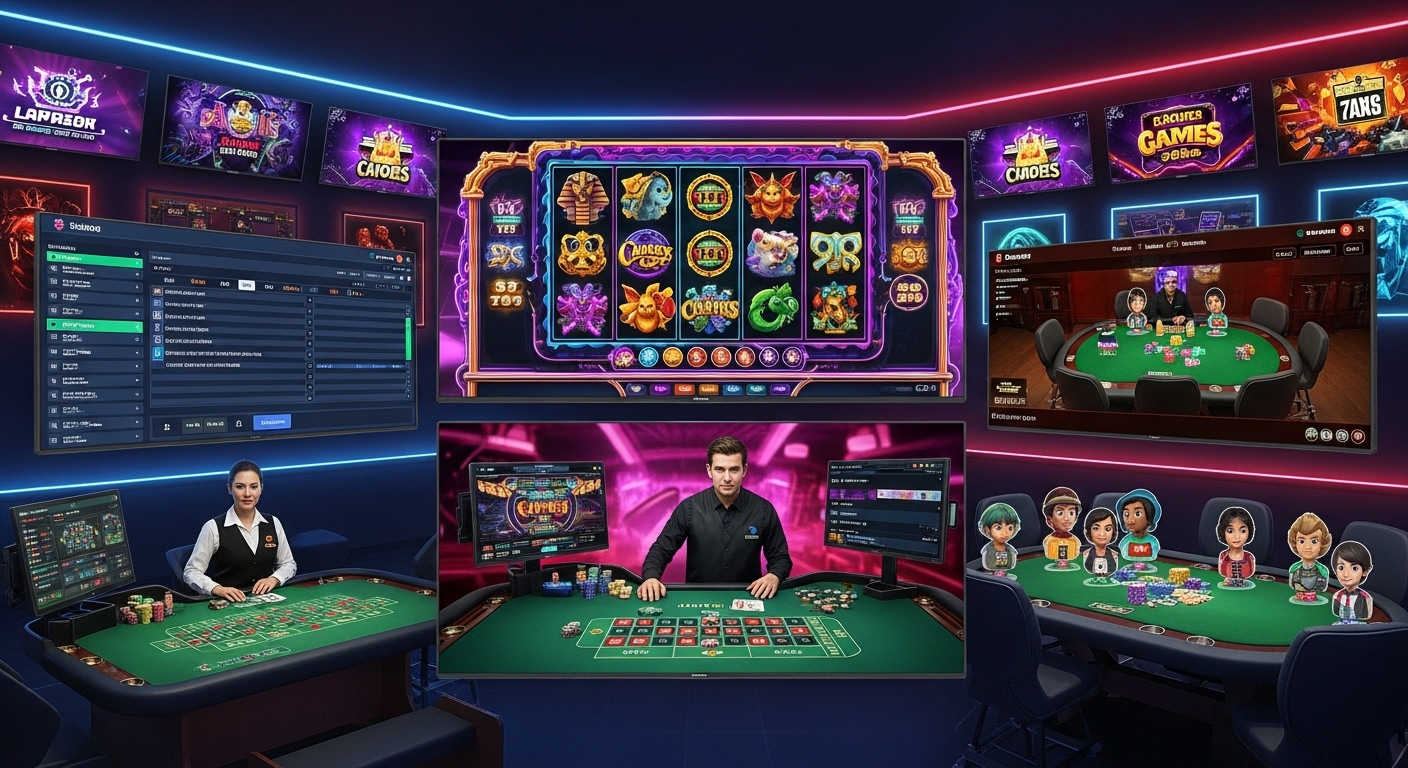
iGaming refers to all forms of online gaming and gambling, including casino games, sports betting, poker, and even virtual gaming. Essentially, it’s any game that involves real money wagers and can be played over the internet. It includes everything from slot machines and roulette to online poker tournaments and fantasy sports leagues. The core appeal of iGaming lies in its convenience and accessibility. Players can log in from anywhere, at any time, and engage in their favorite games, whether they’re on a laptop, tablet, or smartphone.
The Growth of iGaming: A Global Trend
Over the past decade, the iGaming industry has seen exponential growth, driven by advancements in technology, evolving consumer preferences, and the expanding legalization of online gambling in many parts of the world. According to industry reports, the global iGaming market is projected to continue its rapid growth, with billions of dollars in revenue expected to flow into the sector over the next few years.
A major factor fueling this growth is the increasing availability of high-speed internet and the proliferation of mobile devices. With more people around the world having access to smartphones and reliable internet connections, the barriers to participating in iGaming have significantly decreased. Additionally, the continuous development of more sophisticated gaming platforms and virtual experiences keeps players engaged and coming back for more.
Innovation in iGaming Technology
The technology behind iGaming has evolved significantly, allowing for a more immersive and user-friendly experience. Virtual reality (VR) and augmented reality (AR) are on the verge of creating a new wave of online gaming, making games more lifelike and interactive. For example, VR casinos offer a highly realistic experience, where players can virtually step into a casino environment and interact with other players as though they were physically present.
Furthermore, advancements in artificial intelligence (AI) are being used to enhance game mechanics, create more sophisticated player profiles, and even provide tailored gambling experiences. AI algorithms can analyze a player’s behavior and preferences, adjusting the gameplay to match their individual style or recommend new games. This personalization not only improves user experience but also encourages longer engagement with the platform.
The Role of Cryptocurrency in iGaming
Cryptocurrencies like Bitcoin, Ethereum, and others have found a unique niche in the iGaming world. These digital currencies offer players a level of anonymity, security, and convenience that traditional payment methods often lack. Cryptocurrency transactions are fast, secure, and typically come with lower transaction fees compared to traditional banking methods.
The integration of cryptocurrencies into iGaming platforms has opened up opportunities for cross-border gaming, as digital currencies bypass traditional banking systems and allow users to wager in a more decentralized manner. This is particularly important in jurisdictions where traditional gambling options might be restricted or heavily regulated.
Legal Landscape and Regulation of iGaming
While iGaming continues to grow, its legal landscape remains complex and varied across different regions. Some countries have fully embraced online gambling, introducing clear regulatory frameworks that protect consumers and ensure fair play. Others have imposed restrictions or outright bans, citing concerns about addiction, money laundering, and the potential for fraud.
As the demand for iGaming continues to rise, regulators around the world are working to strike a balance between fostering innovation and ensuring responsible gaming. In markets where iGaming is legal, operators must adhere to strict regulations, including age verification, secure payment methods, and ensuring the fairness of games through independent audits.
Responsible Gaming in the iGaming Industry
With the increasing popularity of iGaming comes a growing concern about responsible gambling. The ease of access and the 24/7 availability of online gaming can make it challenging for some individuals to manage their gambling habits. In response to this, many iGaming platforms are implementing measures to promote responsible gaming, such as self-exclusion tools, deposit limits, and links to counseling services.
Additionally, a growing number of iGaming platforms are adopting fair gaming practices, ensuring that all games are transparent and that the odds of winning are clearly stated. This helps to foster a safe and trustworthy environment where players can enjoy their experience without the risk of unfair treatment or hidden costs.
The Social and Cultural Impact of iGaming
While iGaming has primarily been seen as a form of entertainment, it is also changing the way we think about gambling. Online gaming platforms have shifted the focus from physical locations to virtual communities. Many iGaming platforms host live dealer games, where players can interact with professional dealers in real time, creating a more social experience.
Furthermore, competitive iGaming (such as eSports) has garnered a massive following, attracting millions of spectators and participants worldwide. eSports tournaments, where players compete in video games for cash prizes, are now broadcasted on platforms like Twitch and YouTube, with sponsorships and media deals rivaling those of traditional sports. This has helped establish gaming as a legitimate form of entertainment in its own right, blurring the lines between traditional sports and digital gaming.
Conclusion: The Future of iGaming
The future of iGaming looks incredibly promising. With the continuous growth of mobile gaming, the integration of innovative technologies, and a more accepting attitude toward online gambling, the industry is poised to reach new heights. The key challenge moving forward will be balancing innovation with regulation, ensuring that the excitement and convenience of iGaming don’t come at the expense of player safety and fairness.
As the industry continues to evolve, we can expect even more immersive and diverse gaming experiences to emerge, offering players endless opportunities for entertainment. The global iGaming community is stronger than ever, and it will undoubtedly continue to shape the future of online entertainment in the years to come.