
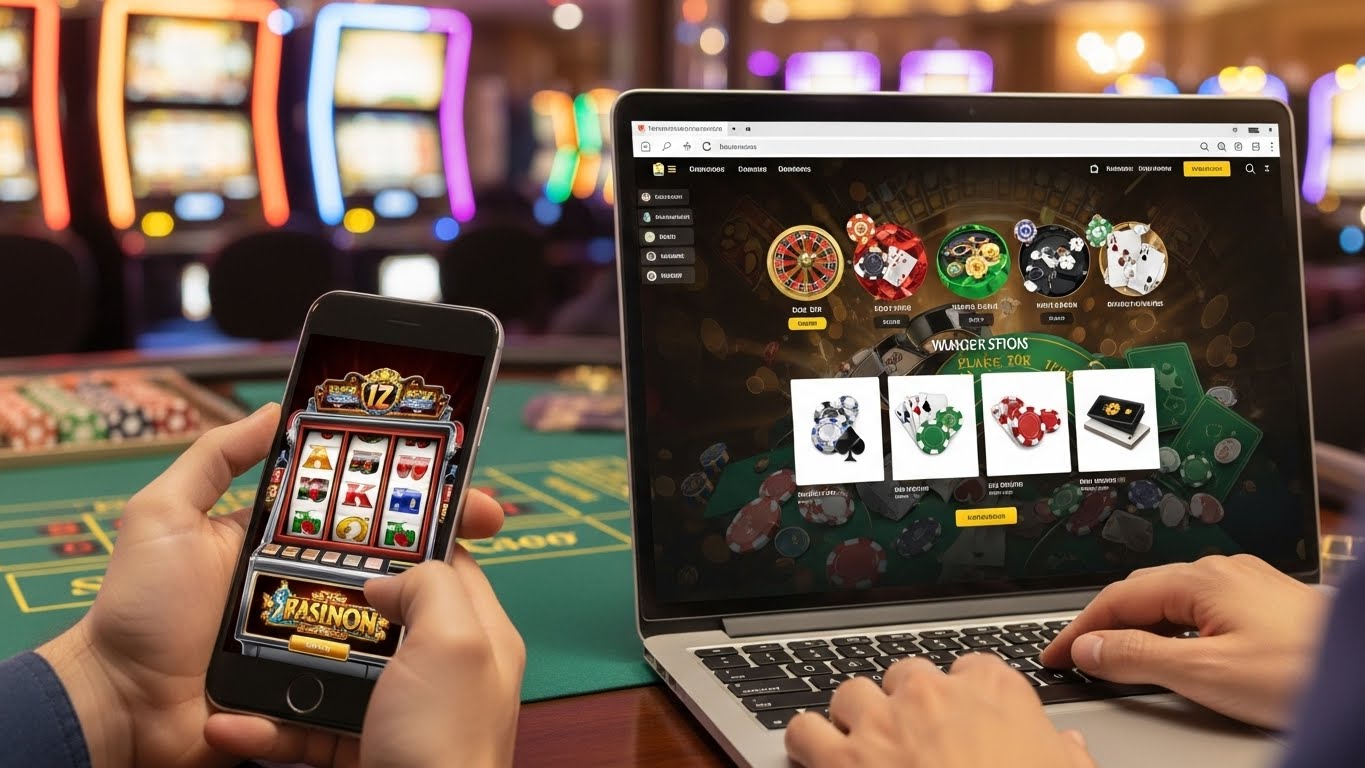
In the digital age, the world of online gaming has evolved into a multi-billion-dollar industry that has captivated millions of players across the globe. Among its various sectors, iGaming has emerged as one of the most exciting and profitable. This relatively new segment of the entertainment world has reshaped how people engage with gaming and gambling. From online casinos to esports and virtual sports betting, iGaming offers a diverse range of gaming options that continue to grow in popularity. This blog post delves deep into the world of iGaming, exploring its growth, key components, regulatory challenges, and the future of this rapidly evolving industry.
What is iGaming?
iGaming, short for internet gaming, refers to all forms of gambling activities that take place online. This includes casino games, sports betting, poker, bingo, esports betting, and virtual games. The iGaming sector is vast, encompassing a wide range of platforms and games where users can gamble for real money or play for fun. The growth of iGaming has been fueled by the increasing use of mobile devices, advancements in internet technology, and the ever-expanding range of gaming options available to players.
The key distinction between traditional forms of gambling and iGaming is the fact that iGaming happens over the internet, allowing players to participate in games from the comfort of their homes or on the go via mobile apps. With the advent of online casinos and sportsbooks, players no longer need to visit a physical venue to place bets, play poker, or spin a roulette wheel. Instead, everything can be done through an internet connection.
The Evolution and Growth of iGaming
iGaming’s journey began in the mid-1990s when the first online casinos emerged, marking the beginning of a new era in the gambling world. The first online gambling platform, called the InterCasino, was launched in 1996, and it allowed players to play games such as blackjack and roulette over the internet for real money. The growth of the iGaming industry was initially slow due to the limited reach of the internet and the skepticism surrounding online security and fairness.
However, with the rapid expansion of the internet, coupled with advancements in technology, the iGaming industry soon experienced explosive growth. The rise of broadband internet in the early 2000s allowed for faster and more seamless gaming experiences. Moreover, the introduction of mobile gaming has been a game-changer, allowing users to access iGaming platforms from smartphones and tablets at any time and from anywhere.
Today, iGaming is a thriving industry with revenue figures surpassing billions of dollars each year. According to various reports, the global iGaming market size was valued at over $60 billion in 2023 and is projected to grow exponentially in the coming years. The emergence of online sportsbooks and the global popularity of esports betting are key contributors to this expansion.
Types of iGaming Platforms and Games
The iGaming sector is incredibly diverse, catering to a wide range of players with different preferences and interests. Here are some of the most popular types of iGaming platforms and games:
1. Online Casinos
Online casinos are one of the cornerstones of iGaming. These platforms allow players to experience traditional casino games such as blackjack, roulette, baccarat, slots, and poker. The games are typically powered by software providers like Microgaming, NetEnt, and Evolution Gaming, which offer high-quality graphics and seamless gameplay.
Players can enjoy the thrill of the casino environment without ever leaving their homes. Online casinos also offer live dealer games, where players can interact with real-life dealers via video stream, making the experience more authentic.
2. Sports Betting
Sports betting is a significant component of iGaming, with platforms offering betting opportunities on a wide range of sports such as football, basketball, tennis, and even niche sports like darts and cricket. Online sportsbooks allow players to place bets on games, tournaments, and events in real time.
With the advent of mobile apps, sports betting has become even more convenient, as users can track odds, place bets, and receive real-time updates and notifications about their wagers. In addition, the rise of in-play betting (betting during the live event) has brought new excitement to sports gambling.
3. Poker Rooms
Online poker has grown into a massive sub-industry within iGaming. Platforms like PokerStars, 888Poker, and PartyPoker allow players to participate in various poker formats, from Texas Hold’em to Omaha, and compete against others worldwide. The popularity of online poker has led to the creation of major tournaments such as the World Series of Poker (WSOP) and World Poker Tour (WPT), which are streamed online and attract millions of viewers.
4. Bingo and Lottery
Online bingo and lottery platforms have become a favorite pastime for casual gamblers. The ease of play and the community aspects of these games attract players of all ages. With the chance to win large jackpots, bingo has become more than just a game of chance; it’s a social experience where players can interact with others.
5. Esports Betting
The rise of competitive gaming or esports has given birth to a new form of betting: esports betting. Players can place wagers on video game tournaments for titles such as League of Legends, Dota 2, Counter-Strike: Global Offensive, and Fortnite. Esports betting has gained massive traction, particularly among younger audiences, with millions of dollars in prize money at stake.
Regulatory Challenges and Legalities in iGaming
While the iGaming industry continues to grow, it faces numerous challenges related to regulation, legality, and security. The global nature of online gaming makes it difficult for authorities to regulate and oversee all aspects of the industry. Different countries have different laws and regulations surrounding gambling, which means that iGaming operators must navigate a complex web of legal frameworks to operate legally in different jurisdictions.
For instance, some countries, like the United Kingdom and Malta, have well-established regulatory frameworks that allow iGaming operators to operate in a safe and secure environment. In contrast, other countries have strict laws that either ban online gambling outright or impose heavy restrictions on the types of games and betting activities allowed.
One of the major concerns regarding iGaming is gambling addiction. The accessibility and convenience of online gambling make it easier for individuals to develop problematic gambling behaviors. In response, many iGaming platforms have implemented responsible gaming measures such as self-exclusion tools, deposit limits, and links to gambling addiction resources.
The Future of iGaming
The future of iGaming is bright, with several key trends shaping the industry’s evolution. Some of the major trends to watch out for include:
1. Virtual and Augmented Reality (VR/AR)
One of the most exciting innovations in iGaming is the potential for virtual reality (VR) and augmented reality (AR) to revolutionize the gaming experience. VR casinos and poker rooms are already being tested, allowing players to immerse themselves in a lifelike gambling environment where they can interact with other players and dealers in real time. This technology could bring the online gambling experience to new heights, making it even more engaging and realistic.
2. Cryptocurrency and Blockchain
The integration of cryptocurrency and blockchain technology into iGaming platforms is another area to watch. Cryptocurrencies like Bitcoin, Ethereum, and others are already being used for online gambling transactions, offering benefits such as faster payments, lower transaction fees, and enhanced privacy. Blockchain technology is also being explored for ensuring fairness and transparency in gaming outcomes.
3. Mobile Gaming
Mobile gaming will continue to be a driving force in the iGaming industry. As smartphones become more powerful and internet connectivity improves, mobile iGaming platforms will see further enhancements. Mobile apps that offer live dealer games, sports betting, and online poker will make it even more convenient for players to engage with their favorite games on the go.
4. AI and Machine Learning
Artificial intelligence (AI) and machine learning are increasingly being used to enhance the gaming experience. AI-powered algorithms can analyze player behavior to offer personalized gaming experiences, recommend games based on preferences, and even detect problem gambling behavior. AI is also being used to improve game design and create more realistic simulations.
Conclusion
The iGaming industry has come a long way since its inception in the mid-1990s. With the continuous advancements in technology, the sector is poised for even greater growth in the years to come. Online casinos, sports betting, poker rooms, and esports are just a few of the diverse options available to players worldwide. As the industry expands, it will face challenges related to regulation, security, and responsible gaming. However, with the right framework in place, iGaming has the potential to become a dominant force in the global entertainment landscape.
Whether you’re a casual player or a serious gambler, the world of iGaming offers endless possibilities, and its future is one to watch.