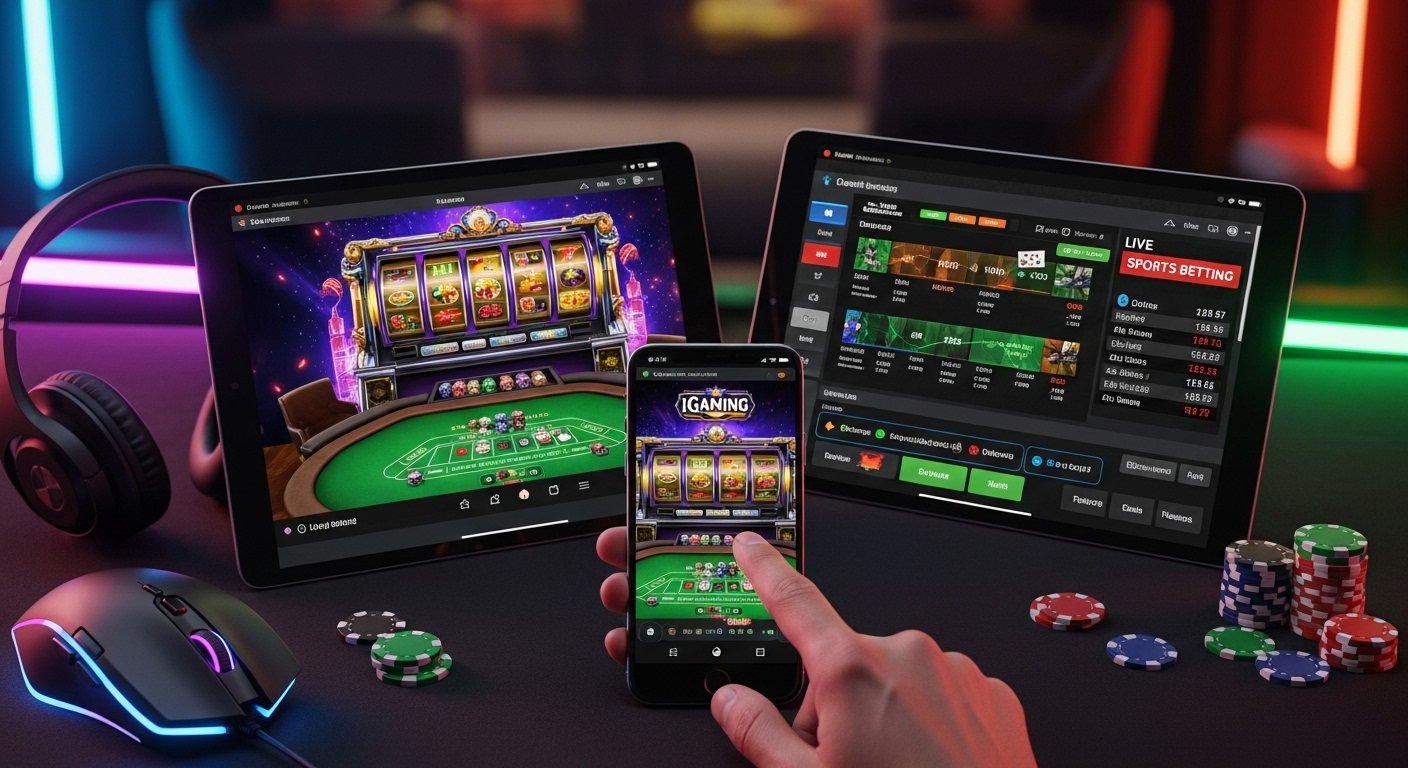

The world of online gambling, commonly referred to as iGaming, has seen an explosion of growth and innovation in recent years. From its humble beginnings in the mid-90s, iGaming has evolved into a multi-billion-dollar industry, offering a vast array of games, betting options, and experiences. With the growth of internet accessibility, mobile technology, and online payment systems, iGaming has redefined the way people engage with gambling. In this post, we will explore the evolution of iGaming, the technologies driving its growth, the regulatory landscape, and what the future holds for this exciting industry.
What is iGaming?
iGaming, short for “internet gaming,” refers to gambling activities that take place over the internet. This includes a variety of games such as online casino games (slots, poker, blackjack, etc.), sports betting, virtual sports, eSports betting, and online lottery. In essence, iGaming covers any gambling activity that allows players to place bets or play games via an online platform, using real money or virtual currency.
Unlike traditional brick-and-mortar casinos, which are confined to physical locations, iGaming platforms allow players to access their favorite games from anywhere in the world, at any time, using their computers, smartphones, or tablets. The ease of access, combined with the variety of gambling options, has made iGaming incredibly popular among modern gamblers.
The History of iGaming: From Niche to Global Phenomenon
The origins of iGaming can be traced back to the mid-1990s, when the internet was starting to become more widely accessible. The first significant breakthrough came in 1994, when Antigua and Barbuda passed the Free Trade & Processing Act, which allowed licenses for online gambling operators to be issued. This move laid the foundation for the creation of the first online casinos, which began to emerge shortly thereafter.
In 1996, the first online casino, InterCasino, was launched. It was a revolutionary concept at the time, allowing players to access traditional casino games like blackjack and roulette from the comfort of their own homes. The popularity of online casinos quickly grew, and by the late 1990s, more online casinos began to appear, offering an expanding range of games and betting options.
By the early 2000s, the rise of sports betting and poker rooms added new dimensions to the iGaming industry. The launch of PokerStars and PartyPoker in the early 2000s marked the beginning of a global poker boom, with millions of players flocking online to participate in cash games and tournaments. This helped solidify iGaming’s position as a legitimate and thriving industry.
As internet speeds improved and mobile technology advanced, online gambling platforms became more accessible and user-friendly. The arrival of smartphones in the late 2000s further accelerated the growth of iGaming, allowing players to gamble on-the-go. Today, the iGaming industry continues to grow rapidly, with billions of dollars in annual revenue and millions of active players worldwide.
The Technologies Driving iGaming’s Growth
One of the key reasons for the rapid growth of iGaming is the continuous advancement of technology. Several technological innovations have played a crucial role in transforming the industry, making online gambling more engaging, secure, and accessible than ever before. Some of the most notable technological drivers include:
1. Mobile Technology
The advent of smartphones has been a game-changer for iGaming. Mobile technology allows players to enjoy their favorite games anywhere, whether they are commuting, traveling, or relaxing at home. Mobile-optimized websites and dedicated gambling apps have made it easy for players to access a wide range of casino games, sports betting, and live dealer options with just a few taps on their screens.
With mobile gaming, operators can offer a more personalized and interactive experience. Mobile platforms also allow for instant deposits and withdrawals, making it easier for players to manage their funds. The convenience of mobile gaming has played a major role in attracting younger, tech-savvy audiences to the iGaming space.
2. Live Dealer Games
Live dealer games have been a significant innovation in the iGaming industry, offering a more authentic and interactive gambling experience. Live dealer games use video streaming technology to broadcast real-time casino games, such as blackjack, roulette, baccarat, and poker, with real human dealers. Players can interact with the dealer and other players via live chat, creating a more social and engaging experience.
Live dealer games bridge the gap between traditional land-based casinos and online gambling, offering players the best of both worlds. They combine the convenience of online gambling with the excitement of real-time action, all while maintaining the personal touch that is often lacking in computer-generated games.
3. Blockchain and Cryptocurrencies
Blockchain technology and cryptocurrencies have emerged as an important innovation in the iGaming space. Blockchain offers a decentralized and transparent method of conducting transactions, providing players with greater security and privacy. This technology ensures that all betting activities and transactions are recorded in an immutable ledger, reducing the risk of fraud and manipulation.
Cryptocurrencies, such as Bitcoin, Ethereum, and Litecoin, have become increasingly popular as payment methods in online gambling. These digital currencies offer fast, secure, and anonymous transactions, making them ideal for iGaming platforms. Players can deposit and withdraw funds without the need for traditional banking systems, which can be slow or costly.
Additionally, blockchain-based casinos and decentralized gambling platforms are beginning to emerge, offering players a fully transparent and secure gaming experience. These platforms allow players to verify the fairness of games, ensuring that the outcomes are truly random and not manipulated by operators.
4. Artificial Intelligence and Machine Learning
Artificial intelligence (AI) and machine learning are transforming many industries, and iGaming is no exception. AI-driven algorithms are used to enhance player experiences, detect fraudulent activity, and personalize gaming options. For example, AI can analyze a player’s behavior and preferences to offer tailored game recommendations and promotional offers.
AI is also used to improve the security of online gambling platforms. Machine learning algorithms can detect patterns of suspicious activity, such as account hacking, money laundering, or collusion in online poker games. This helps operators identify and prevent fraudulent activities, ensuring a safer and more secure environment for players.
5. Virtual Reality (VR) and Augmented Reality (AR)
While still in the early stages, virtual reality (VR) and augmented reality (AR) are beginning to make their way into the iGaming world. VR can offer an immersive, 3D gambling experience, where players can virtually step into a casino environment and interact with dealers and other players as though they were physically present.
Similarly, AR has the potential to enhance mobile and online gaming by overlaying virtual elements onto the real world. For example, AR can be used to create interactive poker games or sports betting experiences that blend the physical and digital worlds.
While these technologies are still in their infancy, they represent an exciting frontier for the future of iGaming.
The Regulatory Landscape of iGaming
The rapid growth of iGaming has raised important regulatory and legal concerns, as governments around the world seek to ensure that the industry operates in a safe, secure, and fair manner. Each country has its own set of laws and regulations governing online gambling, and these regulations can vary widely.
In some jurisdictions, iGaming is fully regulated and licensed, with operators required to meet strict standards for fairness, security, and responsible gambling. For example, the United Kingdom and several European countries have established regulatory bodies that oversee iGaming operations, ensuring that players are protected and that operators comply with legal requirements.
However, there are still many countries where online gambling is either illegal or exists in a grey area. In some places, players may access offshore gambling sites, but these sites are not subject to local regulations, which can increase the risk of fraud and other issues.
As the global iGaming market continues to grow, the need for international cooperation and standardization of regulations will become increasingly important. Many industry experts predict that we will see more countries adopt comprehensive regulations that balance player protection with the desire for economic growth in the iGaming sector.
The Future of iGaming: What’s Next?
The future of iGaming looks incredibly promising, with continuous technological advancements and shifting player preferences shaping the direction of the industry. Some of the key trends and developments to watch in the coming years include:
1. Expansion of Mobile Gaming
As mobile devices continue to dominate the digital landscape, mobile gaming will only grow in importance. iGaming operators will continue to optimize their platforms for mobile devices, offering seamless experiences across smartphones, tablets, and wearables. The demand for mobile-first gambling experiences will continue to rise, especially as younger players, who are accustomed to mobile apps, enter the market.
2. Integration of AI and Personalization
Artificial intelligence will play an increasingly significant role in personalizing the iGaming experience. By analyzing data on player behavior, AI systems will provide tailored game recommendations, customized bonuses, and dynamic odds, enhancing player engagement and satisfaction.
3. Growth of eSports Betting
As eSports continues to grow in popularity, eSports betting will become an even bigger part of the iGaming market. With professional gaming tournaments attracting millions of viewers, betting on eSports has the potential to rival traditional sports betting in the coming years.
4. Blockchain and Cryptocurrency Adoption
Blockchain technology and cryptocurrencies will continue to disrupt the iGaming industry, offering players greater transparency, security, and privacy. As these technologies become more mainstream, we can expect an increasing number of iGaming platforms to adopt blockchain for payments and game fairness.
5. Virtual and Augmented Reality Gambling
While still emerging, VR and AR technologies are expected to transform the iGaming landscape. In the future, players could enjoy fully immersive casino environments, interactive poker games, and augmented sports betting experiences that blur the lines between the physical and digital worlds.