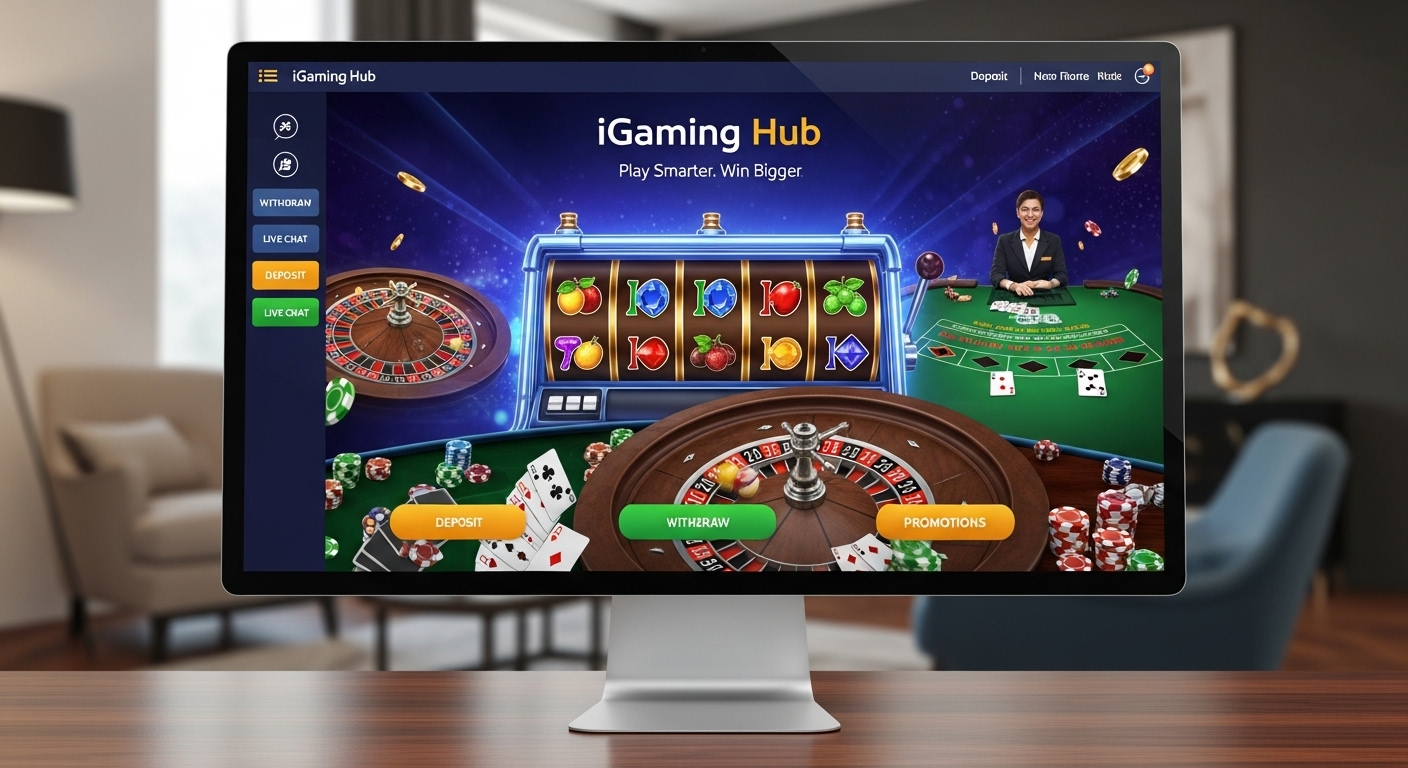

The gaming landscape has undergone a monumental shift over the last decade, fueled by rapid advancements in technology and a growing global appetite for digital entertainment. Among the most fascinating developments in this arena is iGaming – a term that encompasses online gambling, betting, casino games, and interactive digital wagering. This sector has expanded far beyond its initial niche, becoming a multi-billion-dollar industry that continues to attract players from every corner of the world. In this post, we will explore the evolution, technology, trends, challenges, and future of iGaming, providing a comprehensive overview of this captivating digital domain.
Understanding iGaming
iGaming, or interactive gaming, refers to the act of participating in gambling activities through digital platforms rather than traditional physical venues. This includes online casinos, poker, sports betting, lottery, bingo, and e-sports wagering. Unlike conventional gambling, iGaming leverages the power of the internet, mobile devices, and sophisticated software to provide immersive, accessible, and real-time gaming experiences.
The appeal of iGaming lies in its convenience, variety, and interactivity. Players can enjoy a roulette table in Europe, a poker tournament in Asia, or a slot game in North America without leaving the comfort of their homes. This accessibility has been a driving factor behind the sector’s exponential growth, particularly among younger demographics who are accustomed to digital entertainment.
The Evolution of Online Gambling
The journey of iGaming began in the mid-1990s with the emergence of the first online casinos. These early platforms were rudimentary by today’s standards but laid the foundation for a global digital gambling industry. Initially, players relied on downloadable software or simple browser-based platforms that offered a limited range of games, such as blackjack, roulette, and basic slot machines.
As internet speeds improved and technology evolved, iGaming platforms became more sophisticated. The introduction of live dealer games brought a new level of realism, allowing players to interact with human dealers in real-time while streaming high-definition video feeds. This innovation effectively bridged the gap between physical casinos and online platforms, offering the best of both worlds.
Mobile gaming has also played a pivotal role in iGaming’s evolution. Smartphones and tablets enable players to access games anytime, anywhere, making gambling a highly flexible and personalized experience. This mobile revolution has prompted operators to optimize their platforms for handheld devices, ensuring smooth performance and intuitive interfaces.
Popular Types of iGaming
The iGaming industry is incredibly diverse, catering to a wide range of interests and preferences. Some of the most popular forms of iGaming include:
1. Online Casino Games
Online casinos are the cornerstone of the iGaming sector. They offer a variety of games including slots, table games like blackjack and roulette, and specialty games such as keno and scratch cards. Modern online casinos also feature progressive jackpots, which can reach staggering amounts, creating massive excitement among players.
2. Poker
Online poker has evolved into a sophisticated competitive environment, with platforms offering tournaments, cash games, and multi-table events. Poker enthusiasts are drawn to the strategy, skill, and social interaction that these platforms provide, often competing against players from around the globe.
3. Sports Betting
Sports betting has always been popular, but the digital transition has expanded its reach exponentially. Players can now place wagers on a variety of sports, including football, basketball, tennis, and esports. Real-time betting options and live score updates enhance the thrill, making it possible to adjust bets during ongoing events.
4. Bingo and Lottery
Online bingo and lottery games remain popular for casual players seeking simple, fun, and often socially interactive experiences. These games emphasize luck over skill and offer large prizes, appealing to players who enjoy low-stakes entertainment.
5. Esports Betting
The rise of competitive gaming has given birth to esports betting, a sector that merges the excitement of video games with gambling mechanics. Players can bet on professional gaming tournaments, including popular titles such as League of Legends, Counter-Strike, and Dota 2. This rapidly growing niche attracts younger audiences and diversifies the iGaming ecosystem.
Technology Behind iGaming
The iGaming industry thrives on cutting-edge technology. Modern online casinos and betting platforms leverage several innovations to ensure secure, fast, and immersive experiences.
1. Random Number Generators (RNG)
Random Number Generators are essential for maintaining fairness in online games. RNGs ensure that outcomes in slots, roulette, and card games are unpredictable and unbiased, replicating the randomness of a physical casino environment.
2. Live Streaming and Real-Time Interaction
Live dealer games use high-definition streaming technology to connect players with professional dealers in real-time. This setup often includes multiple camera angles, interactive chat, and realistic sound effects, creating a near-authentic casino experience.
3. Mobile Optimization
Mobile technology has transformed iGaming accessibility. Operators invest heavily in app development and responsive web design to ensure that games run seamlessly on all devices. Mobile apps often include push notifications, instant deposits, and intuitive interfaces for a smoother gaming experience.
4. Artificial Intelligence and Personalization
Artificial intelligence is increasingly employed to personalize gaming experiences. AI algorithms analyze player behavior to recommend games, optimize bonus offers, and detect patterns that could indicate problem gambling. This not only enhances player engagement but also promotes responsible gaming practices.
5. Blockchain and Cryptocurrencies
Blockchain technology and cryptocurrencies are becoming integral to iGaming. They provide enhanced transparency, secure transactions, and fast withdrawals. Some platforms even offer decentralized gaming, where outcomes are verifiable on the blockchain, increasing player trust.
iGaming Regulation and Compliance
Regulation is a critical aspect of iGaming, as it ensures fairness, safety, and responsible gambling practices. Different countries have varying approaches to regulating online gambling, which can impact market accessibility and player protection.
Licensing authorities, such as national gaming commissions, monitor operators to ensure compliance with legal and ethical standards. These regulations often cover issues such as age verification, anti-money laundering measures, and responsible gambling features. Operators failing to comply may face fines, license revocation, or restrictions on their services.
Regulation also reassures players that they are engaging with legitimate platforms. Secure transactions, fair game outcomes, and verified payouts are all dependent on strict regulatory frameworks.
Responsible Gambling in iGaming
While iGaming offers immense entertainment, it is essential to recognize the risks associated with online gambling. Problem gambling can lead to financial distress, mental health challenges, and social consequences. As a result, responsible gambling initiatives have become a cornerstone of the industry.
Operators implement various tools to promote responsible play, including deposit limits, self-exclusion programs, and activity monitoring. Educational resources help players understand the risks, recognize warning signs, and seek help if needed. Promoting responsible gambling not only protects players but also fosters trust and long-term engagement within the industry.
iGaming Trends in 2025
The iGaming industry continues to evolve, driven by technological innovation, player demand, and regulatory changes. Some notable trends include:
1. Virtual Reality Casinos
Virtual reality (VR) is transforming online casinos into immersive 3D environments. Players can explore virtual casino floors, interact with other users, and play games in a highly realistic setting, enhancing engagement and social interaction.
2. Gamification
Gamification adds an extra layer of entertainment by integrating game mechanics such as achievements, rewards, and leaderboards into iGaming platforms. This trend encourages continued play and creates a more dynamic gaming experience.
3. Social Gaming Integration
Platforms increasingly focus on social interaction, incorporating chat functions, multiplayer games, and community features. Players can form virtual communities, compete with friends, and share achievements, bridging the gap between social media and gambling.
4. Artificial Intelligence Enhancements
AI continues to refine personalization, predictive analytics, and fraud detection. By analyzing player behavior, AI ensures optimized gameplay, targeted promotions, and responsible gambling interventions.
5. Expansion in Emerging Markets
As internet penetration grows globally, iGaming is expanding into emerging markets with high potential. Operators are adapting their platforms to local languages, currencies, and cultural preferences to capture new audiences.
The Future of iGaming
The future of iGaming appears promising, with continuous technological innovations, expanding markets, and evolving player expectations. Integration with augmented reality (AR), AI-driven interactive experiences, and blockchain-based platforms are likely to define the next generation of iGaming.
Moreover, as regulators adopt more sophisticated approaches to oversight, the industry will become safer, more transparent, and increasingly player-focused. The combination of technology, accessibility, and entertainment will continue to attract new audiences, making iGaming one of the most dynamic sectors in digital entertainment.
Conclusion
iGaming has revolutionized the way we approach gambling, blending technology, creativity, and interactivity to create an unparalleled entertainment experience. From online casinos and sports betting to esports and virtual reality platforms, the possibilities are expanding rapidly. While challenges such as regulation and responsible gambling remain crucial, the industry’s commitment to innovation and player satisfaction ensures that iGaming will continue to flourish.
For players, the allure lies in the convenience, variety, and excitement that digital gambling provides. For operators, technological advancement and strategic innovation open doors to global markets and new revenue streams. Ultimately, iGaming represents a fascinating convergence of entertainment, technology, and strategy, promising an exciting future for players and industry stakeholders alike.