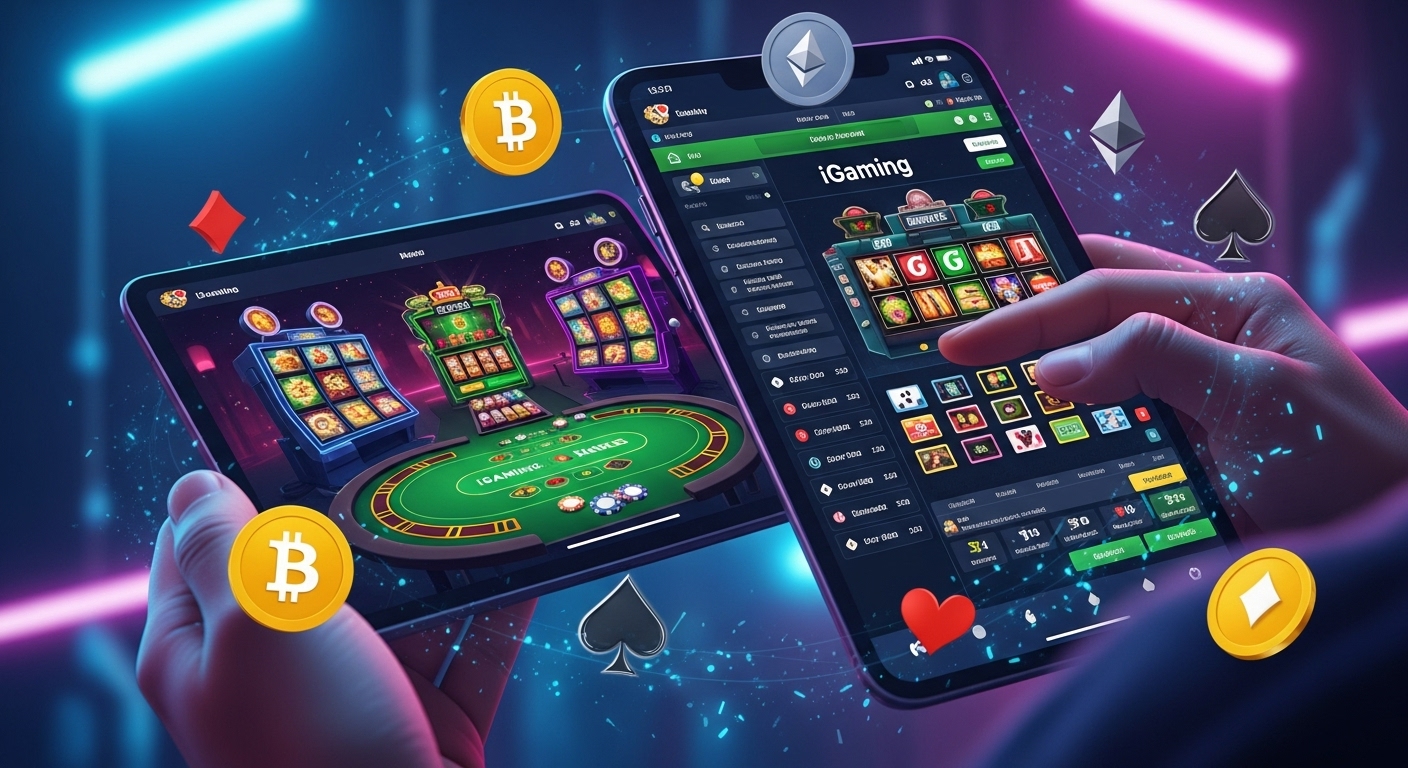

The landscape of entertainment has changed dramatically over the past few decades, with the rise of digital platforms offering a vast array of experiences that were once unimaginable. One of the most exciting and fast-growing sectors in the digital world is iGaming. With millions of players worldwide, iGaming is not just about placing bets or playing games — it’s a multi-billion-dollar industry that has revolutionized the way people engage with gaming and gambling. In this blog post, we will explore what iGaming is, its history, the types of games and platforms involved, its rapid growth, regulatory challenges, and the future prospects of this dynamic sector.
What is iGaming?
At its core, iGaming refers to all forms of gambling that take place online. This includes traditional casino games such as blackjack, roulette, and poker, as well as newer offerings like sports betting, esports, virtual sports, and even mobile games. The appeal of iGaming lies in its accessibility — players can participate in these games and betting activities anytime and anywhere, as long as they have an internet connection.
What distinguishes iGaming from traditional gambling is its delivery via digital platforms. While land-based casinos have long been a staple of the gambling world, the rise of online platforms has made gambling accessible to a wider audience. Players no longer need to travel to a physical location to enjoy the thrill of a casino, sports betting, or poker. Instead, the entire experience is brought to their fingertips, available through websites or mobile apps.
The Growth of iGaming: From Modest Beginnings to Global Phenomenon
iGaming is a relatively young industry, but its growth has been nothing short of spectacular. It all began in the mid-1990s, with the advent of the first online casinos. The very first online gambling site, InterCasino, launched in 1996 and gave players the ability to play casino games for real money over the internet. Initially, the concept was met with skepticism — many doubted the security and legitimacy of online gambling platforms. However, as internet technology improved and online security protocols became more robust, online casinos began to flourish.
In the early 2000s, the widespread availability of broadband internet and the development of more sophisticated gaming software helped propel the growth of online gambling. By the mid-2000s, major iGaming platforms began to emerge, offering a variety of games and sports betting options to a global audience. The introduction of mobile technology further fueled the industry’s growth, as smartphones and tablets made online gaming even more convenient and accessible.
As of today, the global iGaming market is worth billions of dollars. In 2023, the global online gambling market was estimated to be valued at over $60 billion, and it is expected to continue growing at a rapid pace. The COVID-19 pandemic further accelerated this growth, as more people turned to online entertainment during lockdowns. In fact, many iGaming operators reported record profits during this period.
Types of iGaming Platforms and Games
iGaming encompasses a wide range of platforms and games, catering to different tastes, preferences, and levels of expertise. Below are some of the most popular types of iGaming:
1. Online Casinos
Online casinos are perhaps the most well-known aspect of iGaming. These platforms allow players to enjoy a variety of casino games from the comfort of their own homes. The games offered on online casinos range from classic table games like blackjack, roulette, and baccarat to popular slot machines. Some online casinos also offer live dealer games, where real dealers run the games via video stream, giving players the feel of a real casino experience without leaving their home.
The technology behind these online casinos has advanced significantly over the years, offering impressive graphics, smooth gameplay, and even immersive experiences like virtual reality casinos. Software providers like Microgaming, NetEnt, and Evolution Gaming are known for their high-quality gaming offerings, and many online casinos partner with these providers to offer a wide range of gaming options.
2. Sports Betting
Sports betting has been a mainstay of the gambling world for centuries, and with the rise of iGaming, it has found a new home online. Online sportsbooks allow players to place bets on a variety of sports events, ranging from popular games like football, basketball, and tennis to niche sports such as cricket, darts, and even esports. Online sportsbooks have become increasingly sophisticated, with features like in-play betting (betting during live events) and cash-out options (allowing players to settle bets early).
With the rise of mobile betting apps, sports fans can now place bets on their favorite teams and events while on the go. The global expansion of sports betting has been aided by the legalization of online sports betting in many countries, including the United States, where states have been gradually legalizing sports betting in recent years.
3. Poker Rooms
Online poker is another major component of the iGaming sector. Platforms like PokerStars, 888Poker, and PartyPoker have helped bring poker to millions of players worldwide. The appeal of online poker lies in its combination of skill, strategy, and luck. Whether it’s a casual game of Texas Hold’em or a high-stakes tournament, online poker rooms offer a wide range of options for players of all skill levels.
Online poker has also given rise to major online poker tournaments such as the World Series of Poker (WSOP) and the World Poker Tour (WPT), which attract thousands of players and offer millions in prize money. The ability to compete against players from around the world has helped make online poker a global phenomenon.
4. Esports Betting
Esports — competitive video gaming — has exploded in popularity over the past decade. With millions of viewers and players worldwide, esports has become a major component of the iGaming industry. Esports betting allows players to place wagers on the outcomes of popular esports events and tournaments, such as those for League of Legends, Dota 2, Counter-Strike: Global Offensive, and Fortnite.
The rapid rise of esports betting is partly driven by the younger, tech-savvy audience that follows these games. Many esports events are streamed live on platforms like Twitch, creating a highly engaged fan base. With prize pools often reaching millions of dollars, esports betting has become a significant revenue stream within the broader iGaming industry.
5. Virtual Sports
Virtual sports are computer-generated simulations of real-world sports that players can bet on. These games are not based on actual events but rather on algorithms and random number generation. Virtual sports are available 24/7, providing players with an always-available form of entertainment. They are particularly popular among players who enjoy sports betting but want a quick and convenient way to place bets outside of traditional sports seasons.
The Challenges of Regulating iGaming
While iGaming has seen explosive growth, it has also raised significant regulatory challenges. The primary challenge lies in the global nature of the industry. Gambling laws and regulations vary widely between countries, and in some regions, online gambling is completely banned or heavily restricted. This has made it difficult for iGaming operators to establish a one-size-fits-all approach to regulation and compliance.
Some countries, like the United Kingdom, Malta, and Gibraltar, have established clear and effective regulatory frameworks that allow for safe and legal online gambling. These jurisdictions have implemented robust systems for licensing iGaming operators, ensuring that games are fair, that players’ funds are protected, and that gambling addiction is addressed.
On the other hand, many countries, particularly in the United States, have only recently started to grapple with the issue of online gambling regulation. In the U.S., sports betting was illegal at the federal level until the Supreme Court struck down the ban in 2018, allowing states to legalize and regulate sports betting individually. As of now, only a handful of states have fully legalized online gambling, while others continue to debate the issue.
One of the key concerns for regulators is problem gambling. With the increased accessibility of online gambling, there are concerns about players developing unhealthy gambling habits. Many iGaming platforms now incorporate responsible gaming measures, such as self-exclusion tools, deposit limits, and access to gambling addiction support services.
The Future of iGaming
The future of iGaming is promising, with several trends that are set to shape the industry in the coming years. Some of the most notable trends include:
1. Virtual Reality and Augmented Reality
Virtual reality (VR) and augmented reality (AR) have the potential to revolutionize the iGaming experience. VR casinos and poker rooms could offer an entirely immersive gambling experience, where players can interact with a 3D casino environment and fellow players. AR could enhance sports betting, allowing fans to overlay real-time stats and odds onto their surroundings.
2. Blockchain and Cryptocurrency
Blockchain technology is being increasingly integrated into iGaming platforms to provide transparency, security, and fairness. Cryptocurrency like Bitcoin and Ethereum are already being used for online gambling transactions, offering advantages such as faster transactions, lower fees, and enhanced privacy.
3. Mobile Gaming
Mobile gaming will continue to be a major force in the iGaming industry. As smartphones become more powerful and internet connections improve, the demand for mobile-compatible games and betting apps will grow. Mobile gaming makes iGaming more accessible, allowing players to enjoy their favorite games on the go.
4. AI and Personalization
Artificial intelligence (AI) is being used to enhance the iGaming experience by offering personalized recommendations and improving game design. AI algorithms can analyze player behavior and tailor the gaming experience to suit individual preferences. Additionally, AI can be used to detect problem gambling behavior, allowing platforms to take proactive steps to protect vulnerable players.