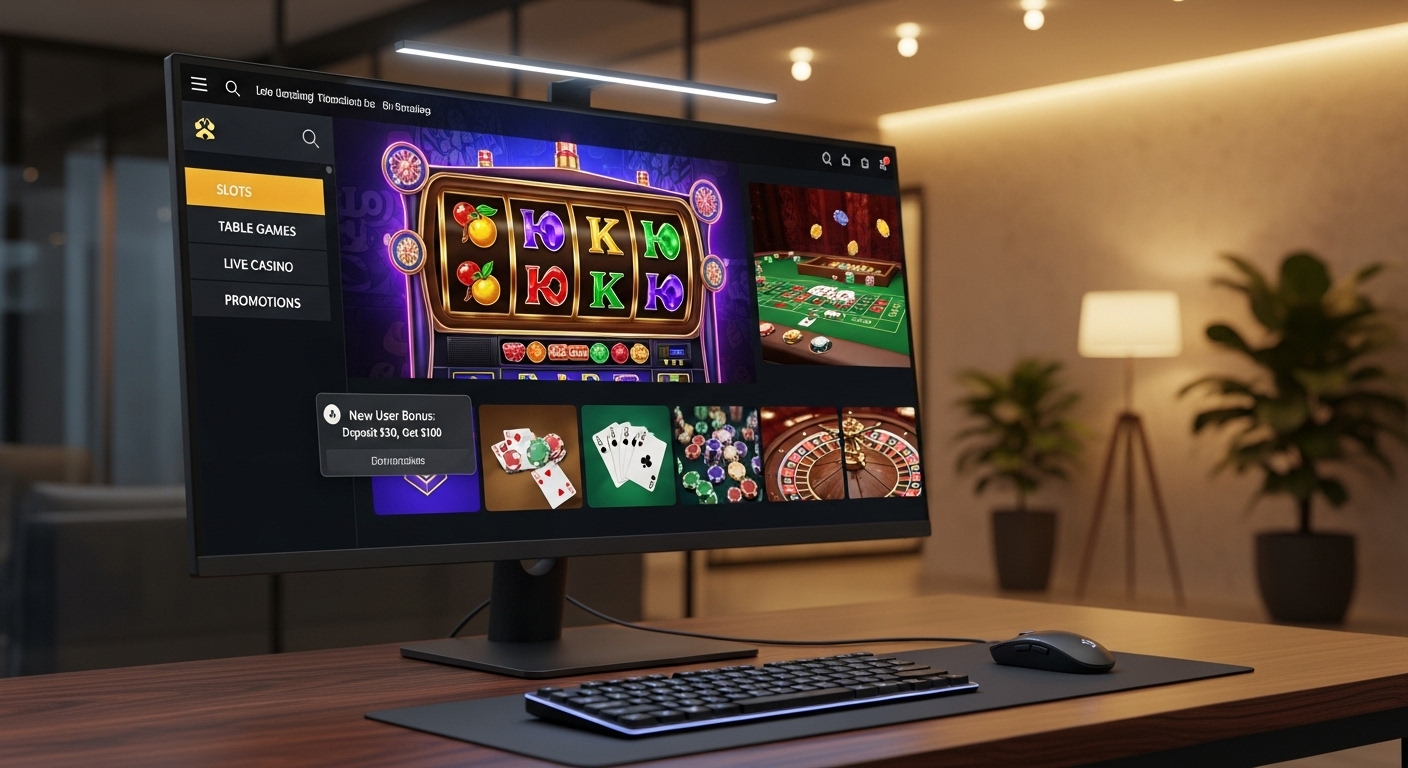

The world of iGaming has grown exponentially over the last two decades, transforming from simple online card games to a vast, immersive digital entertainment ecosystem. With millions of players globally, iGaming now includes online casinos, sports betting, poker, lottery games, and innovative live dealer experiences. This article dives deep into the world of iGaming, exploring its evolution, technological advancements, regulatory landscape, and the trends shaping its future.
Understanding iGaming
iGaming, short for “interactive gaming,” refers to gambling activities conducted online. Unlike traditional gambling, which occurs in physical casinos or betting shops, iGaming leverages digital platforms to provide users with seamless access to games and betting opportunities. The convenience of playing from anywhere at any time has fueled the rapid growth of this sector.
The iGaming industry encompasses a wide variety of games and betting options. These include:
- Online Casinos: Offering slot machines, roulette, blackjack, baccarat, and more.
- Sports Betting: Covering popular sports such as football, basketball, horse racing, and even eSports.
- Poker Rooms: Hosting tournaments and cash games for players worldwide.
- Lottery and Bingo: Digital versions of traditional games with instant results.
- Skill-Based Games: Emerging platforms that combine gaming skills with betting.
Each category has its unique appeal, targeting different types of players based on their interests, risk appetite, and engagement style.
The Evolution of iGaming
iGaming’s history dates back to the mid-1990s when the first online casinos were launched. The early platforms were basic, offering limited games with minimal graphics and slow connections. However, the core idea of playing games online and winning real money captured the attention of gamblers globally.
As internet speeds improved and technology advanced, iGaming platforms became more sophisticated. By the early 2000s, secure payment systems allowed safe online deposits and withdrawals, increasing trust in digital gambling. Mobile technology further revolutionized the industry, enabling players to access games anytime, anywhere.
Live dealer casinos, introduced in the 2010s, bridged the gap between physical and digital gambling. Using high-definition video streaming, these platforms allow players to interact with real dealers in real-time, creating an immersive experience similar to land-based casinos.
Technology Driving iGaming
Technology is at the heart of iGaming innovation. Several advancements have reshaped the user experience, making games more engaging, fair, and accessible. Some of the most influential technologies include:
Random Number Generators (RNGs)
RNGs ensure that outcomes in digital games are entirely random, mimicking the unpredictability of physical games. This technology builds trust among players by ensuring fairness and transparency.
Mobile Gaming
With smartphones becoming ubiquitous, mobile gaming has become a major driver of iGaming growth. Developers optimize games for smaller screens while maintaining quality graphics and smooth gameplay. Mobile apps also provide push notifications, personalized bonuses, and easy payment methods.
Blockchain and Cryptocurrencies
Blockchain technology has introduced a new level of transparency and security to iGaming. Cryptocurrencies like Bitcoin and Ethereum allow fast, anonymous, and secure transactions. Some platforms even use smart contracts to automate payouts, further reducing the risk of manipulation.
Virtual Reality (VR) and Augmented Reality (AR)
VR and AR are revolutionizing player immersion. Virtual casinos allow players to walk around digital floors, interact with other players, and play games in realistic environments. AR overlays provide interactive experiences, blending digital content with the real world.
Artificial Intelligence (AI)
AI helps personalize the iGaming experience. From recommending games to detecting problem gambling behavior, AI enhances both user engagement and responsible gaming initiatives. Chatbots powered by AI also improve customer support, providing instant assistance 24/7.
Popular iGaming Games
iGaming offers a diverse range of games to suit every player type. Understanding the most popular categories helps illustrate why the industry continues to thrive.
Online Slots
Online slots remain the most popular casino game due to their simplicity, variety, and entertainment value. Modern slots feature storylines, bonus rounds, free spins, and interactive elements. Some progressive jackpot slots offer life-changing payouts, attracting millions of players worldwide.
Table Games
Classic table games like blackjack, roulette, baccarat, and poker have digital versions with advanced graphics and realistic mechanics. Many online casinos also offer live dealer versions, adding a social element to the games.
Sports Betting
Sports betting has evolved from casual pools and physical betting shops to complex online platforms offering live betting, prop bets, and virtual sports. The rise of mobile apps and instant odds has made sports betting faster, more exciting, and accessible to a global audience.
Poker
Online poker platforms host cash games, sit-and-go tournaments, and multi-table tournaments. The ability to play against opponents worldwide has increased competition and skill development. Some platforms even offer poker training, strategies, and analytics tools.
Bingo and Lottery
Bingo and lottery games have been adapted to online platforms, providing instant results and interactive gameplay. Digital features such as chat rooms and multiplayer options make these traditional games more engaging for younger audiences.
Regulatory Environment
Regulation plays a critical role in shaping the iGaming industry. Governments worldwide have adopted different approaches, from strict licensing to more liberal frameworks.
- Europe: Countries like the United Kingdom, Malta, and Gibraltar have robust regulatory frameworks. The UK Gambling Commission ensures player protection, fair play, and responsible gambling.
- North America: The United States and Canada have a mixed regulatory landscape. Some states, like New Jersey and Pennsylvania, allow licensed online gambling, while others restrict or ban it.
- Asia: Regulation varies widely, with some countries banning online gambling entirely and others creating limited licensing systems.
- Emerging Markets: Latin America and Africa are seeing rapid growth, often with developing regulatory frameworks to manage new opportunities.
Compliance with licensing requirements, responsible gambling policies, and anti-money laundering regulations is essential for operators. These measures ensure player safety and industry sustainability.
Responsible Gaming
While iGaming provides entertainment, it also carries the risk of addiction and financial loss. Responsible gaming initiatives aim to protect players and promote healthy gambling habits.
Common strategies include:
- Deposit Limits: Allowing players to set daily, weekly, or monthly spending caps.
- Time Limits: Restricting session lengths to prevent excessive play.
- Self-Exclusion: Giving players the option to take a temporary or permanent break from gambling.
- Behavior Monitoring: Using AI to detect risky patterns and intervene early.
- Educational Resources: Providing information on responsible gambling, signs of addiction, and where to seek help.
Operators that prioritize responsible gaming often see increased trust, loyalty, and long-term success.
Marketing and Player Engagement
Marketing in iGaming is highly competitive, requiring innovative strategies to attract and retain players. Some effective techniques include:
- Bonuses and Promotions: Welcome bonuses, free spins, and loyalty programs incentivize new sign-ups and ongoing play.
- Gamification: Leaderboards, achievements, and missions make games more interactive and rewarding.
- Personalization: AI-driven recommendations and tailored offers enhance player engagement.
- Social Media Integration: Platforms like Twitch, YouTube, and Instagram promote games, tournaments, and influencer partnerships.
- Live Events and Tournaments: Online poker tournaments, eSports betting competitions, and interactive casino events create excitement and community.
Challenges Facing the iGaming Industry
Despite rapid growth, iGaming faces several challenges:
- Regulatory Complexity: Navigating multiple jurisdictions can be complicated and costly.
- Cybersecurity Threats: Protecting player data and funds is critical to maintaining trust.
- Competition: With thousands of operators, differentiation and retention are key.
- Problem Gambling: Addressing addiction and negative social impacts remains a priority.
- Technological Costs: Implementing VR, blockchain, and AI solutions can be expensive.
Operators that adapt, innovate, and prioritize compliance and player protection are more likely to thrive in this competitive environment.
Future Trends in iGaming
The future of iGaming is bright, with technology and player demand driving continual innovation. Key trends include:
Expansion of Mobile and Cloud Gaming
Mobile-first design and cloud-based platforms will continue to dominate. Cloud gaming allows players to access high-quality games without high-end hardware, expanding reach globally.
Integration of Virtual and Augmented Reality
VR casinos and AR-enhanced experiences will offer more immersive and interactive gameplay, attracting tech-savvy players seeking realism and social interaction.
Increased Use of Artificial Intelligence
AI will drive personalization, predictive analytics, fraud detection, and responsible gaming measures, creating a safer and more engaging experience.
Cryptocurrency Adoption
More platforms will accept digital currencies, enabling faster, anonymous, and cross-border transactions. Blockchain-based games may also introduce provably fair mechanics and decentralized gambling ecosystems.
Social and Skill-Based Gaming
The line between traditional gaming and gambling is blurring. Social casino games, competitive skill-based platforms, and eSports betting will continue to grow, appealing to a younger demographic.
Conclusion
iGaming has evolved from a niche online pastime to a global entertainment phenomenon. Driven by technology, regulation, and consumer demand, the industry offers diverse gaming options, immersive experiences, and opportunities for growth. While challenges such as cybersecurity, regulatory complexity, and problem gambling persist, the sector’s commitment to innovation and responsible gaming ensures a dynamic and sustainable future.
As iGaming continues to integrate cutting-edge technologies like VR, AI, and blockchain, players can expect even more engaging, personalized, and secure experiences. Whether you are a casual gamer, a high-stakes bettor, or an eSports enthusiast, the world of iGaming promises excitement, entertainment, and endless opportunities.