Introduction
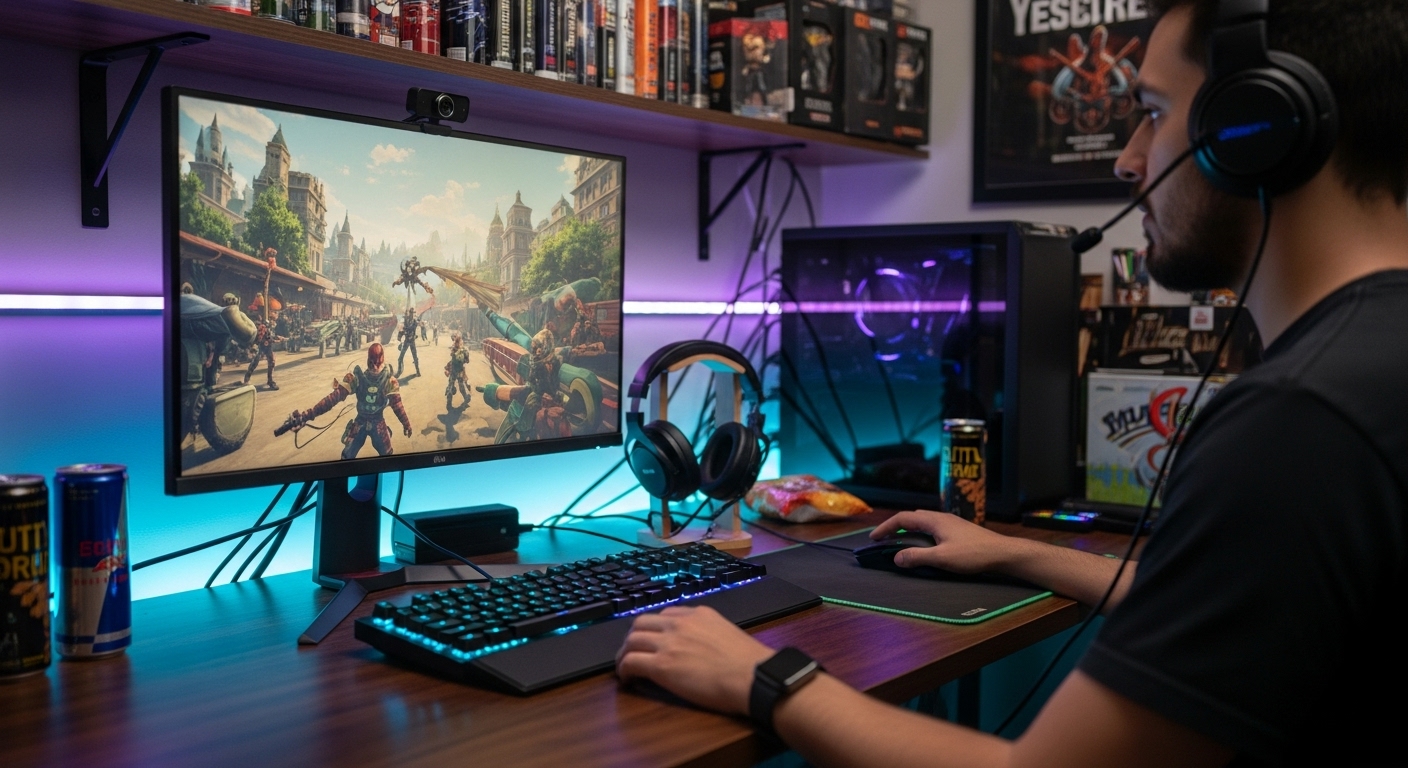
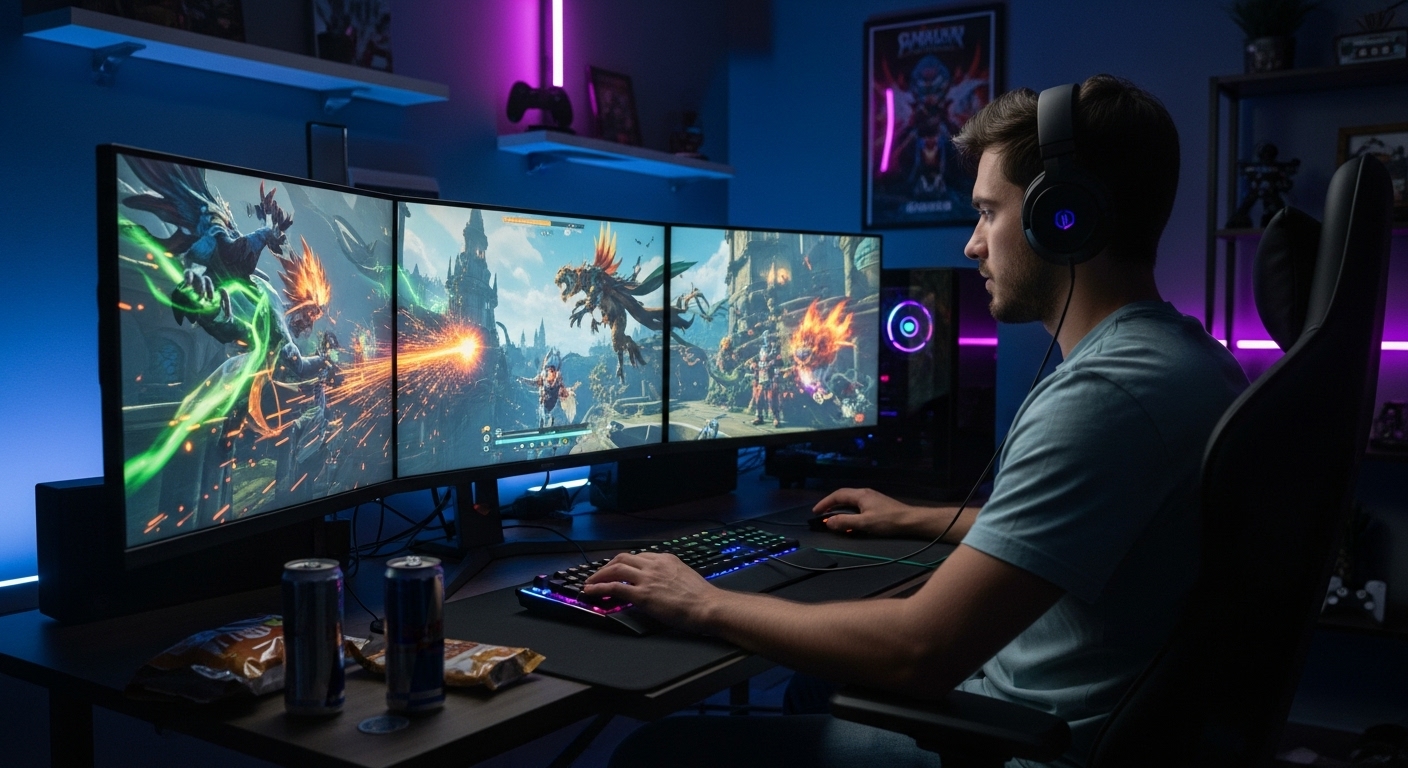
In the past two decades, the world of video games has undergone a massive transformation. What was once seen as a casual pastime or a simple hobby has now evolved into one of the most dynamic, lucrative, and influential industries on the planet—esports. Esports, short for electronic sports, involves organized competitive gaming, often between professional players or teams, across various video game titles. While many still perceive it as just playing games, esports represents far more than that. It is a cultural movement, a career path, a business empire, and even a source of community and inspiration for millions around the world.
This blog will explore in depth why esports is more than just gaming, diving into its social, economic, educational, and cultural impacts. It’s a world built on passion, competition, and innovation, and its influence extends far beyond the screen.
The Evolution of Esports
To understand why esports has become such a global phenomenon, we need to look at how it evolved. In the 1980s and 1990s, competitive gaming began modestly with arcade tournaments and local competitions. Games like Street Fighter, Quake, and StarCraft helped shape early gaming rivalries. However, the true rise of esports began with the growth of the internet and live streaming platforms in the 2000s.
By the 2010s, esports had exploded into mainstream consciousness. Games like League of Legends, Dota 2, Counter-Strike: Global Offensive, and Fortnite began drawing millions of viewers online and filling entire stadiums with cheering fans. Major tournaments offered multi-million-dollar prize pools, while players became celebrities with massive fan bases.
This evolution demonstrates one critical point—esports is not just gaming anymore; it is a spectator sport, much like football or basketball. It requires skill, training, strategy, and teamwork, and it entertains millions worldwide.
The Business of Esports
Esports has developed into a thriving industry worth billions of dollars. It’s no longer a niche subculture; it’s a serious business ecosystem that involves sponsors, broadcasters, tech companies, and event organizers. According to market analysts, the global esports industry is expected to continue growing rapidly, with revenues coming from sponsorships, media rights, merchandise, and ticket sales.
Top-tier organizations such as Team Liquid, Fnatic, and T1 operate like professional sports teams, complete with coaches, analysts, and marketing departments. Players sign contracts, receive salaries, and participate in intensive training schedules.
Streaming platforms and broadcasting deals have also played a major role. Esports tournaments are watched by millions of people around the globe, rivaling the audience numbers of traditional sporting events. Major brands—ranging from tech giants to soft drink companies—are heavily investing in esports marketing because it gives them direct access to younger, tech-savvy audiences.
The economic ecosystem built around esports—complete with events, merchandise, endorsements, and content creation—shows how it has transcended gaming to become a global entertainment powerhouse.
Esports as a Legitimate Career
Once upon a time, telling someone that you wanted to become a professional gamer might have been met with laughter. Today, it’s a valid and respected career choice. Professional esports players train as hard as traditional athletes. They spend countless hours practicing, strategizing, and analyzing opponents. Many of them have coaches who focus on both gameplay and mental resilience.
Esports careers are not limited to players alone. The industry has opened opportunities for casters, analysts, content creators, event organizers, marketers, and game developers. Universities and colleges are even offering esports management degrees and scholarships to attract young talent.
Just like any professional sport, esports provides structured pathways for growth. A talented gamer might begin by playing casually, join amateur tournaments, gain recognition, and eventually be scouted by professional teams. The opportunity to turn a passion into a profession is one of the main reasons esports has become so influential globally.
The Global Community and Cultural Impact
Esports has united people across borders, languages, and backgrounds. In online gaming communities and tournaments, players from all over the world compete and collaborate. This creates an incredible sense of connection that transcends geography.
Unlike traditional sports, which are often region-specific, esports is truly global. A fan in South Korea can cheer for a team based in Europe, while an American player might compete against opponents from Brazil or China in the same tournament. The shared love of gaming has created a new kind of global culture—one that celebrates digital creativity, competition, and camaraderie.
Additionally, esports has influenced fashion, music, and media. Many popular streamers and professional gamers have become cultural icons, shaping trends and influencing youth culture. Esports events often feature musical performances, brand collaborations, and interactive fan experiences, blending entertainment and technology in unique ways.
This fusion of culture and community proves that esports is not just gaming; it’s a cultural revolution that has reshaped how young generations interact with entertainment and each other.
The Educational Benefits of Esports
One of the lesser-known aspects of esports is its educational value. While critics often argue that gaming distracts students, many educators are now realizing the opposite—esports can enhance a variety of skills crucial for modern learning.
Players develop strategic thinking, problem-solving, communication, and teamwork through competitive play. Esports requires quick decision-making, adaptability, and mental endurance, all of which are valuable traits in academic and professional settings.
Many schools and universities have integrated esports programs into their curricula. These programs not only encourage students to pursue their passion but also teach them about digital media, event management, computer science, and business strategy. Esports has become a gateway to STEM (Science, Technology, Engineering, and Mathematics) learning, inspiring students to explore careers in technology and innovation.
Moreover, collegiate esports leagues provide scholarships to talented players, helping them balance academics and competition. For many young people, esports has opened doors to education and opportunities that never existed before.
Esports and Mental Health Awareness
While professional gaming is highly competitive, it has also brought greater awareness to the importance of mental health. Esports players face enormous pressure to perform at peak levels, often under the eyes of millions of spectators. This pressure has led to conversations about burnout, anxiety, and the need for better mental health support in the gaming community.
Many teams now employ psychologists and wellness coaches to help players maintain emotional balance and mental focus. This focus on mental health has spread throughout the gaming community, encouraging both professionals and fans to prioritize self-care.
In addition, gaming communities can serve as emotional support networks. Online friendships often form through shared experiences, and for many individuals, these virtual connections offer a sense of belonging that might be missing in real life. When managed properly, esports can actually promote mental wellness by providing social connection, motivation, and self-confidence.
Esports as a Catalyst for Technological Innovation
Esports has also been a driving force behind technological advancements. High-performance gaming hardware, improved streaming technology, and virtual production tools have all evolved thanks to the demands of the esports industry.
Companies constantly innovate to meet the needs of professional gamers and audiences. High-refresh-rate monitors, advanced graphics cards, and ergonomic gaming peripherals are all examples of products that were developed or popularized through esports.
Virtual reality and augmented reality are also beginning to enter the scene, offering immersive experiences for both players and spectators. The rise of cloud gaming and mobile esports has made competitive gaming more accessible than ever, allowing anyone with a smartphone or computer to participate.
Esports has thus become a technology incubator, pushing the boundaries of what digital entertainment can achieve. It influences not just gaming but also industries like broadcasting, software engineering, and artificial intelligence.
Building Soft Skills and Teamwork
Another powerful reason why esports is more than just gaming lies in the development of soft skills. Contrary to the stereotype of isolated gamers, successful esports players are excellent communicators and collaborators.
Team-based games such as League of Legends, Valorant, and Overwatch require constant communication, role coordination, and trust among teammates. Players must think strategically, give and receive feedback, and remain calm under pressure. These experiences mirror real-world work environments, making esports an effective platform for developing interpersonal and leadership skills.
Furthermore, esports fosters discipline, time management, and perseverance. Professional players train for hours every day, analyze their mistakes, and continuously strive for improvement. These habits translate into personal growth and professional maturity that extend far beyond gaming.
The Role of Esports in the Future of Entertainment
As technology continues to advance, esports is at the forefront of redefining entertainment. Traditional sports are already collaborating with esports organizations to attract younger audiences. Television networks, production companies, and film studios are exploring gaming-themed content to tap into this growing demographic.
Esports offers a level of interactivity and engagement that traditional entertainment can’t match. Fans can not only watch matches but also interact with players on live streams, join online communities, and even participate in fan tournaments. This participatory model represents the future of entertainment—a two-way relationship between creator and audience.
The fusion of esports with virtual concerts, digital fashion, and online experiences hints at a new era where entertainment, technology, and creativity coexist seamlessly.
Esports as a Tool for Social Change
Beyond business and entertainment, esports is also being used as a tool for social impact. Organizations around the world are leveraging gaming to promote inclusivity, diversity, and charity.
Esports has provided opportunities for individuals from underrepresented backgrounds to shine on global stages. Women’s leagues, accessibility programs for gamers with disabilities, and charity tournaments all demonstrate how esports can create positive change.
Moreover, gaming serves as a universal language that bridges cultural and generational divides. In regions where traditional sports may be limited, esports provides a platform for young people to express themselves and connect with others. It empowers communities, fosters digital literacy, and encourages creativity.
This ability to inspire and unite people shows that esports is not just entertainment—it is a social force capable of driving progress.
The Challenges Ahead
Despite its growth, esports faces challenges that must be addressed for it to reach its full potential. Issues such as player burnout, lack of regulation, gender inequality, and cheating continue to affect the industry.
Professional players often retire young due to intense training demands. The absence of standardized contracts and player unions can lead to exploitation in some regions. Additionally, online toxicity and harassment remain problems within gaming communities, discouraging many from participating.
However, the industry is aware of these challenges and is taking steps to address them through better player management, diversity initiatives, and stricter competitive guidelines. Overcoming these issues will be crucial for esports to maintain its reputation as a legitimate and sustainable industry.
Conclusion
Esports is far more than just gaming. It’s a movement that combines competition, technology, culture, and community. It has reshaped entertainment, created new career paths, inspired education, and brought people together across the globe. What began as a hobby has evolved into a global industry that rivals traditional sports in both popularity and influence.
The world of esports represents the power of passion and innovation. It challenges stereotypes, builds communities, and opens doors to endless opportunities. Whether you’re a player, a fan, or simply an observer, there’s no denying that esports has changed the way we view digital entertainment forever.